Introduction
As we move further into 2026, the furniture and interior design industry is experiencing a profound transformation. The shift toward sustainability is no longer a niche market preference—it has become a defining movement reshaping how we think about our living spaces. Homeowners, designers, and manufacturers are increasingly prioritizing eco-friendly materials, ethical production methods, and designs that promote both personal well-being and environmental responsibility.
This comprehensive guide explores the most impactful sustainable furniture trends of 2026, providing you with actionable insights to make more conscious choices for your home. Whether you're renovating your entire living space or simply looking to upgrade a few key pieces, understanding these trends will help you create a home that's both beautiful and environmentally responsible.
1. The Rise of Recycled and Upcycled Materials
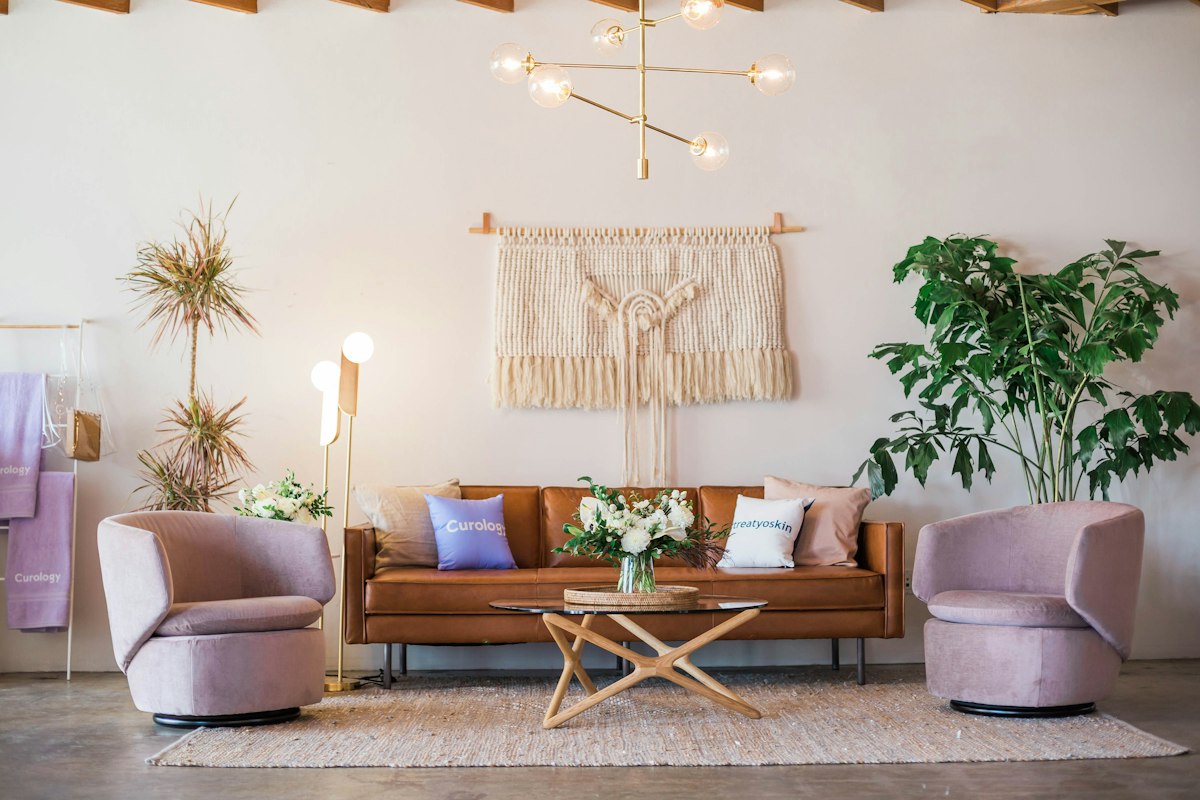
One of the most exciting developments in sustainable furniture design is the creative use of recycled and upcycled materials. Designers are finding innovative ways to transform everyday objects into stunning functional pieces, reducing waste while creating unique aesthetic statements.
From furniture crafted from reclaimed wood and recycled plastics to pieces made from industrial byproducts like compressed bamboo and recycled metal, the options are expanding rapidly. These materials often require less energy to process than virgin materials, significantly reducing their carbon footprint.
What makes this trend particularly compelling is the character these materials bring to modern interiors. Reclaimed wood, for example, carries natural imperfections and unique grain patterns that add warmth and authenticity to any space. Each piece tells a story—not just of its creation, but of its previous life.
2. Biophilic Design: Bringing Nature Indoors
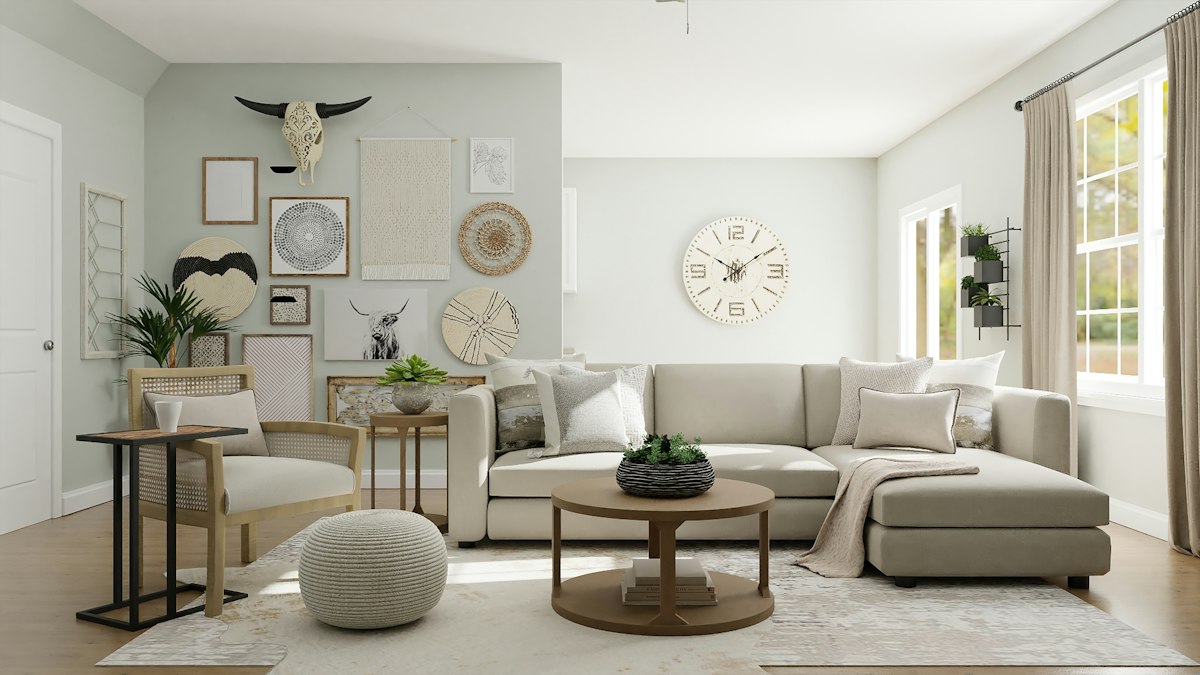
Biophilic design—the practice of incorporating natural elements into built environments—has become a cornerstone of sustainable interior design in 2026. This approach recognizes our innate connection to nature and leverages it to create spaces that promote health, well-being, and environmental consciousness.
Furniture designers are responding to this trend by creating pieces that incorporate natural materials like solid wood, bamboo, rattan, and organic textiles. The emphasis is on materials that are sustainably sourced, biodegradable, and free from harmful chemicals that can compromise indoor air quality.
Beyond materials, biophilic design also influences form and shape. Furniture pieces featuring organic curves, natural textures, and earth-toned color palettes help create a seamless connection between indoor spaces and the natural world outside. This holistic approach extends to how furniture is arranged, encouraging flow and visibility to natural light sources.
3. Modular and Multifunctional Furniture for Flexible Living
As living spaces become smaller and more versatile, the demand for modular and multifunctional furniture has skyrocketed. This trend aligns perfectly with sustainability goals, as modular pieces can be reconfigured, repurposed, or expanded rather than replaced when needs change.
2026 has seen an explosion of innovative modular designs—from sofa systems that can be rearranged to fit different spaces to storage solutions that adapt to changing organizational needs. These pieces are designed with longevity in mind, using high-quality materials and construction methods that withstand repeated reconfiguration.
The environmental benefit of modular design extends beyond the product itself. By reducing the need for multiple single-purpose furniture pieces, consumers can minimize their overall consumption. A well-designed modular system can serve a home for decades, reducing the frequency of replacements and the associated environmental impact.
4. Zero-Waste Manufacturing and Circular Design Principles
The furniture industry is embracing circular design principles, aiming to eliminate waste throughout the entire product lifecycle. Zero-waste manufacturing processes ensure that materials are fully utilized, with leftover scraps either recycled into new products or repurposed in creative ways.
This approach extends to how furniture is designed for end-of-life. Manufacturers are increasingly creating pieces that can be easily disassembled, with components that can be recycled or biodegradably disposed of. Some companies have implemented take-back programs, ensuring their products don't end up in landfills but are instead professionally recycled or refurbished.
For consumers, this means greater transparency about the environmental impact of their purchases and the peace of mind that comes with knowing their furniture won't contribute to environmental waste when it eventually reaches the end of its useful life.
5. Smart Sustainability: Technology Meets Eco-Conscious Design
The integration of smart technology with sustainable furniture design represents an emerging trend that's gaining significant traction in 2026. From energy-efficient LED lighting integrated into furniture pieces to sensors that monitor and improve indoor air quality, technology is enhancing the sustainability of our living spaces.
Smart furniture that optimizes energy usage—such as desks with built-in power management systems or beds with climate control—helps reduce overall household energy consumption. These innovations appeal to environmentally conscious consumers who want to minimize their carbon footprint without sacrificing modern conveniences.
Additionally, technology is enabling better sourcing transparency. QR codes and blockchain technology allow consumers to trace the origin of their furniture, verifying that materials were sustainably sourced and manufactured under ethical conditions.
Practical Takeaways for Sustainable Furniture Shopping
- Research materials: Look for furniture made from sustainably sourced wood, recycled materials, or rapidly renewable resources like bamboo.
- Check certifications: Seek out furniture with environmental certifications such as FSC (Forest Stewardship Council) or GREENGUARD for low emissions.
- Consider longevity: Invest in well-constructed pieces designed to last for decades rather than trend-driven items with shorter lifespans.
- Embrace multifunctionality: Choose pieces that serve multiple purposes to reduce the total number of items needed in your home.
- Ask about end-of-life: Choose manufacturers who offer recycling programs or take-back options for their products.
- Prioritize quality: Well-made furniture from durable materials often represents a more sustainable choice than cheaper alternatives that need frequent replacement.
Featured Products from Vektaya
At Vektaya, we're committed to offering furniture that combines contemporary design with sustainable craftsmanship. Here are some of our most popular pieces that exemplify quality and eco-conscious design:
1. 10-Drawer LED Mirror Vanity Desk - Vektaya
Price: $499.99

2. 107" L-Shaped Modular Sectional Sofa with Chaise, Beige - Vektaya
Price: $579.99

3. 11-Drawer LED Mirror Vanity Desk - Vektaya
Price: $599.99

Conclusion: Embrace Sustainable Living
The furniture trends of 2026 reflect a growing recognition that our living spaces should support both our well-being and the health of our planet. By choosing sustainable furniture, you're not just investing in quality pieces for your home—you're contributing to a more responsible furniture industry and a healthier environment.
Whether you're drawn to the warmth of reclaimed wood, the innovative use of recycled materials, or the flexibility of modular design, there has never been a better time to make conscious choices about the furniture in your home. Start small if needed—a single well-chosen piece can make a meaningful difference.
Ready to explore our collection of thoughtfully designed furniture? Visit Vektaya today and discover pieces that combine style, sustainability, and exceptional craftsmanship. Your dream home—and a healthier planet—start with informed choices.