Trend researched and written on July 02, 2026. Current signals include Apartment Therapy's coverage of cork as a texture material, Architectural Digest's focus on bolster pillows, Dezeen's reporting on softer seating, and recent lookbooks emphasizing book-filled, character-rich homes.
Introduction: The New Luxury Is Something You Can Feel
For the past several years, interiors have been moving away from the overly smooth, showroom-perfect room. The most current direction in furniture, interior design, and home renovation is more human: tactile comfort. It is not one material, one color, or one Instagram-ready object. It is a broader shift toward homes that feel grounded when you touch them, flexible when you live in them, and personal when guests walk through the door. The trend is showing up in several places at once. Design editors are spotlighting cork as a warm, renewable texture. Bolster pillows are returning as a soft architectural detail. Furniture brands and hospitality designers are talking about gentler seating profiles, rounded edges, and forms that invite lingering rather than perching. At the same time, homeowners are still demanding storage, charging, durability, and multi-use rooms because real life did not become less busy just because interiors became prettier.
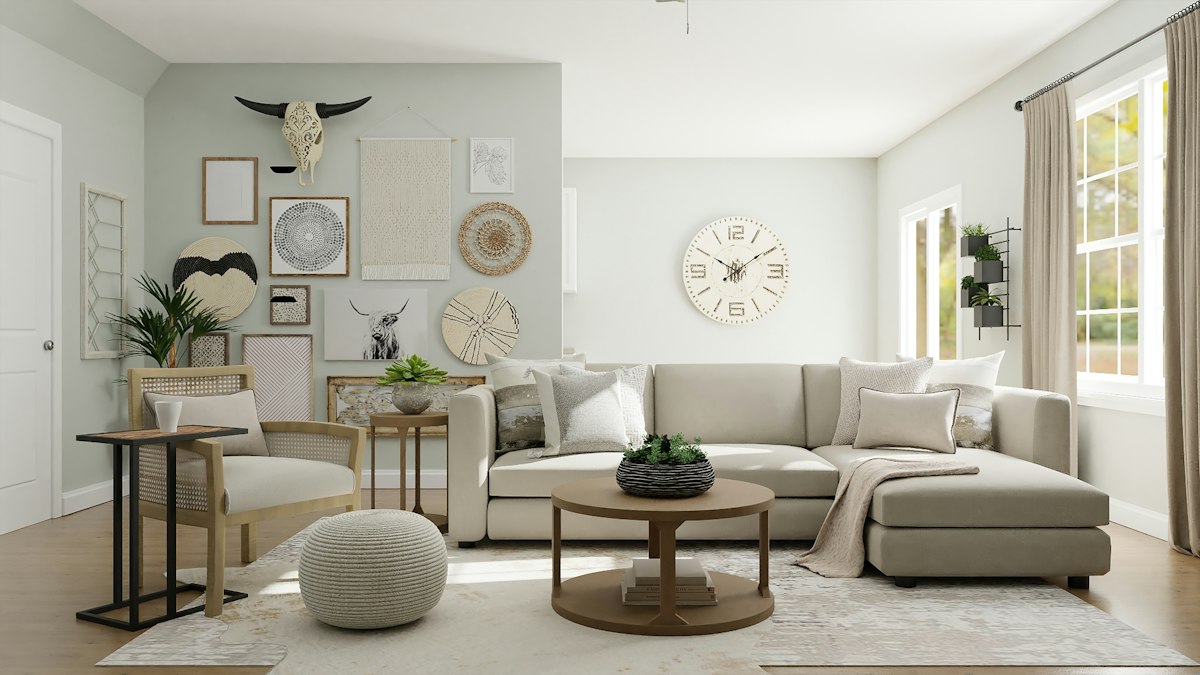
What makes tactile comfort especially relevant right now is that it works for both major renovations and small weekend updates. A homeowner can bring it into a living room with a curved sectional, a rattan cabinet, a wool rug, or a cork accent wall. A renter can use pillows, textured lampshades, open bookshelves, and warm wood side tables. A family renovating a kitchen can choose matte surfaces, fluted panels, and pantry storage that looks crafted rather than purely utilitarian. The common thread is a return to touch, warmth, and emotional usefulness. The room should not simply look finished; it should make people want to sit down, read, host, stretch out, and stay.
1. Why Cork, Rattan, Fluting, and Warm Wood Are Back
Texture is the easiest way to understand the trend. Smooth white boxes are giving way to materials with visible grain, pattern, or softness: cork, rattan, woven cane, ribbed wood, fluted panels, boucle, linen, and matte stone. Cork is getting fresh attention because it sits at the intersection of sustainability and sensory design. It is renewable, lightweight, acoustically useful, and visually warm. Unlike a glossy accent material, cork absorbs light and creates a quieter surface. In a home office, it can soften sound. In a kitchen nook, it can add warmth without making the room feel rustic. In a bedroom, it can make a wall or pinboard feel intentional rather than improvised.
Rattan and cane are following a similar path. They are no longer reserved for beach houses or vintage sunrooms. Used carefully, woven surfaces create a breathable layer in rooms that otherwise rely on flat painted drywall, large televisions, and smooth cabinetry. A rattan TV stand, a cane-front sideboard, or a woven drawer detail breaks up the hard rectangle of modern storage. Fluting is another important detail because it gives flat furniture a rhythm. A fluted nightstand or cabinet catches light differently throughout the day, which makes even neutral furniture feel dimensional.
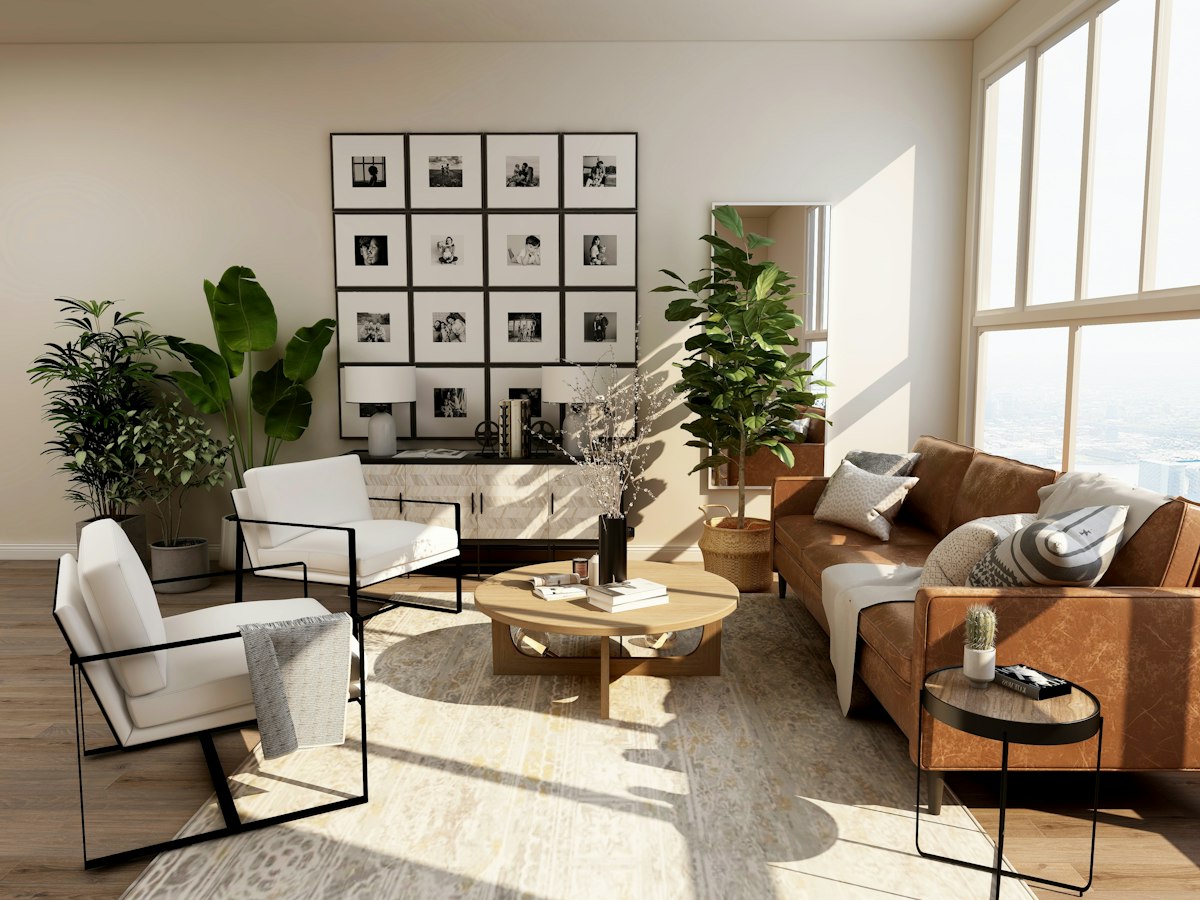
Warm wood is the stabilizer. Pale oak, walnut, caramel finishes, and wood-look laminates are being used to make contemporary rooms feel less cold. The key is not to match every wood tone perfectly. In fact, a room often feels richer when the woods are related but not identical. A walnut media cabinet can live happily with an oak nightstand or a light wood desk if the palette is held together by neutral upholstery and repeated hardware finishes. The result is a home that feels collected rather than ordered from one catalog page.
For renovation planning, this means designers and homeowners should think in layers. Start with the largest permanent surfaces, then decide where texture can do the most work. If the floor is already wood, bring in cork through a bulletin wall, chair, tray, or acoustic panel. If cabinets are flat, choose fluted fronts for one feature piece. If the sofa is simple, add a woven side table or a chunky fabric pillow. Tactile comfort is not about filling the room with every natural material at once. It is about making sure the eye and the hand have places to land.
2. Seating Is Getting Softer, Lower, and More Inviting
One of the strongest furniture signals this week is the move toward a softer approach to seating. The language is showing up in contract furniture, hospitality interiors, and residential living rooms. Designers are favoring rounded arms, deeper seats, modular pieces, and cushion details that make a room feel less formal. This does not mean every sofa needs to be oversized. It means the silhouette should look approachable. A slightly rounded sectional, a chaise, a generous accent chair, or even a bench with a bolster can change the emotional temperature of a room.
Bolster pillows are a perfect example because they are both decorative and structural. They create a line that feels tailored, but they also support the body. A cylindrical pillow at the end of a sofa, on a daybed, or across a bed can make a simple piece feel designed. It adds softness without clutter. The reason this matters is that many homes now carry multiple functions in one space. A living room may be a lounge, movie room, homework zone, and guest area. Seating has to support all of that without looking like office furniture migrated into the house.
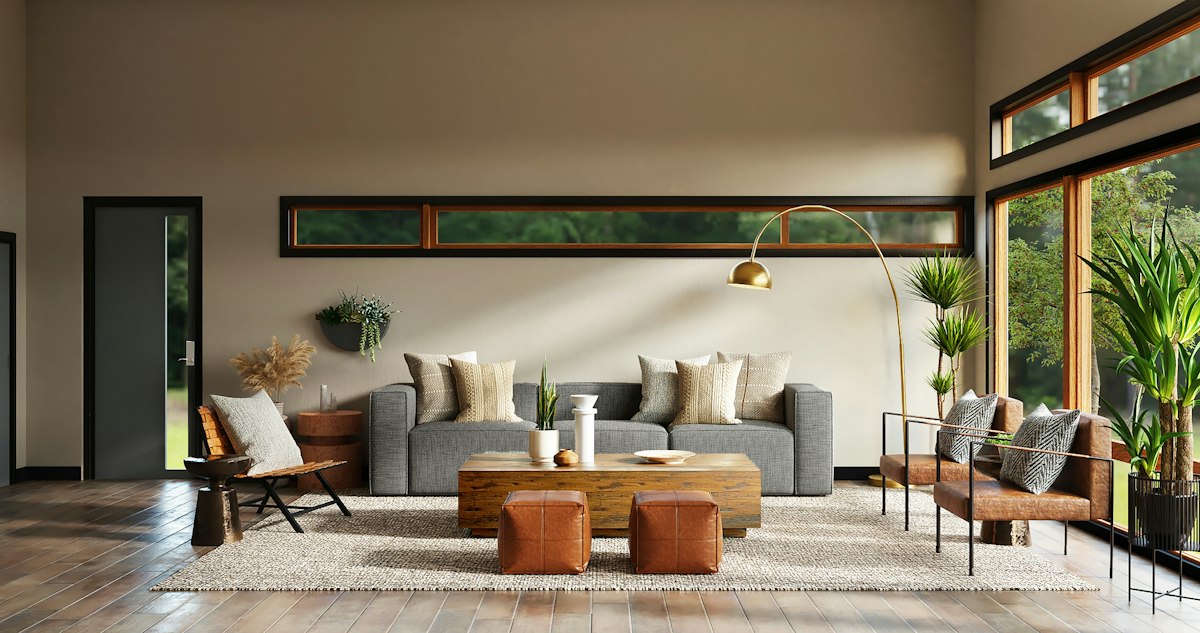
Curves also matter. The last decade of flat-pack minimalism trained many rooms into strict rectangles: square sofa, rectangular coffee table, rectangular rug, rectangular TV, rectangular shelving. Tactile comfort breaks that grid. A curved sofa, rounded ottoman, oval table, arched lamp, or circular tray can soften the geometry without making the room feel trendy. If a homeowner is not ready to buy a curved sofa, the same idea can be introduced through accessories. A round pillow, a scalloped mirror, a domed lamp, or a soft-edged side table can be enough to shift the space.
When choosing seating for this trend, prioritize three details. First, look at depth. A sofa with enough depth for relaxed lounging will feel more current than a narrow, upright piece. Second, look at fabric. Textured neutrals, linen-look weaves, soft chenille, and performance fabrics with a hand-feel are more useful than glossy, slippery materials. Third, look at modularity. A chaise or sectional can adapt to hosting, family movie nights, and afternoon naps. The best seating in 2026 is not precious; it is comfortable, flexible, and ready to be used.
3. The Character-Rich Room Beats the Perfect Room
Another reason tactile comfort is trending is the backlash against sterile perfection. Recent interior lookbooks have celebrated book-filled rooms, lived-in shelving, layered objects, and homes that reveal the personality of the people inside. The phrase may change from one publication to another, but the impulse is consistent: people want homes with evidence of life. Books, art, records, travel objects, pottery, heirlooms, and useful everyday pieces are becoming part of the design language rather than items to hide before a photo is taken.
This is not an excuse for clutter. The best character-rich rooms still have structure. They use storage to create permission for display. A cabinet with closed doors can hide the cords, games, remotes, and overflow while the top surface holds a lamp, books, a bowl, or a plant. A nightstand with drawers can hide chargers and skincare while leaving room for a tactile lamp and one good book. A pantry cabinet can keep kitchen overflow from spreading across the counters. In other words, concealed storage supports visible personality.
For homeowners renovating on a budget, this is good news. You do not need to replace every item to make a room feel current. You can edit what is visible, upgrade one storage piece, and then style the room with objects that already mean something. A living room with a comfortable sofa, a natural-texture media cabinet, and a few shelves of books will often feel more sophisticated than a room filled with anonymous decorative objects. The goal is not more stuff. The goal is better context for the stuff worth keeping.
Color works the same way. Tactile comfort favors warm neutrals, mushroom, oatmeal, clay, caramel, olive, deep brown, muted blue, and soft black. These tones do not shout, but they give texture room to show up. A white wall can still work if the furniture has texture. A dark wall can work if the room has enough natural materials to keep it from feeling heavy. The palette should feel slow and livable rather than staged for a single photo.
4. Renovation Takeaways: Design for Touch, Storage, and Daily Rituals
The most practical way to apply this trend is to design around daily rituals. Where do you drop your keys? Where do guests put drinks? Where do blankets live? Where does a laptop charge? Where do books pile up? Where does the room need quiet? Tactile comfort succeeds when it answers those questions beautifully. A textured cabinet is only useful if it actually stores what the household needs. A soft sectional only works if it fits the room and circulation path. A fluted nightstand is more than a detail if it also hides cables and supports nighttime routines.
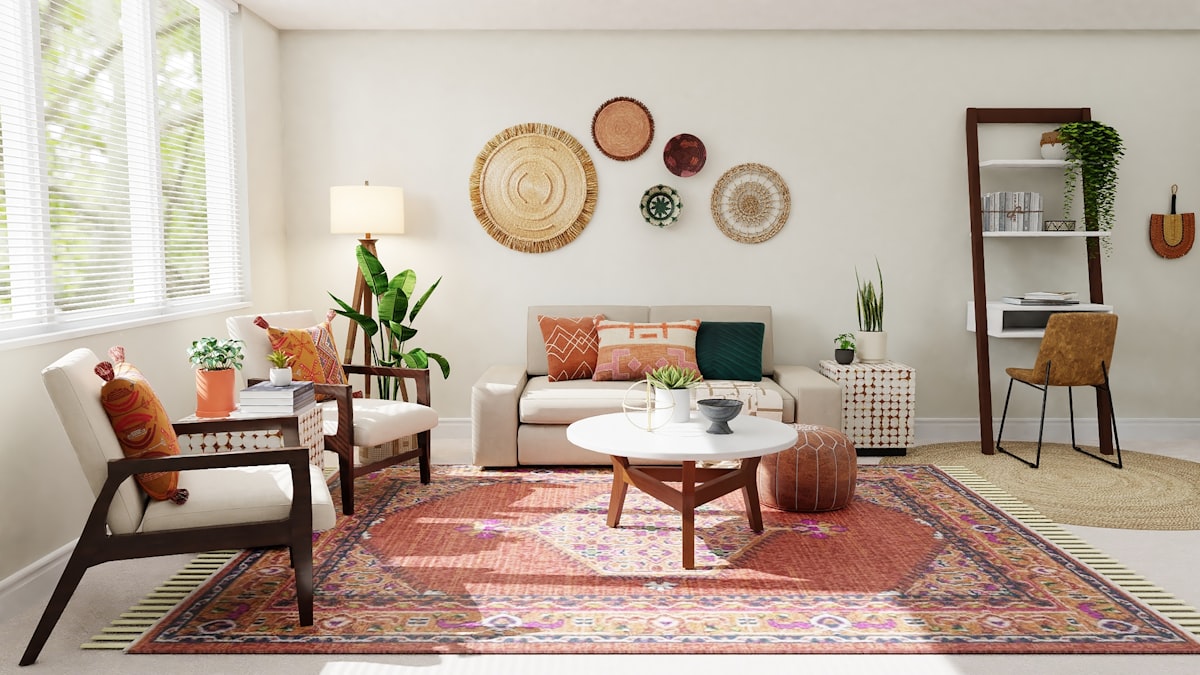
Start with one anchor piece per room. In the living room, that might be a sectional sofa or media cabinet. In the bedroom, it might be a storage bed, nightstand, or vanity desk. In the dining area, it might be a sideboard or pantry cabinet. Once the anchor is in place, add one or two tactile layers: a woven shade, a cork board, a nubby throw, a curved pillow, or a warm-toned lamp. This keeps the trend from becoming visually noisy.
For larger renovations, consider how materials feel under changing light. Matte finishes are more forgiving than high gloss. Fluted or ribbed details cast shadows that make a simple room feel designed. Wood tones should be tested against flooring, not chosen from a screen alone. If sustainability matters, ask about renewable materials, low-VOC finishes, durable construction, and whether the piece is likely to be useful for years. The most sustainable furniture is often the piece that does not need to be replaced when the trend cycle moves on.
Finally, do not overlook outdoor and transitional spaces. Small patios, entryways, and guest corners can use the same principles: soft seating, warm texture, useful storage, and lighting that makes people want to linger. Summer entertaining is not only about buying outdoor furniture. It is about making the path from indoors to outdoors feel relaxed and intentional.
Practical Takeaways
- Add one touchable material first. Try cork, rattan, fluted wood, boucle, linen, or a woven texture before changing the whole room.
- Choose softer silhouettes. Rounded arms, chaise seating, bolsters, and curved accessories make a room feel more welcoming.
- Use storage as a design tool. Closed cabinets and drawers allow meaningful objects to stay visible without everyday clutter taking over.
- Mix warm neutrals with character. Oatmeal, clay, walnut, caramel, olive, and soft black give texture depth without overwhelming the space.
- Think in rituals. Select furniture around reading, lounging, charging devices, hosting guests, and winding down at night.
Featured Products for the Tactile-Comfort Look
These Vektaya pieces were selected from active Shopify products because they support the trend in practical ways: comfortable lounging, natural texture, fluted detail, storage, and everyday functionality.

107" L-Shaped Modular Sectional Sofa with Chaise, Beige - Vektaya
$299.99
A generous modular sofa gives the tactile-comfort trend a practical anchor: soft proportions, flexible lounging, and an easy foundation for layered pillows and throws.

61.5" Rattan TV Stand for TVs up to 65", 4-Door, Walnut - Vektaya
$239.99
A rattan TV stand brings natural texture into the living room without a full renovation, balancing media storage with a warmer, more crafted look.

23" Fluted LED Nightstand with Charging Station, Drawers, Oak - Vektaya
$199.99
A fluted nightstand adds the vertical texture designers keep returning to, while built-in charging keeps the bedroom calm rather than cable-cluttered.
Conclusion: Make the Room Feel Like It Belongs to You
Tactile comfort is not a passing micro-trend because it answers a real need. People want homes that calm the nervous system, support daily routines, and still feel expressive. Cork, rattan, fluting, soft seating, warm wood, and character-rich styling are simply the tools. The deeper idea is to design rooms that invite contact: sit here, read here, host here, rest here, live here. If your home feels too flat, too cold, or too staged, start with one touchable anchor and build from there.
Explore Vektaya's furniture collection to find storage, seating, bedroom, and living room pieces that bring warmth and function into the same space.
Research Notes
- https://www.apartmenttherapy.com/designers-are-using-cork-to-add-texture-37561375
- https://www.architecturaldigest.com/story/jeff-goldblum-bolster-pillows
- https://www.dezeen.com/2026/06/29/keilhauer-yabu-pushelberg-detail-softer-approach-to-contract-seating/
- https://www.dezeen.com/2026/06/27/homes-bookmaxxed-interiors-lookbooks/
- https://www.homesandgardens.com/gardens/outdoor-living/small-outdoor-terrace-entertaining-spaces
0 comments