The End of the Beige Box: Why 2026 Home Design Is Finally Getting Interesting
For roughly a decade, the dominant philosophy in home interiors could be summed up in two words: clean and neutral. White walls. Gray sofas. Minimalist everything. The aesthetic was popular, practical, and profoundly impersonal. Open any major furniture retailer's catalog between 2015 and 2023 and you would have found yourself staring at the same warm grays, the same slab-like sofas, the same anonymous surfaces that were designed to appeal to absolutely everyone — and therefore truly resonated with no one.
That era is ending. In its place, 2026 is ushering in something far more interesting: homes that feel like they have a point of view.
The furniture industry, long criticized for chasing the lowest common denominator, is finally catching up to what homeowners actually want: spaces that feel lived in, personal, warm, and rooted in a sense of authenticity. The result is one of the most exciting paradigm shifts in interior design in recent memory — and it has major implications for how you furnish, decorate, and think about your home.
1. The Rise of the Modern Heritage Aesthetic
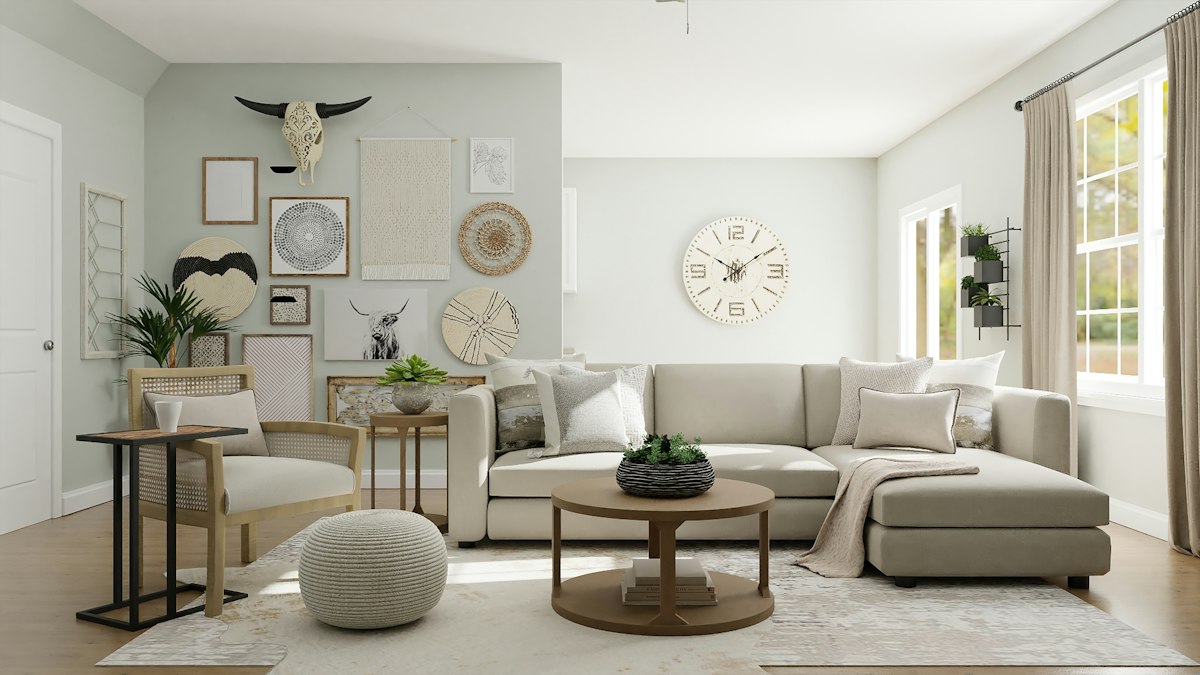
One of the defining trends of 2026 is what designers are calling Modern Heritage — an approach that marries contemporary sensibilities with a deep respect for craftsmanship, authenticity, and the kind of warmth that only comes from furniture with a story to tell.
The Modern Heritage movement rejects the sterile perfection of mid-2010s minimalism in favor of layered, textured, and deeply personal interiors. Think aged wood surfaces alongside sleek metal accents. Think vintage-inspired silhouettes rendered in contemporary materials. Think rooms that feel like they have accumulated character over time rather than being fully designed in a single afternoon.
Central to this trend is a renewed appreciation for furniture that shows its work — joinery details, visible textures, organic imperfections that speak to the human hand behind the creation. This is a direct counterpoint to the robotically smooth surfaces of mass-produced flat-pack furniture that dominated the previous decade.
The implications for shoppers are significant. Rather than buying a sofa because it matches your existing gray tones, the question is shifting to: does this piece have presence? Does it contribute something to the room beyond filling space? Furniture is increasingly being chosen the way art is chosen — for what it adds to a space emotionally, not just functionally.
2. Earthy Color Palettes Are Replacing the Gray Revolution
If there is one visual signal that captures the 2026 shift more than any other, it is color. Specifically, the departure from the cool grays and stark whites that have dominated home interiors for over a decade.
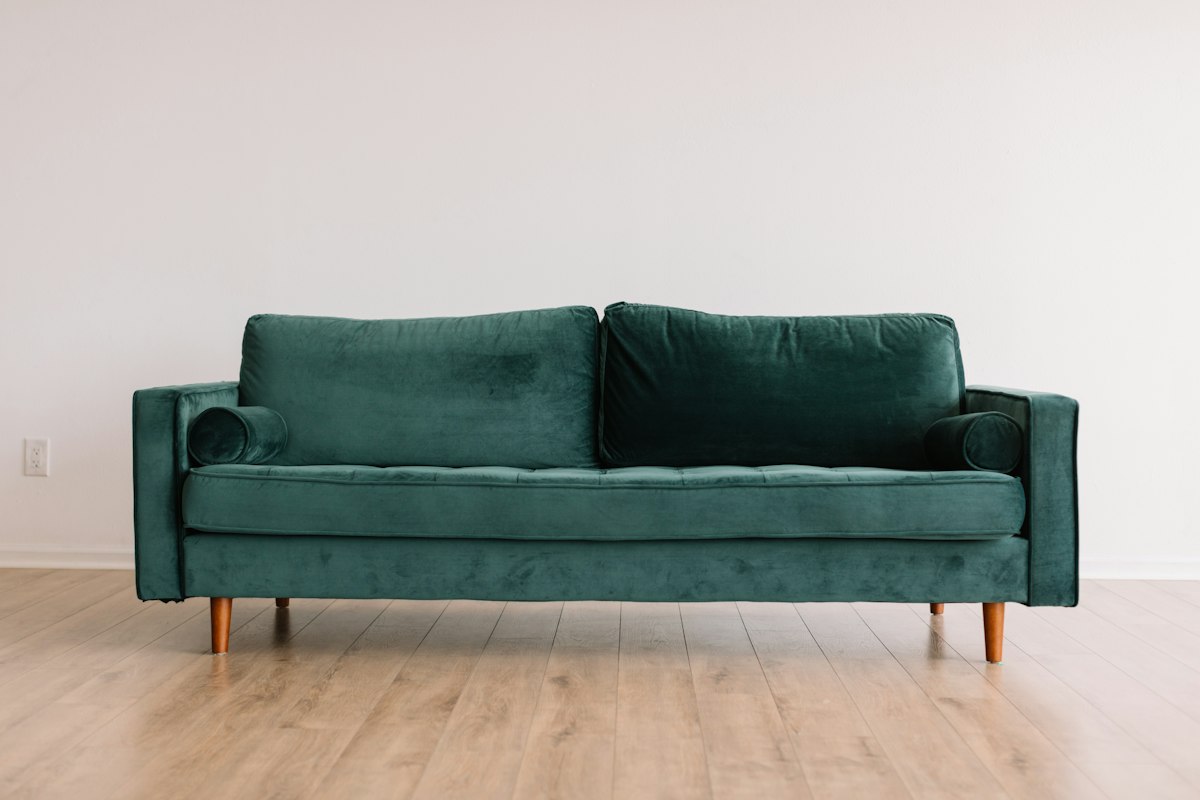
The new palette is warm, grounded, and deeply connected to the natural world. Expect to see olive and fir greens, rich browns, warm ochres, terracotta, deep plums, and muddy blues taking center stage in living rooms, bedrooms, and kitchens across the country. These are colors that feel rooted — colors that make a room feel inhabited rather than merely occupied.
One particularly impactful technique gaining traction in 2026 is color drenching — the practice of painting walls, trim, ceilings, and even furniture in a single saturated hue. Far from feeling overwhelming, color-drenched rooms create an extraordinary sense of intimacy and cohesion. A bedroom painted floor-to-ceiling in a deep forest green, for example, becomes a sanctuary rather than just a room.
Alongside the earthy tones, nostalgic '80s colors are staging a sophisticated comeback. Teal, warm plaster pink, dusty mauve, and soft sage are appearing in upholstery, accent furniture, and decorative accessories — but styled for a modern sensibility that keeps them from feeling kitschy. The key is in the pairing: these retro hues are being mixed with natural materials like oak, linen, and rattan to ground them in something timeless.
3. Sculptural Furniture: Comfort Meets Art
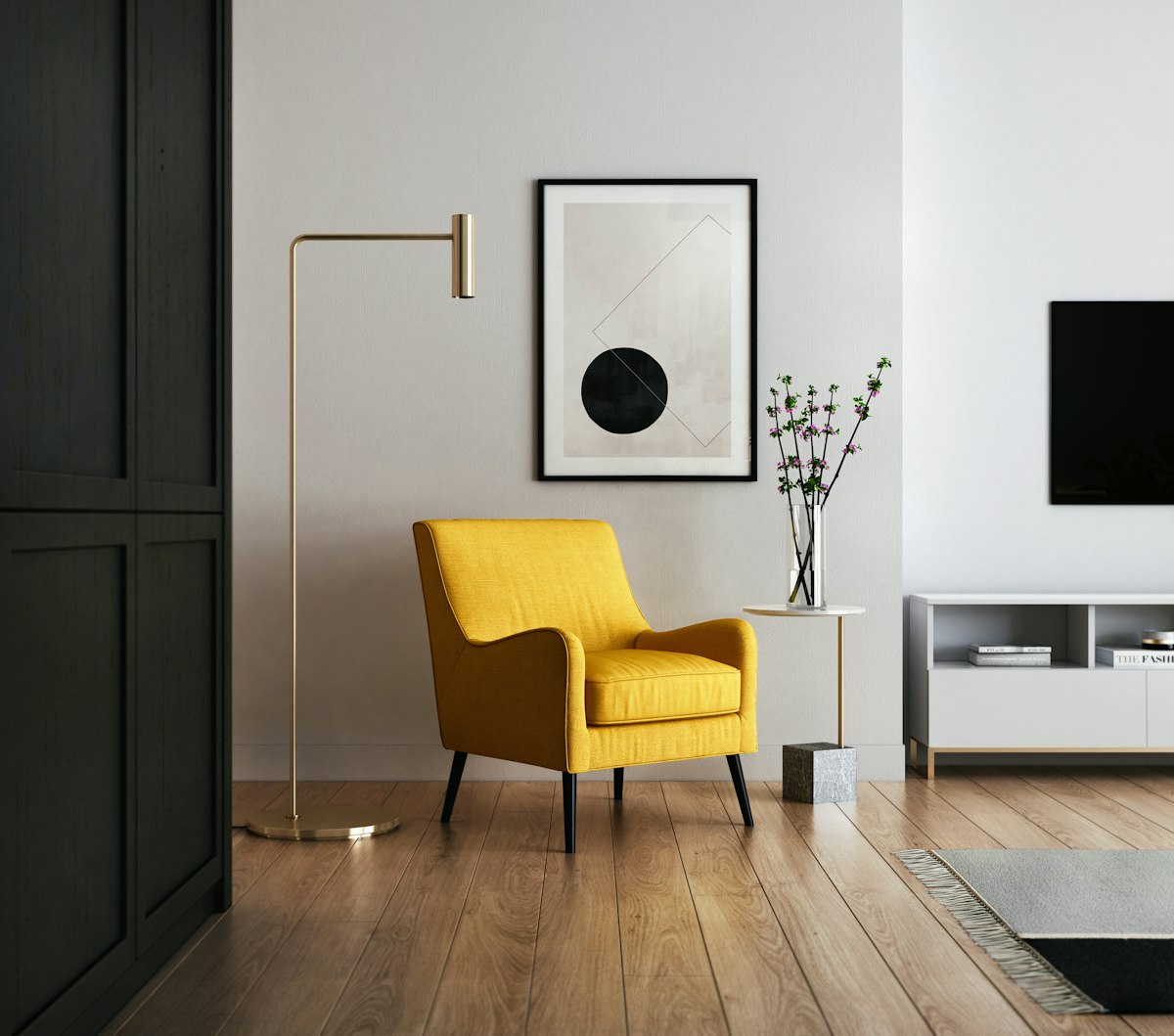
One of the most visually striking furniture trends of 2026 is the embrace of sculptural and organic forms. Where the minimalist era favored boxy, low-profile silhouettes with clean lines, the new direction leans into curved edges, rounded forms, and pieces that carry visual interest from every angle.
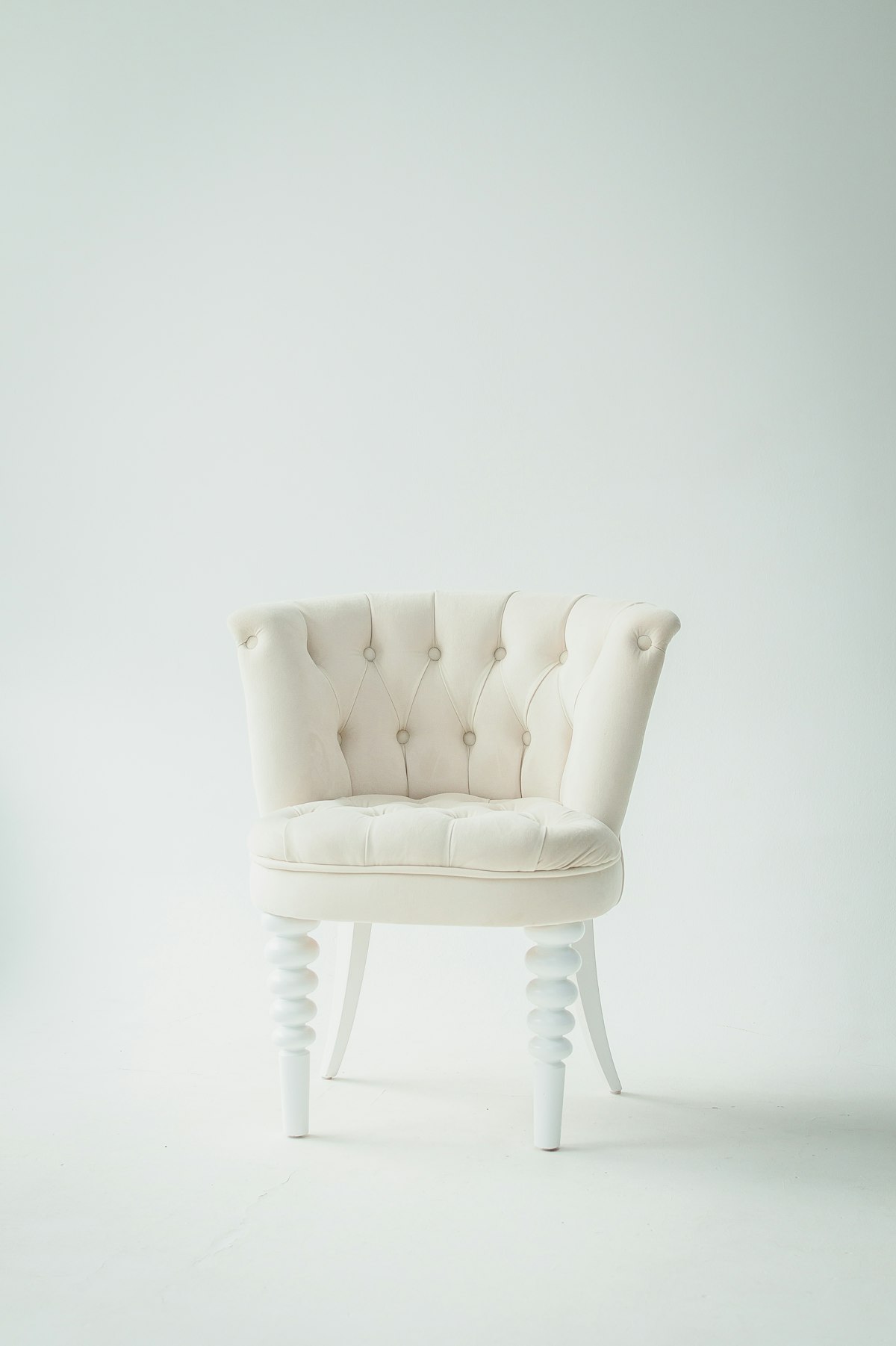
Curved sofas — pieces with enveloping backs, generous proportions, and fluid outlines — are rapidly replacing their angular predecessors as the focal point of living rooms. These are sofas designed to be looked at and sunk into. The deep seating, enveloping silhouettes, and touchable materials like velvet, bouclé, and performance linen communicate one thing clearly: comfort is no longer something you apologize for.
Beyond sofas, sculptural forms are appearing in side tables, lighting, shelving, and accent chairs. A curved marble side table. A sculptural oak bench with an undulating profile. A floor lamp with an unexpected arc. These pieces function as furniture and art simultaneously, adding movement and personality to spaces in ways that purely functional furniture never could.
What is interesting from a consumer perspective is how this trend intersects with the Modern Heritage movement. The most compelling sculptural pieces are not merely decorative — they tend to feature visible craftsmanship, honest material expression, and construction methods that reward closer inspection. Form and substance are finally aligned.
4. The Death of the Matching Furniture Set
For generations, the furniture industry sold a promise of easy harmony: buy a bedroom set, buy a dining set, and everything would match. The result was rooms that were coordinated but characterless — spaces where every wooden surface was the same tone, every chair the same finish, every surface chosen by committee rather than curated with intention.
2026 is finally burying that idea. The new interior philosophy embraces mixed wood tones as a core design principle, and the results are rooms with dramatically more visual depth and interest.
Mixing wood tones means pairing a walnut dining table with oak dining chairs. It means allowing a cherry wood sideboard to sit alongside a maple bed frame. It means accepting — even celebrating — the natural variation in color and grain that exists between different wood species and different finishes. The result is an interior that feels collected over time rather than purchased all at once from a single catalog.
This trend dovetails naturally with the broader Modern Heritage movement, since one of the defining characteristics of heritage interiors is the layering of pieces from different eras and sources. A room with mixed wood tones feels like it has been thoughtfully assembled by someone with genuine taste, not generated by an algorithm optimizing for mass appeal.
5. Wellness-Integrated Design: Your Home as a Sanctuary
Perhaps the most quietly revolutionary trend in 2026 home design is the integration of wellness principles into the structure and furnishing of living spaces. This is not about adding a yoga corner or an essential oil diffuser — it is a more fundamental rethinking of how homes support the physical and mental wellbeing of their inhabitants.
In practice, this manifests in several ways. Primary bathrooms are being transformed into spa-like retreats with calming material palettes — think warm stone, natural teak, matte black fixtures, and diffused lighting. Bedrooms are being designed with greater intentionality around sleep quality: blackout-friendly window treatments, temperature-regulating mattresses, and material choices that minimize allergens and off-gassing.
But wellness design goes beyond individual rooms. It is increasingly influencing how entire homes are laid out and furnished. Dedicated quiet zones for rest and meditation. Improved natural light through strategic furniture placement. Thoughtful lighting design that shifts with the time of day. Improved air quality through the use of natural materials and living plants integrated into furniture and decor.
For furniture shoppers, this trend means paying closer attention to the materials your furniture is made from, not just its appearance. Furniture made from solid wood, natural fabrics, and low-VOC finishes contributes to better indoor air quality and a healthier living environment. Pieces with built-in USB charging, ergonomic considerations, and adaptable configurations reflect the reality that our homes need to work harder for us than ever before.
Practical Takeaways for Your Home in 2026
The design trends emerging in 2026 are exciting — but what does it actually mean to apply them in your own home? Here are the most actionable insights from this year's most significant movements:
Start with what you already own
You do not need to replace everything to embrace Modern Heritage. Audit your existing furniture with fresh eyes. Can a vintage piece from a family member find a new role? Can a well-built older sofa be reupholstered in a rich, earthy fabric rather than replaced? The most compelling interiors layer the new with the inherited.
Commit to one bold color move
If the idea of painting your entire room in a single saturated hue feels too aggressive, start smaller: one accent wall, one large piece of furniture in a deep tone, or one set of curtains in a rich natural dye. Once you see how the color transforms the room's mood, you will likely find the courage to go further.
Mix your wood tones deliberately
Pick two or three wood tones that share a warmth — a honey oak, a dark walnut, a light maple — and let them coexist in the same room. The key is ensuring the pieces have enough visual distinction from one another that the mixing feels intentional rather than accidental.
Invest in pieces that earn their space
Sculptural furniture costs more than box-store alternatives — but pieces with genuine design integrity hold their value, age better, and bring more to a room. Before every furniture purchase, ask: does this piece have presence? Does it do something visually or functionally that nothing else in my home is doing?
Design for how you actually live
Wellness-integrated design starts with honesty about how you use your space. If you work from home, your desk setup is a wellness decision. If you struggle to sleep, your bedroom furniture and lighting choices are wellness decisions. Let the functional needs of your daily life guide your furniture choices as much as aesthetics.
Featured Products for Your 2026 Home
Ready to bring the 2026 design philosophy into your home? Here are three standout pieces that embody the year's key trends — from sculptural comfort to wellness-integrated design.


Make Your Home Uniquely Yours in 2026
The furniture and design trends of 2026 share a common thread that goes deeper than color palettes or silhouette preferences. They are, at their core, a collective rejection of the idea that our homes should look like everyone else's. They argue — persuasively — for interiors with genuine character, rooted in craft, warmth, and the authentic expression of the people who live in them.
Whether you are furnishing a new space from scratch or rethinking a room that has felt flat for years, 2026 offers a richer vocabulary of design choices than the previous decade ever did. Sculptural forms. Earthy palettes. Mixed wood tones. Wellness-first material choices. These are not passing fads — they represent a fundamental recalibration of what we expect from our living spaces.
The question is no longer whether your home is on-trend. The question is whether it tells your story. Browse our curated collection of furniture designed with exactly that principle in mind — pieces that bring presence, warmth, and personality to every room they enter.
0 comments