Some trends flare up because they look fresh on social media. Others stick because they answer a real shift in how people want to live. In spring 2026, the most meaningful movement across furniture, interior design, and home renovation is the rise of the wellness room: a space, or cluster of spaces, intentionally designed to help people slow down, recharge, and feel better at home.
That idea is showing up everywhere. Design trend roundups for 2026 increasingly point to warmer palettes, softer silhouettes, richer textures, biophilic details, spa-like bathrooms, and more thoughtful storage. Remodeling coverage is also leaning toward kitchens and baths that feel restorative rather than purely utilitarian. Even flooring and furniture discussions are circling the same core message: homeowners want comfort, calm, and emotional durability, not just visual impact.
The wellness room trend is powerful because it is not limited to a single room type. It can mean a bedroom that behaves like a retreat, a vanity corner that makes routines feel easier, a reading nook with better light, a living room planned around decompression, or a bathroom renovation inspired by hospitality and spa design. In practice, it is less about luxury for its own sake and more about creating a home that actively supports better mornings, smoother evenings, and less daily friction.
For furniture shoppers and renovators alike, that makes wellness design one of the most commercially relevant topics of the year. It influences material choice, layout, lighting, storage, color, and purchasing decisions all at once. It is also one of the few trends that translates across price points: a full renovation can lean into it, but so can a single better nightstand, a more organized vanity, or a deeper, more comfortable sofa.
1. Why the wellness room trend is gaining momentum now
Several trend signals are converging at the same time. Spring 2026 interior design reporting has emphasized warm neutrals, tactile surfaces, and a move away from rooms that feel cold, over-styled, or visually noisy. Furniture trend coverage is highlighting curved forms, lounge-forward seating, and pieces that encourage lingering instead of rushing. Renovation coverage, especially around baths and kitchens, is increasingly focused on stress reduction, better daily rituals, and designs that feel restorative.
This matters because homeowners are no longer evaluating rooms only by how they photograph. They are asking how a room behaves at 7 a.m., after a long workday, during a Sunday reset, or in the middle of a chaotic family week. A space that helps routines run better now has measurable value. That is why features such as dimmable lighting, hidden storage, soft-close cabinetry, charging access, natural textures, and deep, supportive seating are becoming part of the same conversation.
There is also a cultural reason behind the trend. The home is still expected to do more than it did a decade ago. It is a place for work, recovery, hosting, entertainment, beauty routines, and private downtime. As a result, people are carving out micro-environments within rooms rather than dedicating square footage to a single rigid purpose. A wellness room may be an entire room in a large home, but in many homes it is simply a clearly defined zone that makes a person feel calmer and more in control.
2. The visual language of wellness rooms: warmth, softness, and sensory comfort
If you want to recognize this trend quickly, look for a few repeating cues. First is color: creamy whites, oat tones, sand, soft mushroom, clay, muted green, walnut, honey oak, and other hues that feel grounded instead of stark. These palettes create immediate visual softness and pair naturally with wood, woven accents, linen, boucle, ribbed glass, fluted fronts, and matte finishes.
Second is form. Wellness-driven interiors are moving away from harsh geometry as the default. Rounded mirrors, curved seating, softened corners, and plush silhouettes help rooms feel more welcoming. This does not mean every piece must be curvy, but it does mean designers are prioritizing shapes that reduce visual tension. Even casegoods are adopting gentler details through fluting, arched profiles, or more refined edge treatments.
Third is layered comfort. Instead of relying on one statement piece, the room earns its mood through accumulation: upholstery with depth, a practical side table, a lamp that casts a warm glow, blackout drapery, tactile rugs, and storage that keeps surfaces open. A wellness room works because there is less visual noise and less functional friction. The best versions feel edited, not empty.
Biophilic design is another important thread. Trend reporting in 2026 continues to point toward a desire for interiors that reconnect people with natural rhythms. That can mean literal plants and daylight, but it also includes wood grain, stone-inspired surfaces, earthy color stories, and layouts that make light and air feel part of the design. In other words, wellness rooms are not just soft; they feel alive.
3. How renovation trends are translating the idea into kitchens, baths, and bedrooms
Wellness design becomes especially visible when you look at renovation decisions. Bathrooms are shifting toward spa-like experiences: warmer woods, less clinical lighting, richer tonal palettes, and storage that hides clutter. Homeowners are favoring practical indulgences such as better mirrors, improved task lighting, more generous vanities, and finishes that feel calm rather than icy. The goal is not simply to upgrade a bathroom, but to make the first and last moments of the day feel smoother.
Kitchens are following a related path. Even when they remain highly functional, designers are softening them with wood tones, concealed storage, organic materials, and integrated seating. The kitchen is increasingly treated as part of the emotional landscape of the home, not a sealed-off workspace. That overlaps directly with furniture choices such as buffets, storage cabinets, and sideboards that reduce clutter while adding warmth.
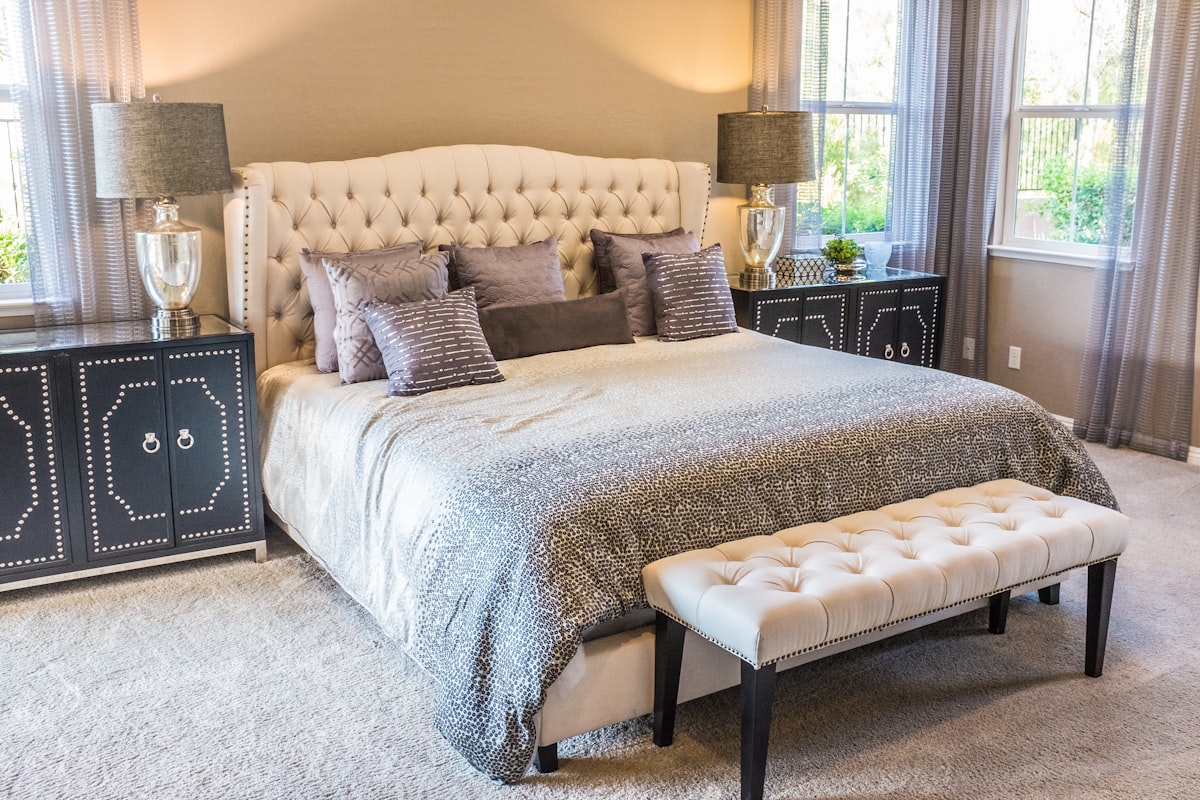
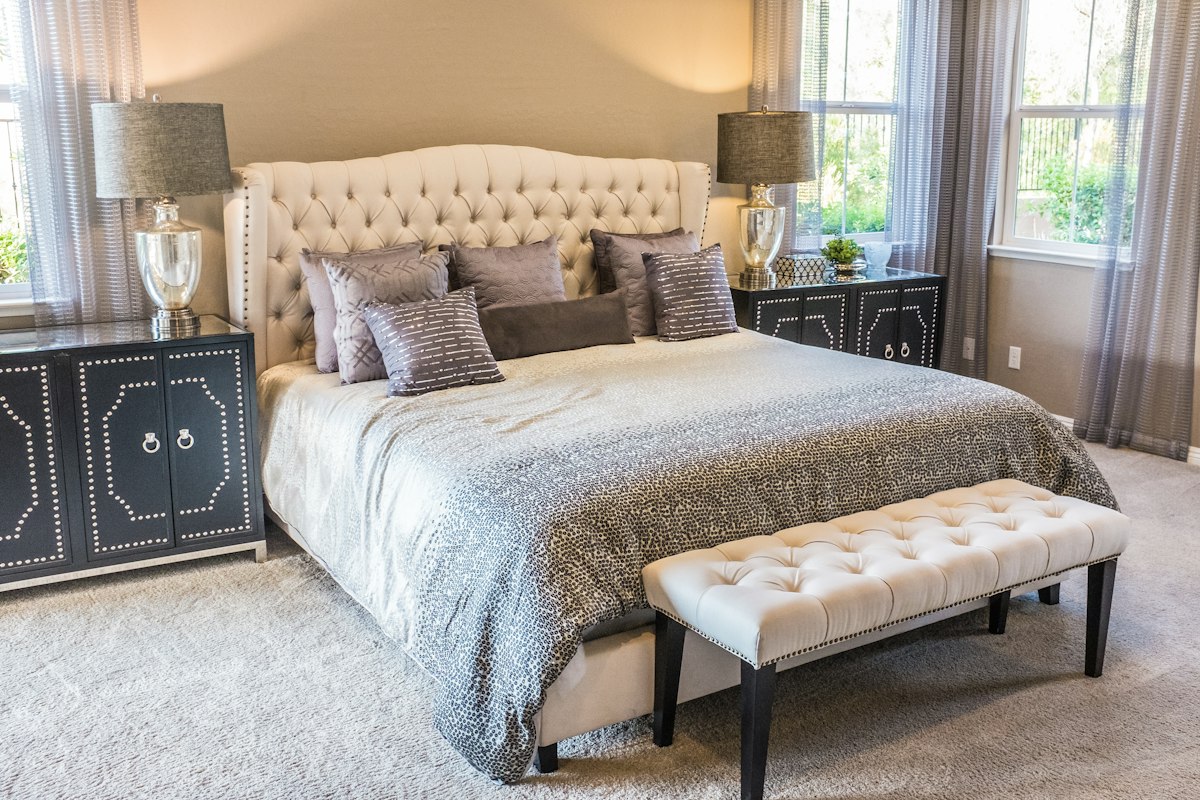
Bedrooms may be the clearest example of the wellness room trend. Instead of being designed around only the bed, more bedrooms now incorporate a personal care station, a charging-ready nightstand, layered light, and better organization. This is one reason vanities and compact storage pieces are becoming more relevant again. When a bedroom supports grooming, skincare, reading, device charging, and decompression without feeling overcrowded, it delivers a noticeably better everyday experience.
Flooring trend coverage for 2026 also reinforces this direction. Toastier wood tones, pattern with restraint, and more character-rich surfaces reflect the same desire for warmth and emotional comfort. The throughline is clear across categories: design is becoming more restorative, tactile, and human-centered.
4. Furniture choices that make the trend practical instead of theoretical
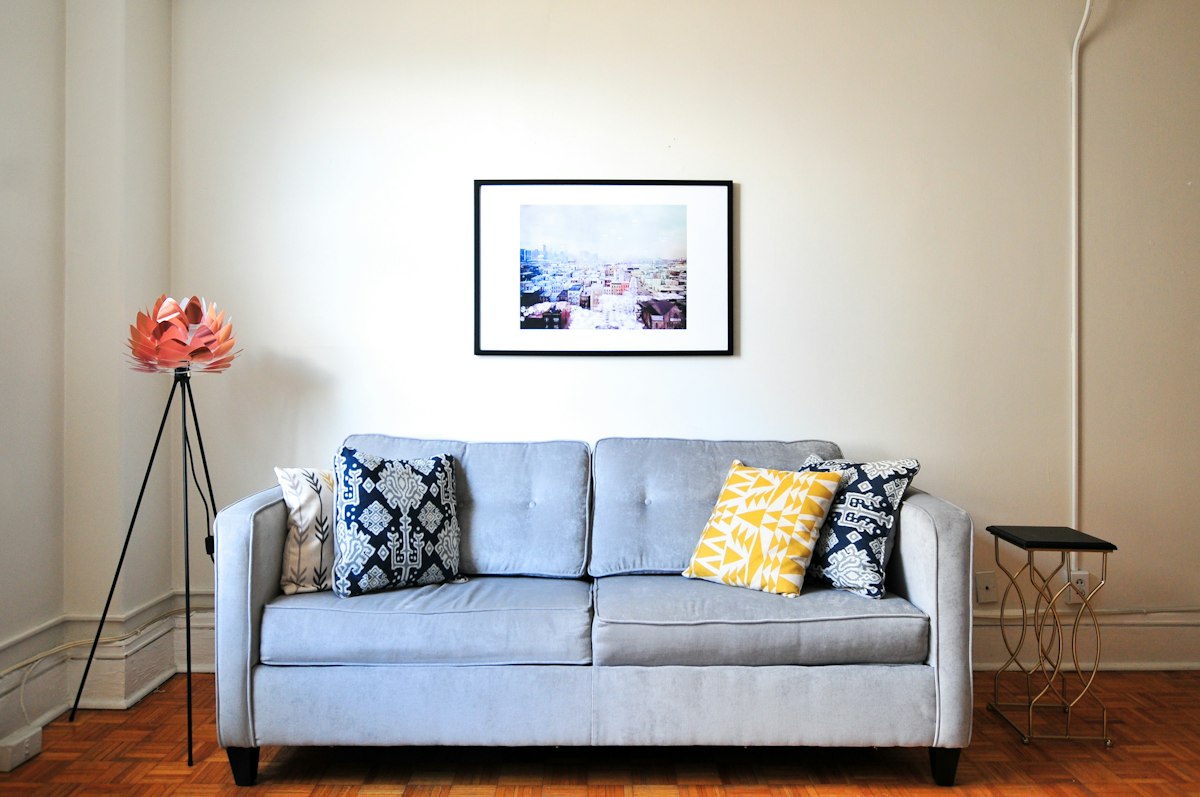
A trend only matters if it changes what people buy. Wellness rooms are influencing furniture selection in very practical ways. Seating is getting deeper and more lounge-friendly because comfort is now a design requirement, not an afterthought. Accent and storage furniture are being judged by how effectively they reduce visual clutter. Lighting-integrated furniture is appealing because it eliminates friction and helps routines feel easier.
This is where good product selection matters. A sofa that invites true relaxation helps define a restorative living room. A nightstand with charging and soft lighting supports sleep hygiene and digital organization better than a purely decorative piece. A vanity with integrated mirror lighting and organized drawers can transform a chaotic getting-ready process into something calmer and more efficient. These are not just furniture upgrades; they are routine upgrades.
Another reason this trend is commercially important is its flexibility. Consumers do not need to redesign the whole house to participate. They can start with one high-impact piece in one high-stress zone. That is often how trends convert into actual purchases. A person may not commit to a full spa-bath renovation today, but they may absolutely buy a better vanity, a more supportive sectional, or a nightstand that solves three daily annoyances at once.
5. How to design a wellness room without making it feel generic
The biggest mistake with wellness-inspired interiors is reducing them to a beige aesthetic. Real wellness design is not about removing personality. It is about removing unnecessary friction. Start by identifying the emotional job of the space. Is it meant to energize mornings, support better sleep, make hosting easier, or provide a transition from work mode to rest mode? That answer should drive the furniture plan.
Then think in layers. Begin with one anchor piece that defines use: a sectional for lounging, a vanity for routines, a pantry or buffet for calmer storage, a nightstand for sleep support. Add lighting next, because mood and usability rise or fall with light quality. Then address organization so surfaces stay clear. Finally, bring in sensory detail through textiles, wood tones, greenery, and a restrained color story.
It is also smart to resist overfilling the room. Wellness rooms feel good partly because they leave enough visual breathing room around the furniture. That does not require minimalism; it requires selectivity. Choose fewer, better-functioning pieces, and give each one a real job.
Practical takeaways
- Use warmth intentionally: Swap cool stark finishes for oak, walnut, creamy whites, clay tones, or muted greens.
- Prioritize comfort in silhouette: Curved or softened forms help rooms feel more inviting and less rigid.
- Layer lighting: Combine ambient, task, and accent lighting so the room works from morning to night.
- Buy for routine improvement: Choose furniture that reduces clutter, supports charging, or organizes daily essentials.
- Create one wellness zone first: A single upgraded corner can deliver more impact than a scattered whole-home refresh.
Featured Products
If you want to bring this trend home in a practical way, these three pieces align especially well with the wellness-room mindset:
1. 107" L-Shaped Modular Sectional Sofa with Chaise, Beige - Vektaya
This oversized sectional is ideal for the comfort-first living room. Its deep, lounge-oriented layout supports the kind of slow evenings and restorative downtime that define wellness-focused interiors.

Shop this sectional — $579.99
2. 23" Fluted LED Nightstand with Charging Station, Drawers, Oak - Vektaya
A nightstand with charging support and soft LED detailing makes bedtime and wake-up routines noticeably easier. The fluted oak look also fits the warm, tactile direction shaping 2026 interiors.

Shop this nightstand — $199.99
3. 14-Drawer Full-Length Mirror Vanity Desk with 10 Shelves, White - Vektaya
For many homeowners, a wellness room starts with smoother personal-care routines. This vanity desk combines storage, mirror function, and strong visual presence, making it a smart anchor for a bedroom retreat or dressing area.

Shop this vanity — $769.99
Conclusion
The reason wellness rooms are becoming one of the defining design stories of 2026 is simple: they reflect how people actually want to feel at home. Warmer materials, better storage, softer forms, layered light, and routine-friendly furniture are not passing gimmicks. They are part of a broader move toward interiors that help daily life run better.
If you are planning a refresh this season, start with the room or routine that carries the most stress and improve that first. A calmer living room, a more organized vanity setup, or a better bedside zone can change the feel of the whole home faster than many large-scale updates. Explore Vektaya’s furniture collection to find pieces that turn the wellness-room trend into something tangible, functional, and beautifully livable.