The Eclectorian Home Trend: How to Renovate With History, Color, and Modern Function
Some design trends arrive as a new neutral paint color or a single sculptural chair. Others arrive because people are tired of living in rooms that could belong to anyone. This summer, the conversation is tilting toward the latter. Apartment Therapy recently described Eclectorian as a playful design direction giving Victorian homes new life, while recent renovation coverage across the design press has also put characterful conversions, bold kitchens, and spaces with a strong sense of place in focus. The useful idea behind the label is larger than one architectural period: keep the personality, edit the clutter, and add the comfort that contemporary life actually requires.
Eclectorian interiors are not museum rooms. They pair inherited-looking details with an intentionally mixed collection of furniture, color, art, and light. A carved doorway can sit beside a low modular sofa. A deep, historic wall color can make a streamlined storage piece look deliberate rather than out of place. The result is layered, optimistic, and personal—but it works only when the renovation has a clear functional backbone. This guide explains how to create that balance in a real home, whether you own a Victorian-era house, rent an older apartment, or simply want a newer room to feel less generic.
Why Eclectorian Is Resonating Now
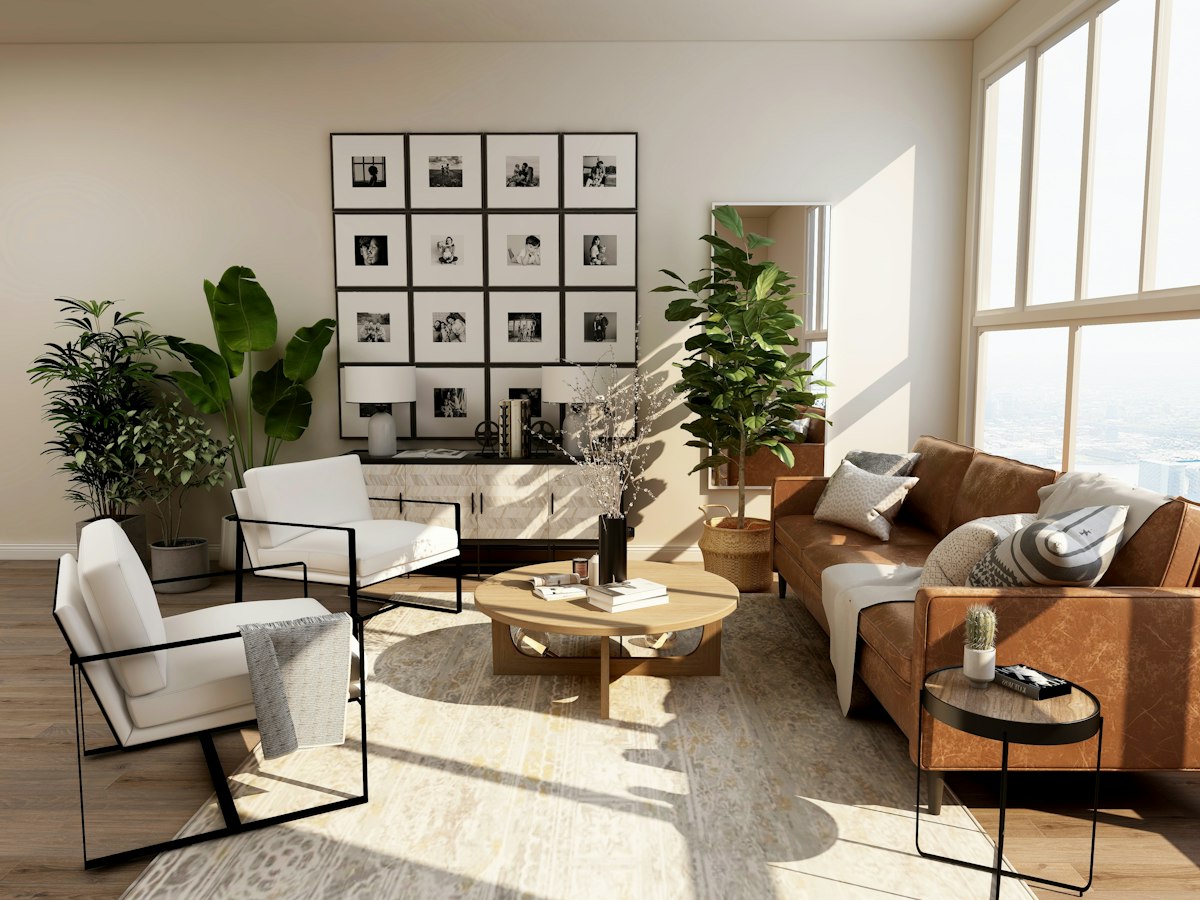
Minimalism taught many of us how calming visual restraint can be. Its downside is that repeated too literally, it can erase the clues that make a home memorable. The current appetite for older buildings, expressive color, secondhand finds, and visible craft is a response to that sameness. Eclectorian design offers permission to use a room’s quirks instead of smoothing them away. Ceiling roses, imperfect plaster, tall skirting boards, original doors, and patterned tile become assets in the composition.
There is also a practical reason for the shift. Renovation budgets are under pressure, and a full architectural reset is rarely necessary. Restoring a good door, refinishing a wood floor, repainting existing cabinetry, or building around an awkward niche often costs less and produces more character than replacing every surface. The goal is selective intervention: preserve the element with visual value, upgrade what affects daily comfort, and make new pieces earn their footprint.
That does not mean copying a Victorian parlor. The “eclectic” part is essential. Contemporary lighting, easy-clean upholstery, concealed charging, and sensible storage make the historic references livable. Think of the room as a conversation across time rather than a period set. One or two recognizable traditional notes—a patterned shade, a dark wood tone, a picture rail, a floral textile—are enough to establish the mood. The rest can be calm, useful, and distinctly current.
Start With the Architecture, Not the Accessories
The quickest way to make a layered room feel accidental is to buy accessories before deciding what the room itself is saying. Begin with a short inventory. Which architectural elements are worth emphasizing? Which are merely worn out? A fireplace surround, tall window, original molding, exposed brick wall, or old floorboard may be the room’s anchor. Photograph the room in daylight and note the fixed colors already present in wood, stone, tile, and metal. These observations should guide the palette more than a saved social-media image.
Then choose one “hero” architectural move. In a plain room, that could be color drenching the walls and trim in the same earthy shade, adding a ceiling medallion, or using a patterned wallpaper inside a compact powder room. In an older home, it may be as simple as repairing the trim and painting it a slightly deeper tone than the wall. Keeping the intervention concentrated creates drama without turning every plane into a competing event.
Respect scale while you do this. Victorian and early twentieth-century spaces commonly have generous vertical proportions, so a tiny pendant or a low scatter of objects can look lost. Use a taller cabinet, a large art piece, a substantial curtain heading, or a grouped gallery wall to meet the architecture’s scale. Conversely, a smaller apartment can borrow the spirit without borrowing the bulk: use one saturated wall, one antique-style mirror, and one textured wood piece, leaving circulation clear.
Build a Color Story That Feels Collected, Not Chaotic
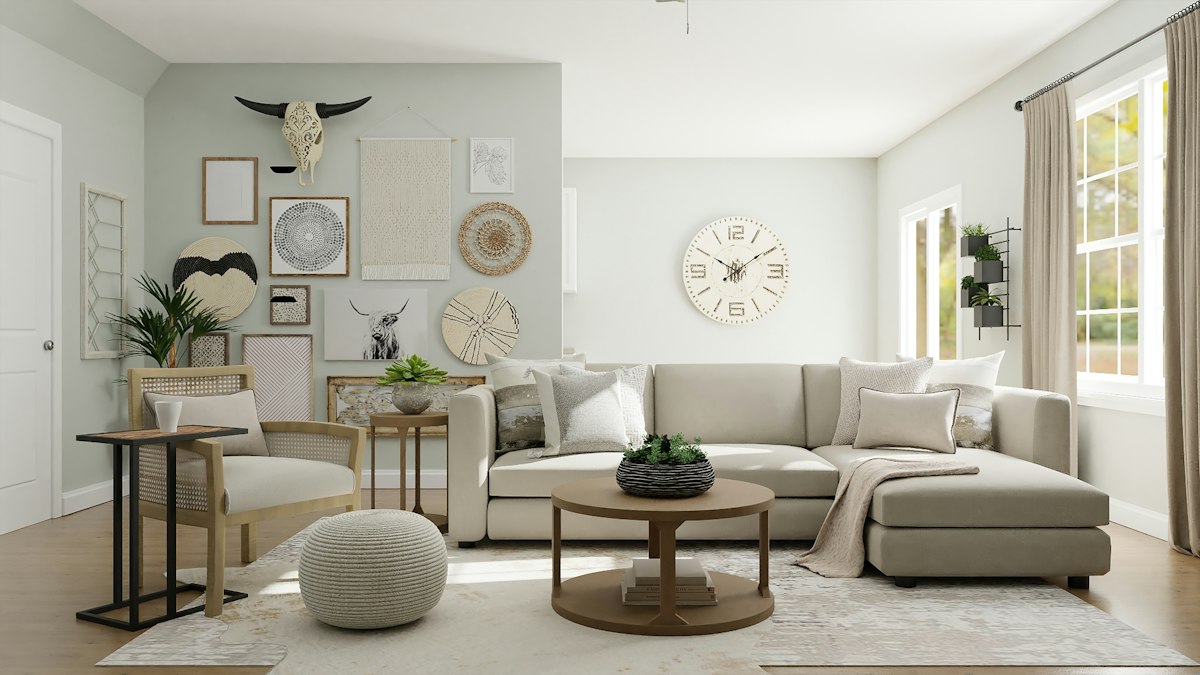
Color is doing much of the work in this trend. Rich oxblood, moss, tobacco, plum, inky blue, faded rose, and warm cream are appearing because they make rooms feel enveloping and specific. Yet a successful palette is more disciplined than a collection of favorite swatches. Start with three levels: a dominant field color, a supporting material color, and a small contrast. For example, soft olive walls can work with medium walnut furniture and a restrained hit of rust in a lampshade or cushion. The colors do not need to match; they need to share a temperature and a level of visual weight.
Test paint on more than one wall before committing. Old plaster, north-facing light, and glossy trim can all change the effect. View samples in morning, afternoon, and artificial light. If a dark wall feels risky, use it where atmosphere matters most—a dining nook, entry, bedroom, or reading corner—and keep adjacent circulation spaces lighter. A dark envelope also makes practical furniture feel more intentional: pale oak, fluted fronts, woven texture, and brass-toned accents gain definition against it.
Pattern belongs in the room, but it needs a job. A botanical fabric can soften a rectilinear cabinet. A small stripe can lengthen a narrow hall. A traditional rug can bridge a sofa and a modern media console. Repeat one color from the pattern in at least two other places, then let the remaining surfaces breathe. This repetition is the quiet system that turns a mix into a scheme.
Mix Furniture by Role, Material, and Silhouette
Instead of trying to make every item from the same era, assign each piece a role. The largest furniture should solve the room’s everyday needs first: seating should be comfortable, a media unit should control visual clutter, bedside furniture should manage charging and books, and dining storage should store what it promises. Once those roles are covered, introduce character through silhouette and finish. A curving lamp, a spindle chair, a framed oil portrait, or a vintage brass tray can supply the historical note without compromising usability.
Material contrast keeps the room from becoming costume-like. Pair a smooth painted surface with visible-grain wood; use a woven rattan or linen texture beside one sleek metal detail; balance a floral print with a simple solid upholstery. In an Eclectorian room, an ornate object needs a plain neighbor. That pause is as important as the decoration itself.
Storage deserves special attention because it protects the look. Layered interiors have more books, objects, textiles, and personal artifacts on display, so they also need places where the everyday items can disappear. Closed cabinets keep cords, remotes, paperwork, and backup tableware from diluting the composition. Open surfaces should be curated rather than continuously filled. A good rule is to style in groups of three or five, leave visible margins around them, and edit one object out whenever you add one in.
Renovate for Modern Comfort Behind the Character
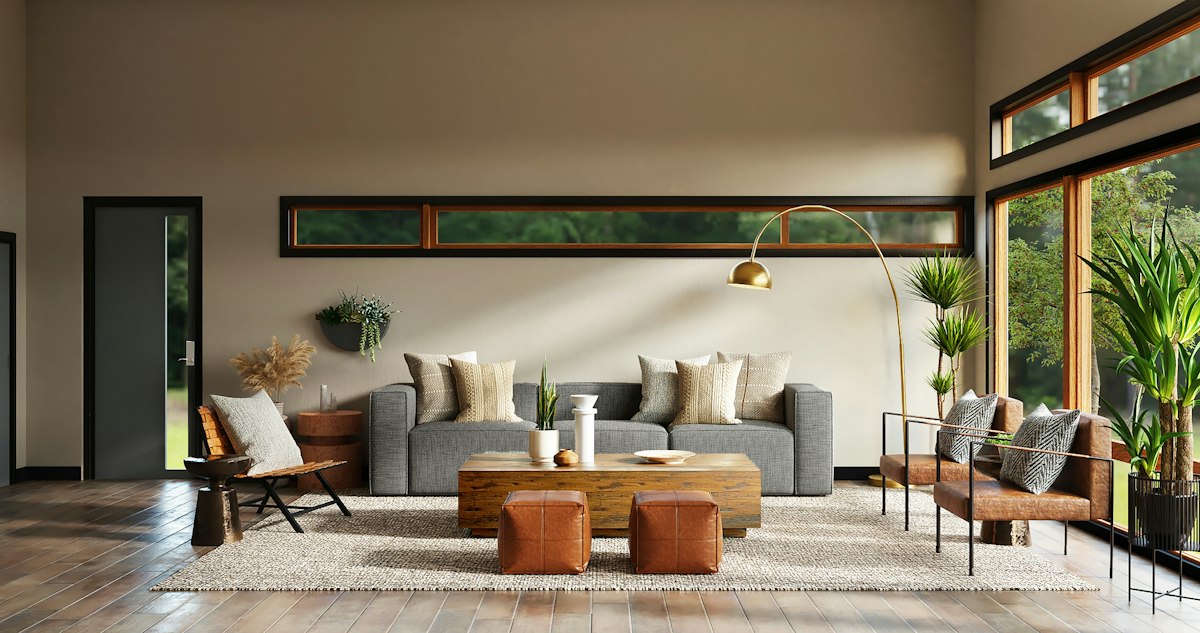
The most enduring version of this trend is quietly technical. Before spending on decorative layers, fix lighting quality, electrical access, ventilation, and storage. Add dimmable lighting on more than one circuit where possible: ambient light for the whole room, task light for reading or cooking, and accent light for art or architectural texture. Warm bulbs generally flatter deep paint and natural materials better than cool white light. Put lamps on timers or smart plugs if rewiring is not in the plan.
Plan charging where people actually use devices. That might mean a nightstand with integrated power, a discreet outlet near a sofa, or a cabinet that keeps routers and cords out of view while preserving airflow. In kitchens and entryways, adjustable shelves and drawers reduce visual noise more effectively than another decorative basket. The point is not to make technology disappear completely; it is to keep it from becoming the room’s dominant visual language.
For renters, prioritize reversible moves. Plug-in sconces, removable wallpaper, substantial curtains, peel-and-stick floor protection, and furniture that adds vertical storage can shift the mood without a permanent alteration. For owners, consider durable upgrades in the same spirit: repaired woodwork, better door hardware, deep paint on trim, or a built-in-looking storage wall. Choose the option that improves the daily experience, not simply the before-and-after photo.
Practical Takeaways for an Eclectorian Renovation
- Keep one original or characterful feature visible. Restore it, frame it with paint, or place furniture so it is clearly part of the room’s story.
- Use a 60-30-10 color balance. Let one color lead, one material or supporting shade reinforce it, and one accent add energy.
- Buy large furniture for function first. Select storage, seating, and bedside pieces based on dimensions, durability, and daily use before styling around them.
- Mix finishes with intention. Repeat a wood tone or metal finish at least twice so the room has visual rhythm.
- Contain the ordinary. Closed storage is what allows art, books, and collected objects to feel expressive rather than messy.
- Layer lighting. Combine ceiling, table, and wall-level sources; test them with the paint color after dark.
- Edit after styling. Leave clear surfaces and negative space. The room should feel lived in, not overloaded.
Featured Products
These Vektaya pieces support the trend’s central equation: visible character in the room, practical organization behind the doors and drawers.
61.5" Rattan TV Stand for TVs up to 65", 4-Door, Walnut - Vektaya

The walnut finish and woven rattan doors bring texture to a living room without adding visual clutter. Its four-door storage helps keep media accessories, games, and everyday electronics out of sight, leaving the top surface available for a lamp, art books, or a small collected display.
23" Fluted LED Nightstand with Charging Station, Drawers, Oak - Vektaya

Fluted detailing gives this oak nightstand a tailored, architectural texture that works naturally with warm paint, patterned bedding, and vintage-inspired accents. Integrated charging and drawer storage answer the modern side of the brief, so the bedside remains calm after lights out.
62" Buffet Cabinet Fluted - Vektaya

A fluted buffet cabinet creates a substantial storage anchor for dining rooms, entryways, or living spaces. Style its top with one large artwork or mirror and a limited group of objects; use the interior capacity for the less photogenic essentials that make a layered room easy to maintain.
Conclusion: Make the House More Itself
The Eclectorian trend is most useful when it encourages discernment, not accumulation. Let your home’s architecture, daily routines, and favorite materials lead. Keep the moldings if they are good; paint the room a color with conviction; bring in furniture that can cope with cables, tableware, books, and real life. Then add the odd, beautiful, personal thing that makes the room impossible to mistake for a showroom.
Ready to turn a collected look into a practical one? Explore Vektaya’s storage and accent furniture to build the functional foundation, then layer in the color, art, and history that make your home yours.
0 comments