The Nature-First Renovation: Biophilic Comfort, Flexible Furniture, and Warmer Minimalism
Published June 19, 2026
The most interesting home design trend right now is not a single color, a viral chair shape, or a glossy kitchen finish. It is a broader shift in how people want renovated rooms to feel: calmer, warmer, more flexible, and more connected to nature. After several years of ultra-clean minimalism, all-white interiors, and fast visual trends, homeowners are moving toward spaces that still look edited but no longer feel empty. Wood grain, softer silhouettes, layered textiles, indoor greenery, daylight, better storage, and furniture that can change roles are becoming the new language of a modern home.
This nature-first renovation mindset sits at the intersection of biophilic design, warm minimalism, and practical space planning. It is especially useful for apartments, compact family homes, and multipurpose rooms where every piece has to justify its footprint. The goal is not to turn a living room into a jungle or make a remodel look rustic. The goal is to build a home that supports real daily routines: a place to decompress, host, work, cook, read, store, and reset without fighting visual clutter.
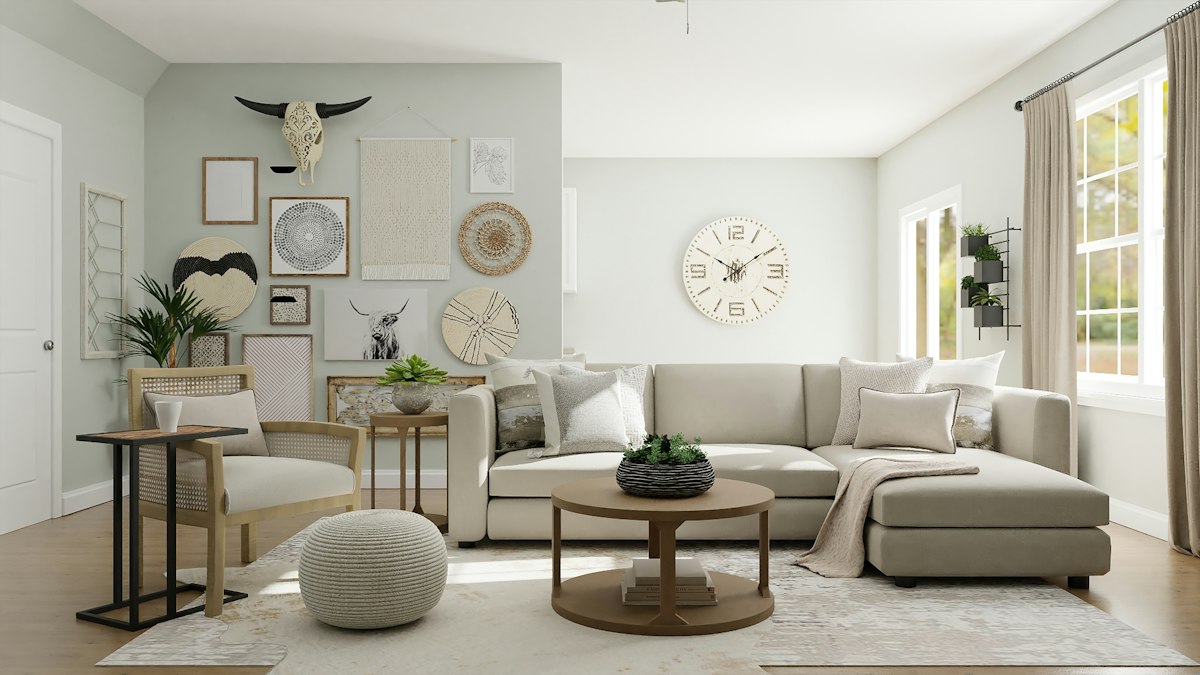
Today's trend research across interiors, furniture, and renovation coverage points in the same direction: consumers are asking for comfort with discipline. They still want clean lines, but with more touchable materials. They still want open rooms, but with zones that make sense. They still want statement pieces, but they are less interested in disposable novelty and more interested in furniture that earns a long-term place in the home. Below is a practical guide to understanding the trend and applying it without over-renovating.
Why Nature-First Interiors Are Trending Now
Biophilic design has been discussed for years, but it is becoming more mainstream because it solves several problems at once. First, homes are still carrying more responsibilities than they did a decade ago. A dining table may also be a laptop station, a homework zone, and a weekend project surface. A living room may need to host movie nights, quiet reading, pet routines, and occasional guests. When rooms work this hard, purely decorative decisions start to feel insufficient. Natural materials, flexible layouts, and better light control make a space more resilient because they improve both function and mood.
Second, the visual fatigue around stark interiors is real. White walls, black hardware, and gray flooring can photograph well, but they often need warmth to feel livable. That is why warmer neutrals, wood tones, clay colors, muted greens, woven textures, and soft upholstery keep showing up in current interiors coverage. These choices bring depth without demanding constant attention. They also age better than highly specific novelty finishes because they are rooted in materials people already understand: timber, stone, linen, cotton, ceramic, and plants.
Third, renovation budgets are under more scrutiny. Homeowners are more selective about what they replace and what they simply improve. A nature-first approach works well here because it is not dependent on a full gut renovation. You can change a room's atmosphere by adjusting furniture scale, improving storage, adding a plant-friendly lighting plan, swapping cold surfaces for warmer textures, and choosing pieces that visually connect one zone to another. In other words, it is a design trend that can be applied in layers instead of all at once.
Warm Minimalism: Clean Rooms That Still Feel Human
Warm minimalism is the design bridge between simplicity and comfort. Traditional minimalism often focuses on reduction: fewer objects, sharper lines, and less color. Warm minimalism keeps the clarity but adds sensory detail. A room may still have a restrained palette, yet the palette shifts from flat white and cool gray to cream, sand, oat, taupe, mushroom, caramel, olive, and soft black. The furniture stays streamlined, but edges are slightly rounded. Storage is hidden where possible, but shelves are allowed to hold books, ceramics, baskets, and small personal objects.
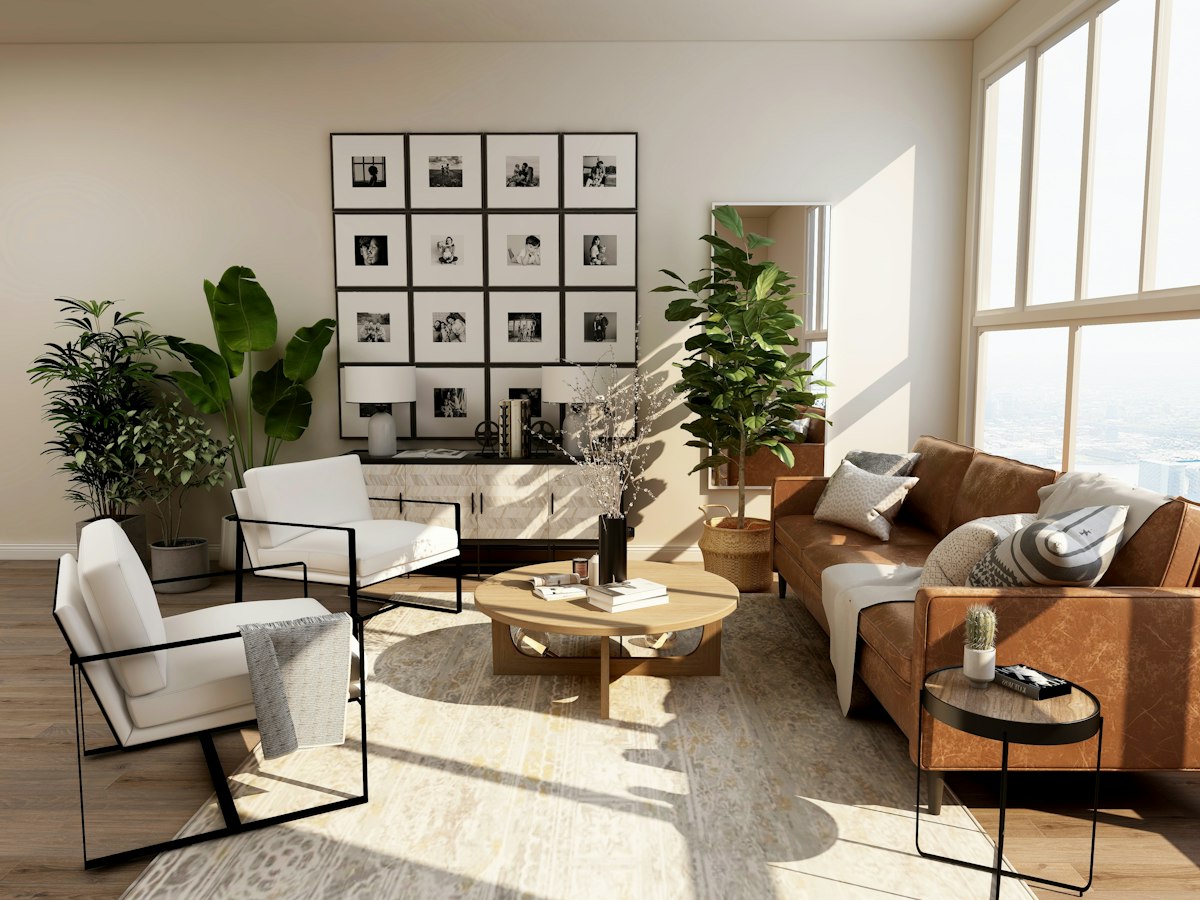
The easiest way to make warm minimalism work is to choose one dominant natural material and repeat it thoughtfully. For example, a light oak console can connect to a similar picture frame, a woven basket, and a wooden dining chair leg. A walnut side table can echo darker flooring or a vintage mirror frame. Repetition creates calm because the eye understands the relationship between objects. It also keeps a room from feeling like a showroom assembled from unrelated pieces.
Texture matters as much as color. A beige room with flat synthetic surfaces can feel bland; a beige room with boucle, linen, ribbed wood, matte ceramic, wool, and leafy plants feels layered. This is where furniture selection becomes more important than decorative accessories. Large pieces set the emotional temperature of the room. If the sofa, coffee table, storage cabinet, and accent chair are all hard-edged and cold, no amount of throw pillows can fully fix the mood. Start with foundational pieces that already carry warmth, then use accessories as supporting notes.
Flexible Furniture for Real-Life Renovation
The second pillar of the trend is flexibility. Renovation planning used to separate rooms by single purpose: living room, dining room, office, guest room. Modern homes are less obedient. People want furniture that can shift between tasks without making the room look improvised. This is why storage benches, nesting tables, extendable surfaces, modular shelving, compact accent chairs, and multipurpose cabinets feel so relevant. They allow a room to adapt while still looking intentional.
When choosing flexible furniture, avoid the trap of buying pieces that are technically multifunctional but visually chaotic. The best flexible pieces are quiet. They have simple proportions, durable finishes, and enough storage or surface area to solve a real problem. A cabinet that hides cables and games is more valuable than a dramatic open shelf that requires constant styling. A compact chair with a comfortable profile is more useful than an oversized lounge piece that blocks circulation. A side table that can move between sofa, bed, and reading corner creates more daily value than a purely decorative pedestal.
Scale is the detail that separates a successful room from a frustrating one. In a nature-first renovation, negative space is not wasted space; it is what allows materials and daylight to breathe. Measure walkways, door swings, and the distance between seating before buying. If a room is small, choose fewer pieces with better proportions rather than many small pieces that create visual noise. If a room is large, use rugs, lighting, and furniture groupings to create zones so the space does not feel like a waiting room.
How to Bring Biophilic Design Home Without Overdoing It
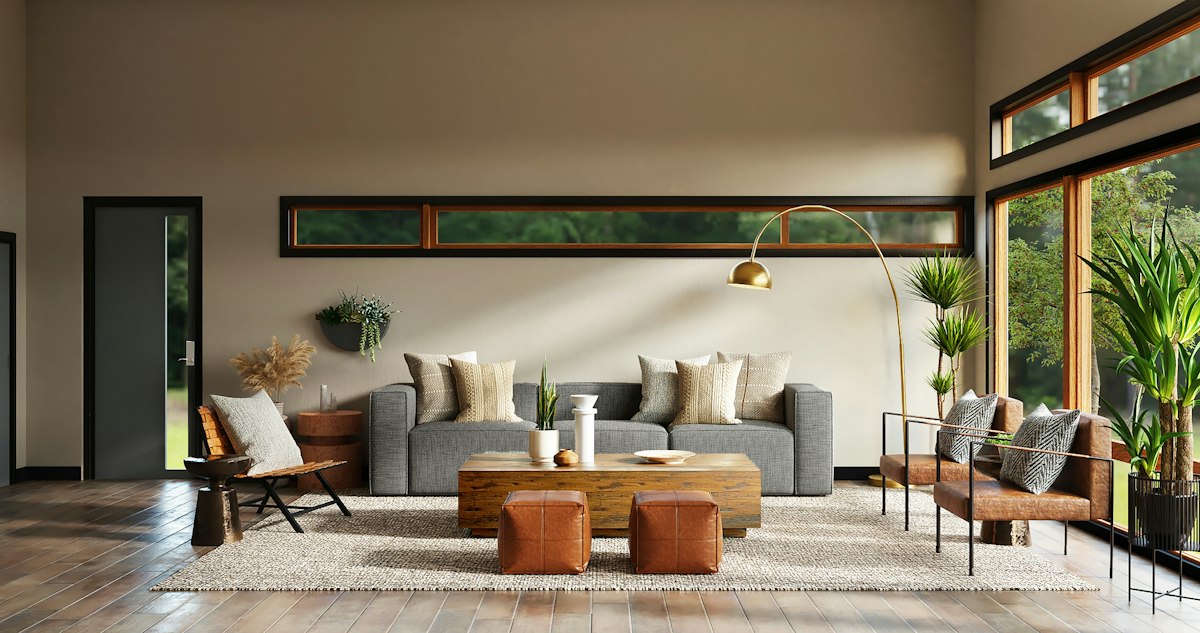
Biophilic design is often reduced to adding plants, but the concept is broader. It is about designing with references to natural systems: daylight, airflow, organic shapes, natural materials, changing shadows, views, and tactile variation. Plants are part of the strategy, but they work best when supported by the rest of the room. A single tree in a plastic pot will not make a cold room feel natural if everything else is glossy, gray, and poorly lit.
Start with light. Maximize natural light where possible by keeping window treatments simple and avoiding bulky furniture that blocks the glass. Then add layered artificial lighting: ceiling light for general use, floor or table lamps for evening comfort, and task lighting for reading or work zones. Warm bulbs can make natural textures look richer, while overly cool bulbs can make wood and fabric appear dull. If you are renovating, consider where outlets and switches should be placed before walls are finished; lighting flexibility is much easier to plan early than to correct later.
Next, choose materials that invite touch. Wood, cane, rattan, stone, cotton, linen, wool, leather, and matte metal all add different kinds of depth. You do not need all of them in one room. In fact, restraint is part of the look. Pick two or three primary textures and repeat them. A room with wood furniture, linen curtains, and ceramic lamps can feel complete without adding every trend at once. If you rent or cannot renovate permanently, use removable upgrades: rugs, freestanding storage, plug-in sconces, plants, art, and furniture with natural finishes.
Finally, build in maintenance realism. Biophilic interiors should make life easier, not create another chore list. Choose plants that match the room's light conditions. Select finishes that can handle pets, children, and daily cleaning. Use closed storage for items that do not need to be displayed. The room should look better because it supports how you live, not because it requires constant styling for photos.
Practical Takeaways for Your Next Room Refresh
- Lead with feeling, then choose finishes. Decide whether the room should feel calm, social, restorative, or focused before selecting furniture.
- Use warm neutrals as the base. Cream, sand, taupe, soft brown, olive, and muted terracotta add comfort while staying versatile.
- Repeat natural materials. Echo wood, woven texture, stone, or linen in at least three places so the room feels intentional.
- Prioritize hidden storage. A calm interior depends on where everyday clutter goes when the room is actually being used.
- Choose flexible pieces with quiet design. Multipurpose furniture should solve problems without making the room visually busier.
- Layer lighting early. Natural textures look best when the room has daylight by day and warm, flexible lighting by night.
- Leave breathing room. Do not fill every wall, corner, or surface. Negative space is part of the design.
Featured Products
To translate the nature-first renovation trend into a real room, focus on pieces that add function, warmth, and flexibility. The products below were selected from our active Shopify catalog because they can support calmer layouts, better organization, or more comfortable daily living.

68" Pantry Cabinet with Adjustable Shelves, 6 Door Shelves & Drawer-Vektaya
Best for: Storage and flexible organization — $289.99.
This is a practical match for a nature-first renovation because it helps the room work harder without making the space feel busy. Use it as a grounding piece, then layer warm lighting, natural textures, and breathing room around it.

107" L-Shaped Modular Sectional Sofa with Chaise, Beige - Vektaya
Best for: Comfort-focused seating — $299.99.
This is a practical match for a nature-first renovation because it helps the room work harder without making the space feel busy. Use it as a grounding piece, then layer warm lighting, natural textures, and breathing room around it.

Rattan Nightstand with Charging Station, 3 Drawers, Caramel Oak - Vektaya
Best for: Warm bedroom or living-room accent — $169.99.
This is a practical match for a nature-first renovation because it helps the room work harder without making the space feel busy. Use it as a grounding piece, then layer warm lighting, natural textures, and breathing room around it.
Research Notes Behind the Trend
This article is based on current furniture, interiors, and renovation trend monitoring from design publishers and news feeds. The common thread across recent coverage is a move toward homes that feel more personal, tactile, adaptable, and connected to natural materials. Instead of copying any single project, the recommendations above translate those signals into practical decisions a homeowner can use immediately.
- Studio Elèn Letort completes "expressive and characterful" renovation of historic Amsterdam apartment (dezeen.com)
- Christopher Meloni's Elevated Bookshelves Are a Masterclass in Styling Vertical Storage, So It's As Chic As It Is Functional (homesandgardens.com)
- Kate Hudson Blends Warm Woods and Crisp White Walls for Perfect 'Pure Energy' – It’s the Ultimate 2026 Living Room Solution (homesandgardens.com)
- Olivia Rodrigo’s Cozy Neutral Living Room Is a Masterclass in Midcentury Comfort – It Perfects Warm Interior Styling for 2026 (homesandgardens.com)
- Alpine landscapes inform Patricia Urquiola's "nest-like" interiors for Swiss apartment complex (dezeen.com)
Conclusion: Renovate for Calm, Not Just for Photos
The nature-first renovation trend is powerful because it is not just about aesthetics. It is about designing rooms that help people live better. A calm home does not need to be empty. A modern home does not need to feel cold. A beautiful room does not need to ignore storage, comfort, or flexibility. By combining biophilic cues, warm minimalism, and practical furniture choices, you can create a home that looks current now and still feels relevant years from now.
If you are planning a room refresh, start with one zone: a reading corner, an entryway, a living room wall, or the space beside your bed. Choose one grounding furniture piece, add a natural texture, improve the lighting, and remove what the room no longer needs. Small decisions made in the right order can change the entire atmosphere of a home.
Ready to make your home warmer, calmer, and more functional? Explore Vektaya's latest furniture and home essentials, then choose pieces that help your space breathe.
0 Kommentare