Warm Minimalism Meets Practical Renovation: The 2026 Home Trend That Actually Works
Published June 21, 2026 by Vektaya.
Every year, the design world invents a few phrases that sound beautiful but feel hard to use in a real home. This season, one trend is different. Across interior design coverage, renovation conversations, and furniture styling, the strongest through-line is not maximalist spectacle or cold minimalism. It is a softer, more livable direction: warm minimalism. Think edited rooms, natural textures, practical storage, sculptural but comfortable furniture, and renovation choices that make daily life easier rather than merely more photogenic.
What makes the trend useful is its balance. The room is calm, but not empty. The palette is restrained, but not sterile. The furniture has clean lines, but it still invites you to sit down, put a book on the table, charge a phone, host a friend, and live normally. For homeowners planning a renovation, renters trying to refresh a room, and anyone replacing key furniture pieces, warm minimalism offers a clear decision filter: choose fewer items, but make each one warmer, more tactile, and more functional.
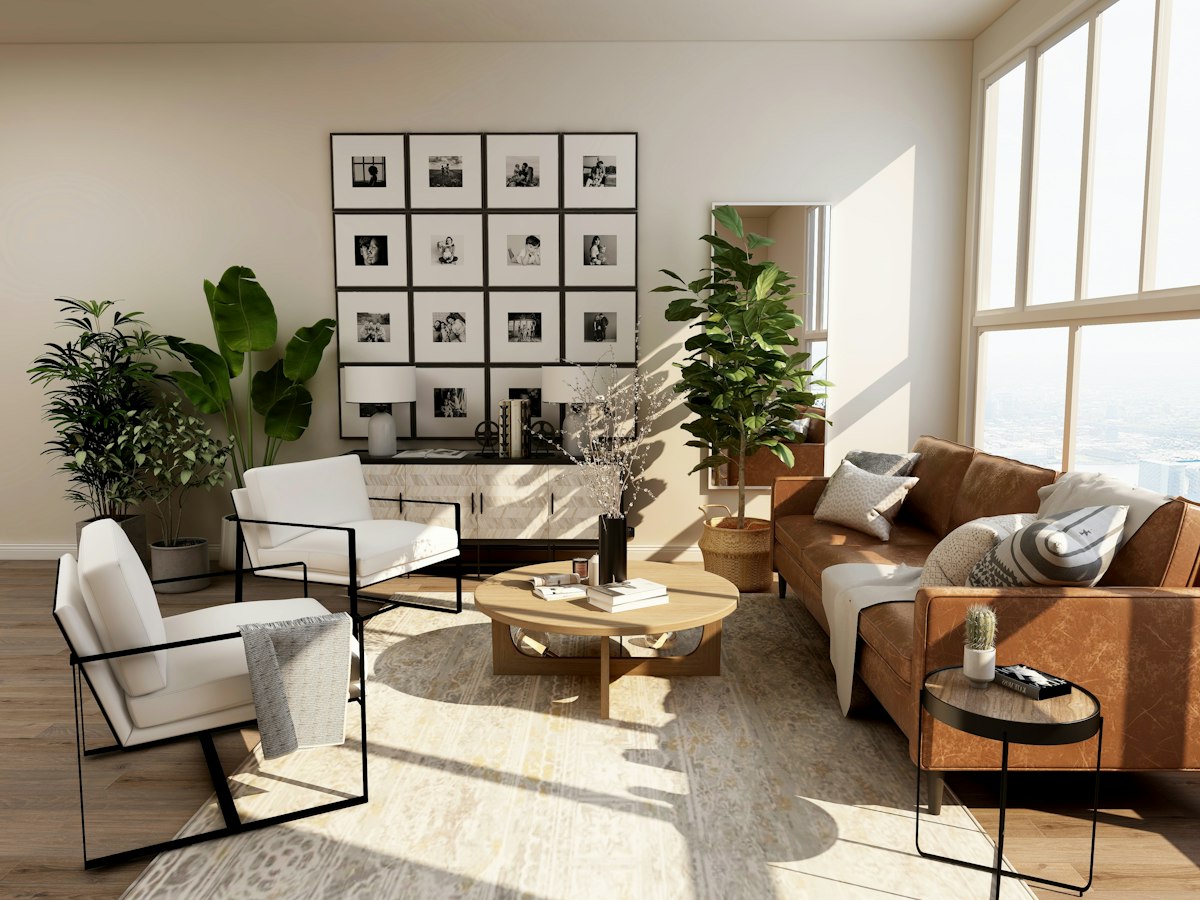
Today’s trend research points toward the same conclusion from several angles. Recent interior and home coverage continues to emphasize natural materials, soft neutrals, indoor-outdoor comfort, expressive texture, and rooms that look collected rather than over-designed. The most important signal is not a single color or chair shape; it is a change in priorities. People want spaces that reduce visual noise while still feeling personal, grounded, and useful.
Why Warm Minimalism Is Trending Now
The old version of minimalism was often judged by how little a room contained. Warm minimalism is judged by how well the room supports life. That shift matters because homes are being asked to do more. Living rooms double as work zones, dining corners become homework stations, and bedrooms have to feel restorative even when storage is limited. In that context, the best interiors are not the most dramatic ones. They are the ones that make repeated daily routines feel smoother.
The trend also reflects a broader fatigue with disposable decor. Fast seasonal styling can be fun, but many shoppers are becoming more selective. They want furniture that can survive more than one trend cycle: wood tones instead of glossy novelty finishes, upholstery that works with several palettes, and silhouettes that feel current without becoming instantly dated. Warm minimalism gives shoppers permission to buy slowly and choose pieces that can be rearranged, layered, and lived with for years.
Our research scan for June 21, 2026 included current RSS and news signals from design and home publications. The recurring themes were texture, natural materials, calm palettes, character, small-space practicality, and renovation decisions that make homes more adaptable. A few representative signals from today’s scan:
- Dezeen interiors: Architecture acts as "silent guide" at Mexico City yoga studio by Talo Atelier (Sat, 13 Jun 2026 17:00:38 +0000)
- Dezeen furniture: Eleven innovative collections from Chicago Design Week (Thu, 11 Jun 2026 18:10:33 +0000)
- Apartment Therapy: The Best Feng Shui Plants, According to Your Zodiac Sign (Sat, 20 Jun 2026 16:30:00 -0400)
- Apartment Therapy: How Designers Fix a Room with No Overhead Lighting (No Electrician Needed!) (Sat, 20 Jun 2026 10:30:00 -0400)
- House Beautiful: How to Grow and Harvest Dill, According to Gardening Experts (Fri, 19 Jun 2026 14:00:00 +0000)
These sources do not all use the same label, but the pattern is consistent. The market is moving toward interiors that combine restraint with warmth. Instead of rooms built around one loud statement, the emphasis is on a quieter base: comfortable seating, useful surfaces, storage that disappears into the room, and accessories that add texture rather than clutter.
The Look: Soft Neutrals, Texture, and Furniture With Purpose
Warm minimalism begins with color, but it does not end there. The palette usually starts with off-white, cream, sand, oatmeal, taupe, clay, warm gray, or gentle brown. These colors work because they create a soft background for natural materials. The key is avoiding a flat room. A beige sofa beside a beige wall can look unfinished if everything has the same surface. The solution is texture: woven fabric, visible wood grain, matte ceramics, brushed metal, ribbed glass, linen, boucle, cane, rattan, stone, and gently imperfect handmade objects.
Furniture shape is equally important. Pieces should have visual calm, but not feel anonymous. A rounded edge, tapered leg, arched back, open shelf, or sculptural base can make a simple item feel intentional. The best pieces earn their space in two ways: they contribute to the atmosphere and they solve a practical need. A side table can soften a seating area while holding a lamp and a cup. A storage cabinet can reduce clutter while adding wood tone. A compact chair can make an unused corner feel finished without blocking movement.
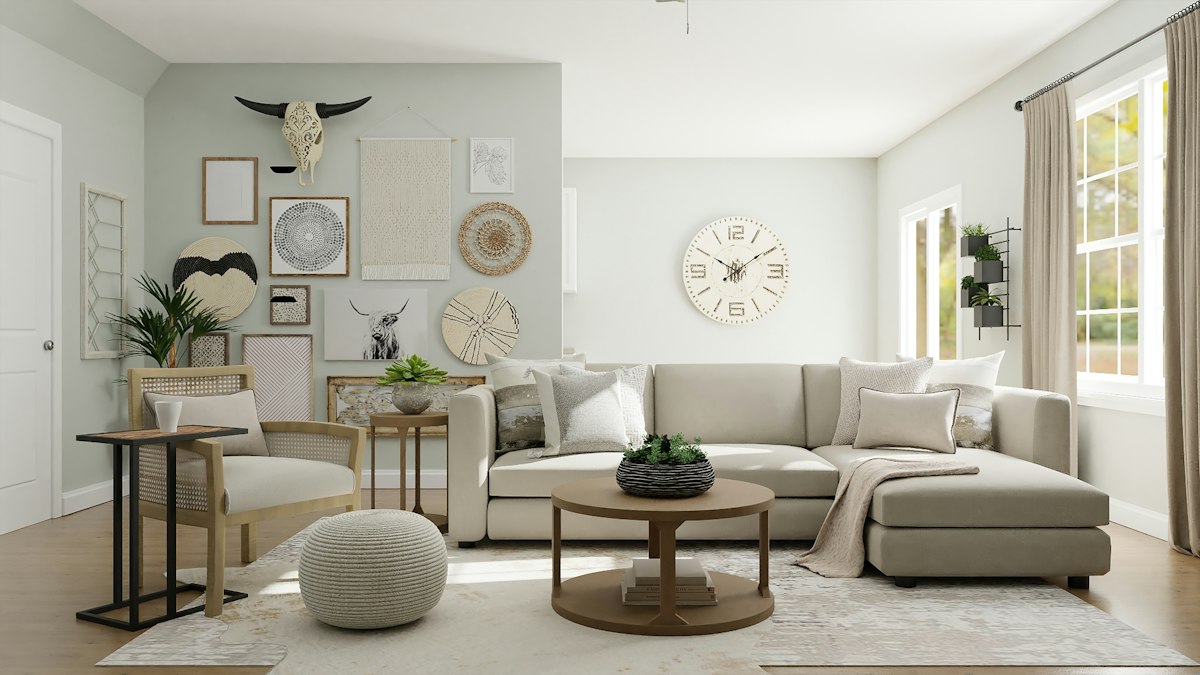
This is why the trend is especially friendly to smaller homes and apartments. You do not need a huge budget or a full remodel. In many rooms, the biggest improvement comes from editing what is visible, upgrading one high-touch furniture piece, and repeating a small set of materials. For example, a living room might use a warm wood coffee table, a neutral upholstered chair, a linen curtain, and one dark accent for contrast. The room feels designed because the elements speak the same language.
Lighting should be layered and gentle. Instead of relying on one ceiling fixture, combine ambient light, task light, and low accent light. Warm bulbs, shaded lamps, and reflective surfaces make neutral rooms feel alive at night. This is a common place where minimal rooms fail: they look good in daylight, then feel cold after sunset. A warm minimalist room should feel better as the evening settles in.
Renovation Moves That Make the Trend Last
If you are renovating, warm minimalism can guide expensive decisions. Start with the surfaces you will see and touch every day: flooring, cabinetry, countertops, wall color, hardware, and built-ins. A practical renovation does not need to chase every trending finish. Instead, choose a durable base that can support changing furniture and art over time.
Wood is the most reliable anchor. Light oak, walnut, ash, and warm-stained finishes all work, but consistency matters. If the floor, table, and shelving are all different undertones, the room can become busy even when the color palette is quiet. Pick a primary wood family, then allow one contrasting tone if the room needs depth. Matte finishes are usually more forgiving than high gloss because they hide small marks and feel more natural.
For walls, warm whites and muted earth tones remain the safest long-term choices. The goal is not to remove color from the home; it is to use color where it has the most emotional impact. A muted clay powder room, olive utility nook, or deep brown bedroom accent can feel rich without overwhelming the entire home. In open-plan spaces, a consistent wall color helps furniture and texture do the work.
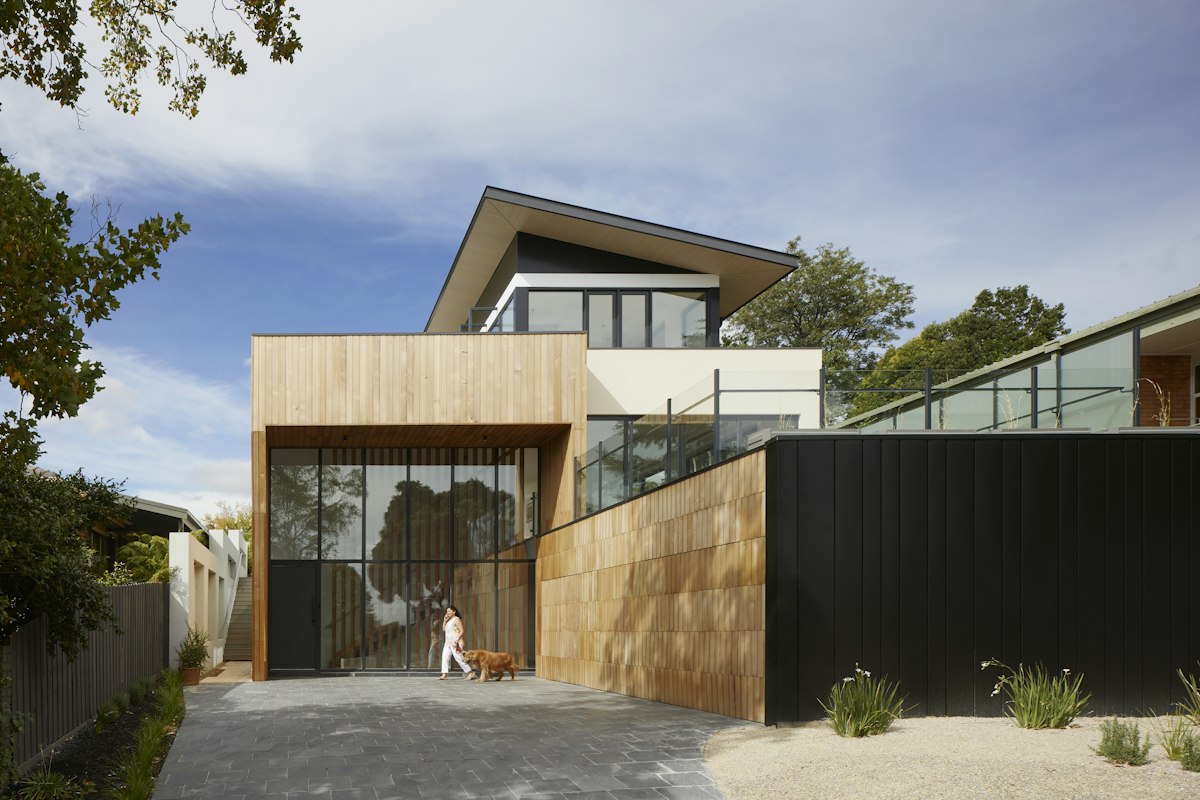
Storage is the renovation category that most directly affects whether a minimalist room stays minimal. Beautiful styling cannot compensate for a lack of places to put daily items. Closed storage near entryways, media zones, bedrooms, and dining areas is worth prioritizing. If custom built-ins are outside the budget, freestanding cabinets, storage benches, and modular shelving can create the same functional effect.
Finally, think about transitions. Warm minimalism looks best when rooms flow into one another. Repeating one metal finish, one wood tone, or one textile color across several spaces creates continuity. That repetition is not boring; it is what allows smaller decorative details to feel intentional instead of random.
How to Style the Trend Without Making the Room Feel Empty
The most common mistake is removing too much. A room can be tidy and still feel emotionally thin. Warm minimalism needs a human layer: books, ceramics, plants, framed art, a throw blanket, a tray, a lamp, or a piece collected during travel. The editing rule is simple: keep fewer objects, but choose objects with shape, memory, or usefulness.
Start by clearing surfaces completely, then return only what supports the room. On a coffee table, that might mean one book stack, one low bowl, and one small sculptural object. On a bedside table, it might be a lamp, a book, and a ceramic dish. On open shelving, leave breathing room around groups of objects. Negative space is useful because it lets texture and silhouette stand out.
Soft goods are the easiest way to warm up a simple room. Curtains, rugs, cushions, and bedding add acoustic comfort as well as visual comfort. Choose fabrics with visible weave or subtle variation rather than perfectly flat synthetics. If the room feels too pale, add contrast through espresso wood, blackened metal, deep green, rust, or charcoal rather than introducing too many unrelated colors.
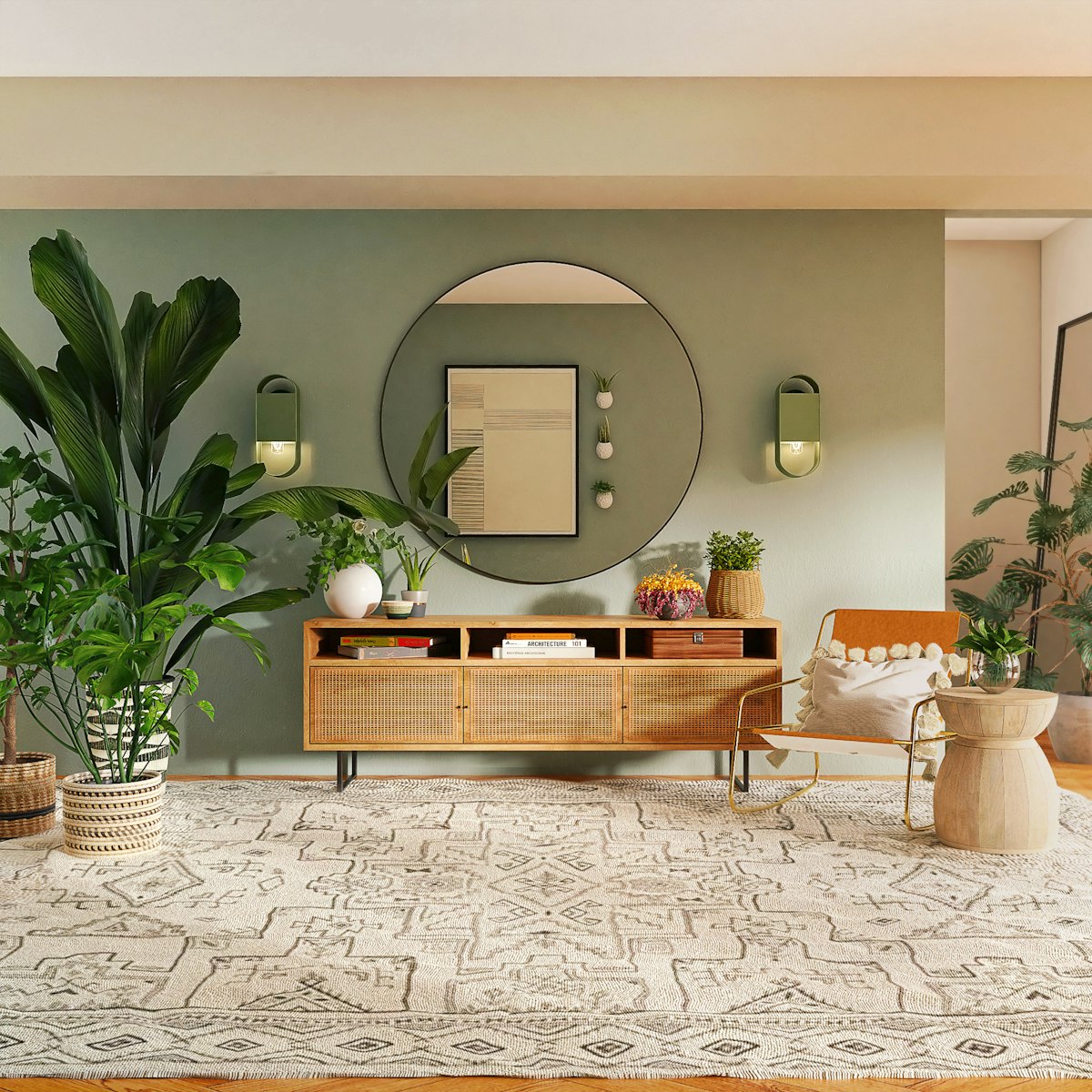
Plants still work, but they should not be used as a substitute for design. One larger plant in a simple planter often has more impact than several tiny pots scattered around the room. The same principle applies to art: one confident piece can make a neutral room feel finished, while many small unmatched pieces can create visual noise.
Practical Takeaways
- Edit before buying. Remove visual clutter first so you can see what the room actually needs.
- Choose a warm base palette. Cream, sand, taupe, clay, oak, walnut, and soft brown are easier to live with than stark white and cool gray.
- Invest in functional anchors. Seating, tables, storage, lighting, and beds should do daily work, not just fill space.
- Layer texture instead of adding clutter. Use woven fabric, wood grain, matte ceramics, rugs, and soft lighting to create depth.
- Repeat materials across rooms. A consistent wood tone or metal finish makes the home feel calmer and more intentional.
- Prioritize storage in renovation plans. Minimalist rooms only stay calm when daily objects have somewhere to go.
Featured Products From Vektaya
To bring the trend home, focus on pieces that add warmth, usefulness, and visual calm. The products below were selected from active Vektaya products because they align with the warm minimalist direction and include practical everyday function.
10-Drawer LED Mirror Vanity Desk - Vektaya

About this item 3 Brilliant Lighting Options: The vanity is equipped with an HD mirror and 12 LED Hollywood plastic bulbs; With 3 color... This kind of piece works well in a warm minimalist room because it supports daily routines while keeping the overall look clean and considered.
Rattan Nightstand with Charging Station, 3 Drawers, Caramel Oak - Vektaya

About this item • 【Convenient Charging Night Stand】This functional nightstand is a complete bedside charging station with 2 AC outlets and 2 USB... This kind of piece works well in a warm minimalist room because it supports daily routines while keeping the overall look clean and considered.
Shop Rattan Nightstand with Charging Station, 3 Drawers, Caramel Oak - Vektaya
62" Buffet Cabinet Fluted - Vektaya

About this item Expansive Storage Capacity: This buffet cabinet features two spacious cabinets with adjustable shelves and three smooth-gliding... This kind of piece works well in a warm minimalist room because it supports daily routines while keeping the overall look clean and considered.
Conclusion: Build a Calmer Home, One Useful Choice at a Time
Warm minimalism is not about copying a showroom or removing personality from your home. It is about making better choices: fewer impulse purchases, more useful furniture, softer materials, warmer finishes, and storage that supports the way you actually live. That is why the trend has staying power. It is visually appealing, but it is also practical.
If you are planning a renovation, use the trend as a filter for big decisions: warm surfaces, durable materials, layered lighting, and enough storage. If you are refreshing a room without construction, start with one anchor piece and build outward with texture, light, and a tighter palette. Either way, the goal is the same: a home that feels calm when you walk in and works well once you are there.
Ready to start? Explore Vektaya’s latest furniture and home pieces to find warm, functional upgrades for your living room, bedroom, or everyday renovation project.
0 Kommentare