Perfectly matched rooms are losing their grip on the imagination. The more compelling homes of 2026 feel assembled over time: a clean-lined cabinet beside a woven lamp, a practical storage piece carrying a family photograph, a contemporary sofa softened by an old textile or a hand-thrown bowl. This shift is often called modern folklore. It is not a demand to turn a home into a museum of antiques, nor an excuse to crowd every surface. It is a way of designing with memory, material and personality while still making everyday rooms work.
The timing is telling. Apartment Therapy’s July 23 coverage identified “modern folklore” as an emerging nostalgic direction, while Architectural Digest’s current focus on hardworking entryway tables points to the same practical need: people want rooms to tell a story without giving up usefulness. Meanwhile, Dezeen’s recent report on portable furniture for renters is a reminder that today’s furniture must accommodate real mobility. Taken together, these signals suggest a more grounded decorating instinct—less trend uniformity, more adaptable pieces with warmth and narrative. This article translates that idea into renovation choices, furniture strategy and a realistic plan for bringing the look home.
What Modern Folklore Means—and What It Does Not
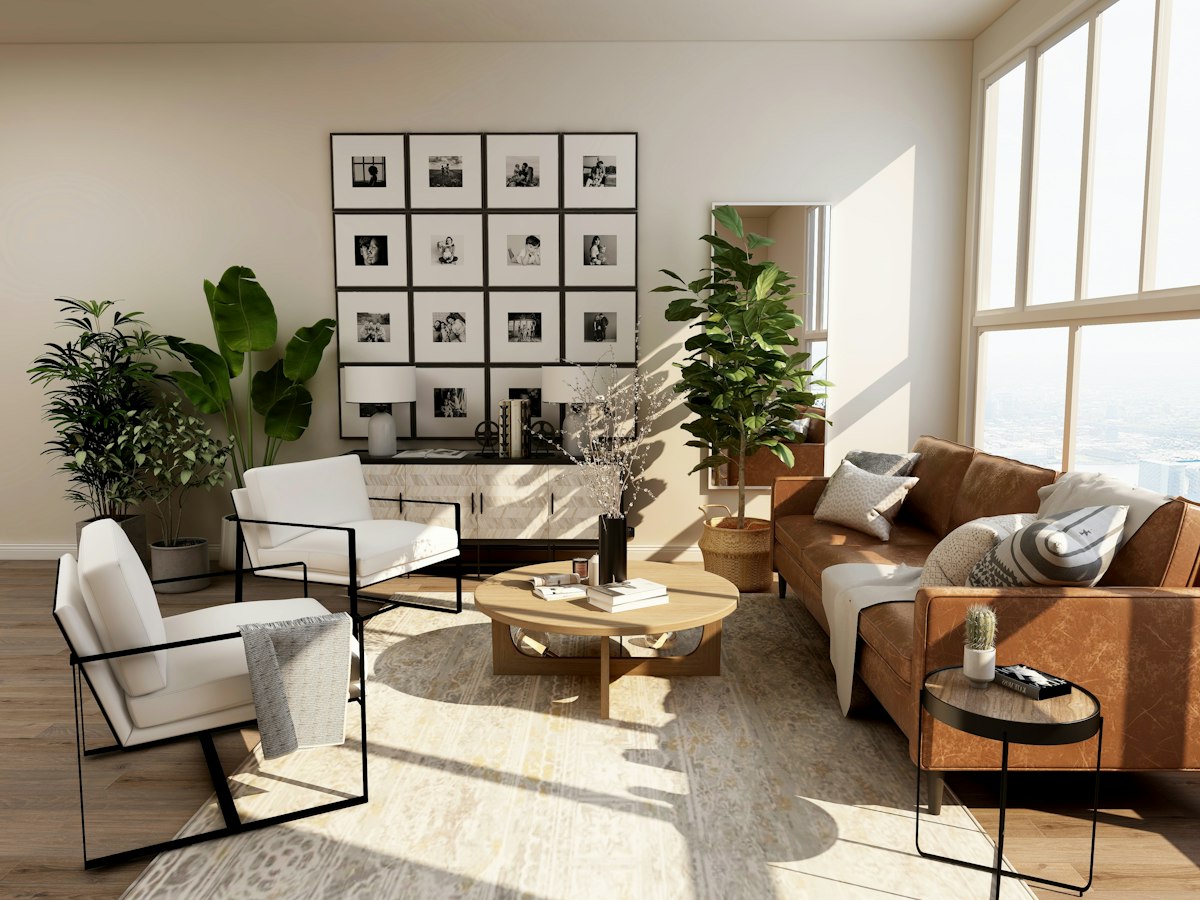
Modern folklore combines contemporary proportions with references that feel inherited, handmade, regional or personally collected. The “modern” part keeps the room legible: clear circulation, edited color relationships, useful lighting and furniture that fits the scale of the space. The “folklore” part introduces character through craft, pattern, wood grain, woven materials, domestic rituals and objects with a visible human hand.
That distinction matters because the trend is easy to misread as maximalism. A room does not become more soulful simply because every wall is covered or every shelf is full. The strongest examples establish a calm architectural base and then add a small number of expressive moments. Think plaster-like paint, oak or walnut tones, a simple upholstered silhouette and a few patterned textiles. Then add one painted cabinet, a rattan-front storage piece, a ceramic lamp, a framed textile, a carved tray or a vintage-style runner. The result should feel lived-in rather than staged.
This approach also avoids copying a single culture as a costume. Use objects you know, makers you can name, materials with credible origins, and patterns that have personal relevance. A family quilt, locally made pottery, flea-market frames and travel finds are stronger than a generic pile of “old-world” props. Modern folklore works when the story is specific, even if the palette remains restrained.
Why This Is a Practical Renovation Trend, Not Just a Styling Mood
Modern folklore has momentum because it answers several current household pressures at once. Renovations are expensive, homes are used harder than before, and many people are tired of replacing decor every season. A story-rich interior encourages a slower approach: retain what is good, improve the envelope, and invest in pieces that can move from room to room. It gives a dated space permission to evolve instead of requiring a total reset.
Start with the permanent layers. Warm off-whites, muted clay, mushroom, olive and deep brown make more forgiving backgrounds than stark cool gray. Natural or wood-look flooring, a simple limewash effect, handmade-look tile and aged-brass hardware can add depth without demanding historical accuracy. In a kitchen or entryway, one grounded material—wooden shelving, a colored cabinet interior, a modest patterned tile border—often does more than an expensive all-over theme.
Then make function visible in a pleasant way. Open shelves should hold useful objects, not random filler. A console should provide a landing zone for keys, bags and mail. A cabinet should contain the visual noise that makes a room feel less restful. This is where the current interest in storage and entryway furniture connects directly with the folklore idea: daily rituals become part of the design rather than evidence that the design failed.
Build the Look Through Material, Color, and Contrast
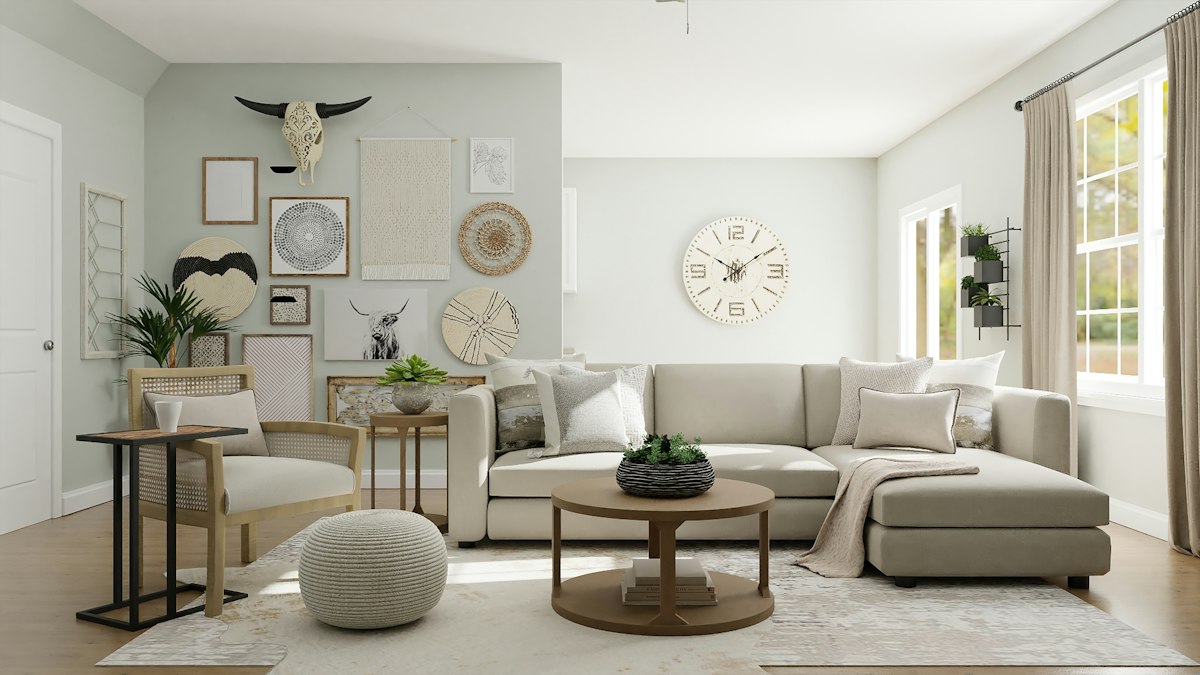
A successful modern folklore palette is usually built from material relationships before it is built from paint chips. Pair smooth and rough surfaces: fluted wood against linen, glossy ceramic against matte walls, dark metal against cane, a structured cabinet beside a soft curtain. These contrasts create depth even in a limited color scheme.
For color, choose an anchor and two supporting notes. An oak or walnut piece can be the anchor; muted green, tobacco, faded red, inky blue or warm cream can be the supporting notes. Repeat each color at least twice so it reads as intentional—for example, a green vessel echoed by a striped cushion, or a dark brown frame echoed by a lamp base. Keep the largest surfaces quieter and let accessories carry the more distinctive motifs.
Pattern needs the same discipline. One medium-scale textile, one small-scale pattern and plenty of breathing room is a reliable formula. A woven shade, floral pillow and striped runner can coexist when their colors overlap and their scales differ. If the room already has strong flooring, dramatic stone or busy cabinetry, make the textiles simpler. The goal is accumulation with order, not visual competition.
Choose Furniture That Can Carry a Story and Earn Its Footprint
Because homes are changing more often and rooms must perform more jobs, furniture should be both expressive and adaptable. Dezeen’s July report on portable furniture reflects a real shift toward pieces that are easier to relocate and reconfigure. For a homeowner, that does not mean every piece must be lightweight. It means selecting forms that remain useful as layouts change: storage that can serve a bedroom or dining room, a media console that can become a sideboard, and a dresser that works beyond the bedroom.
Look for three qualities. First, prioritize tactile fronts or material detail—rattan, fluting, woven panels, honest wood grain or a carefully finished edge. Second, choose concealed capacity. Drawers and doors let a room keep its collected personality without showing every cable, remote, document or spare blanket. Third, prefer a versatile silhouette over a novelty shape. A low cabinet, tall dresser or compact console can move through several homes and still look deliberate.
Scale is the practical guardrail. Before purchasing, tape the footprint on the floor and leave adequate paths around doors, dining chairs and the seating area. Measure wall width, depth, outlet placement and the visual height of nearby pieces. A room full of sentimental objects still needs to be easy to walk through. In fact, good circulation is what allows the expressive details to feel generous instead of chaotic.
A Room-by-Room Plan for Trying the Trend
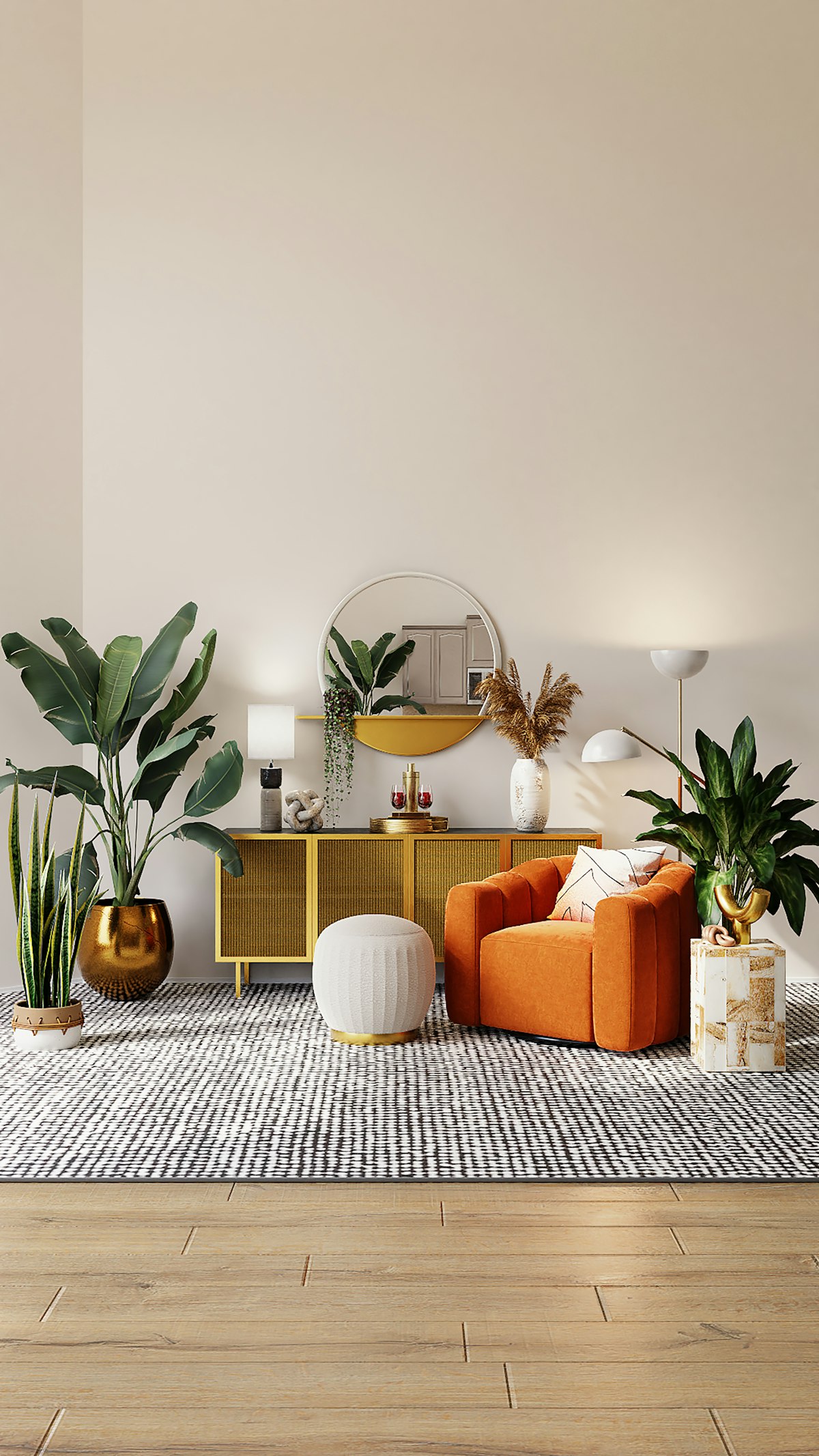
Entryway: Treat the first few feet of the home as a tiny ritual space. Add a slim table or cabinet, a bowl for keys, a mirror with character and one washable runner. The visual story should not block the exit route. Storage behind doors is especially valuable here because it protects the calm first impression.
Living room: Begin with an upholstered anchor and then layer one wood casegood, one tactile lighting element and a small group of meaningful objects. Arrange books horizontally and vertically; leave empty space on shelves; use a tray to corral small items. If a television is present, a warm-toned media console can help it sit more naturally among the other materials.
Bedroom: This is the easiest room in which to experiment because the palette can be quieter. Add a textured throw, framed print or small textile, and a nightstand with enclosed storage. Limit the display to the objects that make winding down feel better; the trend should support rest rather than turn the bedside into another staging area.
Dining or kitchen zone: Use a buffet or sideboard to marry function and atmosphere. The top can hold a lamp, serving pieces or seasonal branches, while the interior handles linens, chargers and everyday clutter. A collected table setting feels more convincing when the storage behind it makes entertaining easier.
Practical Takeaways
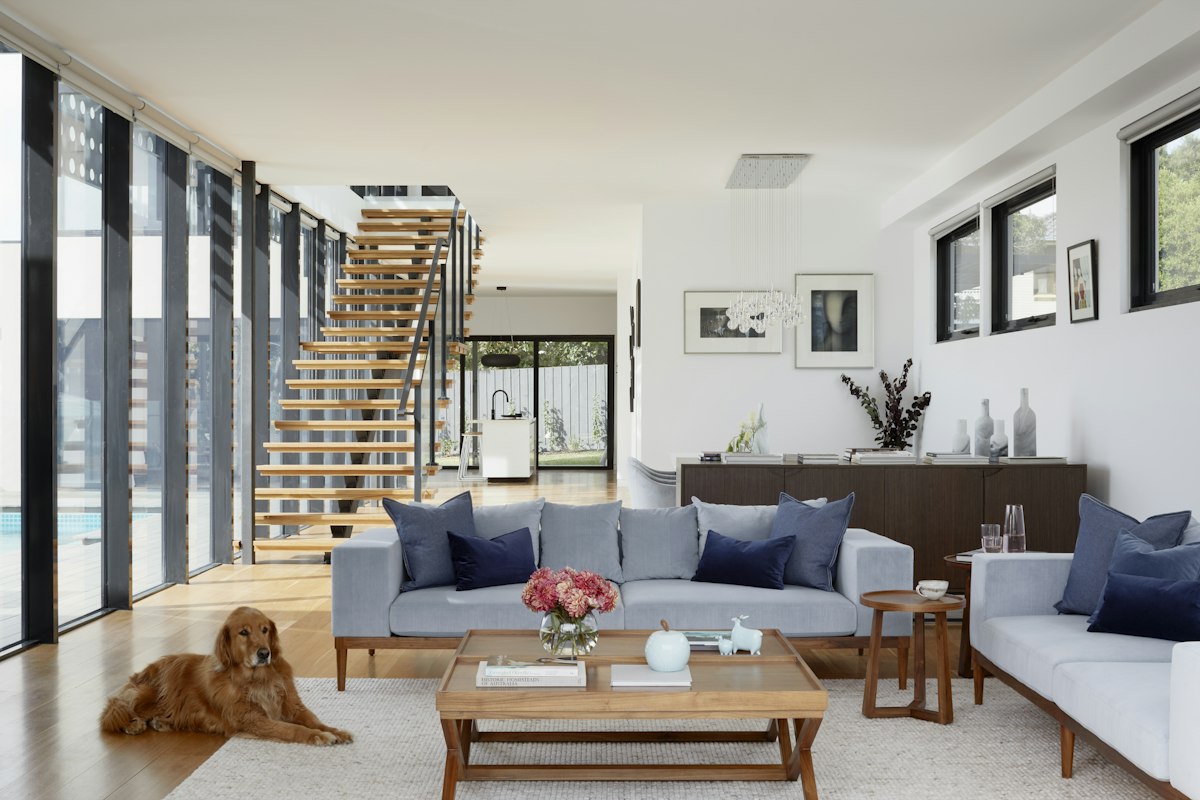
- Edit before you add: keep the objects with genuine meaning, then create room for them to be seen.
- Use a 70/20/10 balance: let 70 percent of the room be calm foundational materials, 20 percent be texture and pattern, and 10 percent be a surprising color or collectible.
- Make storage part of the aesthetic: choose cabinets and drawers with texture or warm finishes, then use them to conceal the day-to-day overflow.
- Buy for the next layout too: favor furniture that can change rooms or functions rather than pieces tied to one temporary arrangement.
- Keep the story honest: name the maker, remember the trip, display the family photo, or choose a material you truly enjoy living with.
Featured Products
These active Vektaya pieces support modern folklore’s mix of material warmth, display potential and real-world organization.
48'' Tall Dresser for Bedroom, Rattan Dresser with 5 Drawers, Boho Chest of Drawers- Vektaya

Rattan texture gives this tall dresser a crafted, relaxed note, while five drawers make it useful for clothing, linens, or a mixed bedroom-and-office routine. Style the top with a low lamp, a framed photograph and one small ceramic object, leaving enough clear surface to keep the room breathable.
$269.99
61.5" Rattan TV Stand for TVs up to 65", 4-Door, Walnut - Vektaya

The walnut-toned rattan TV stand can ground a living room with tactile detail while four doors hide media equipment and visual clutter. Pair it with a simple woven basket, restrained artwork and one leafy branch for a collected composition that still feels calm.
$239.99
62" Buffet Cabinet Fluted - Vektaya

Fluted detailing adds rhythm without relying on a loud pattern, making this buffet cabinet a versatile dining-room or entryway anchor. Use its enclosed storage for entertaining essentials, then keep the top intentionally edited with a lamp, tray and seasonal arrangement.
$208.99
Make the Story Yours
Modern folklore is most useful when it becomes a filter rather than a shopping list. Keep the functional improvements that make your home easier to live in, then choose materials and objects that add a little memory, craft and contrast. Start with one room, one storage solution and one personal layer. Over time, the home will look less like it arrived all at once—and more like it belongs to the people living in it.
Ready to build a more personal, practical room? Explore Vektaya storage and accent furniture, choose one hardworking anchor, and give your everyday rituals a place to land.
Research signals consulted: Apartment Therapy; Architectural Digest; Dezeen. This article is an original interpretation of current design coverage.
0 comments