Design is moving away from rooms that look finished but feel anonymous. The more compelling direction for 2026 is layered living: interiors with a clear point of view, comfortable materials, flexible furniture and enough restraint to keep everyday life easy.
A useful home does not need to choose between polished and personal. It can hold the reading lamp you actually use, the art that starts conversations, the cabinet that hides chargers, and the chair everyone gravitates toward. That balance is why the current conversation in interiors feels less like a single aesthetic and more like a correction: after years of blank-slate sameness, people are editing rooms for warmth, memory and real routines.
Recent design coverage points repeatedly toward expressive materials, more characterful furniture, smarter storage and homes that support several modes of living. In this article, we translate those signals into a practical approach—not a mandate to buy everything new. Research signals reviewed for this post include Architectural Digest: 14 Best Sideboards and Credenzas for Stylish Storage (2026); Architectural Digest: Inside This Austin Home Where the Interiors Are Equal Parts Personal and Museum Worthy; Architectural Digest: Where Does Matt Damon Live? Here Are the Odyssey Star’s Most Notable Homes.
Why “Layered Living” Is Resonating Now
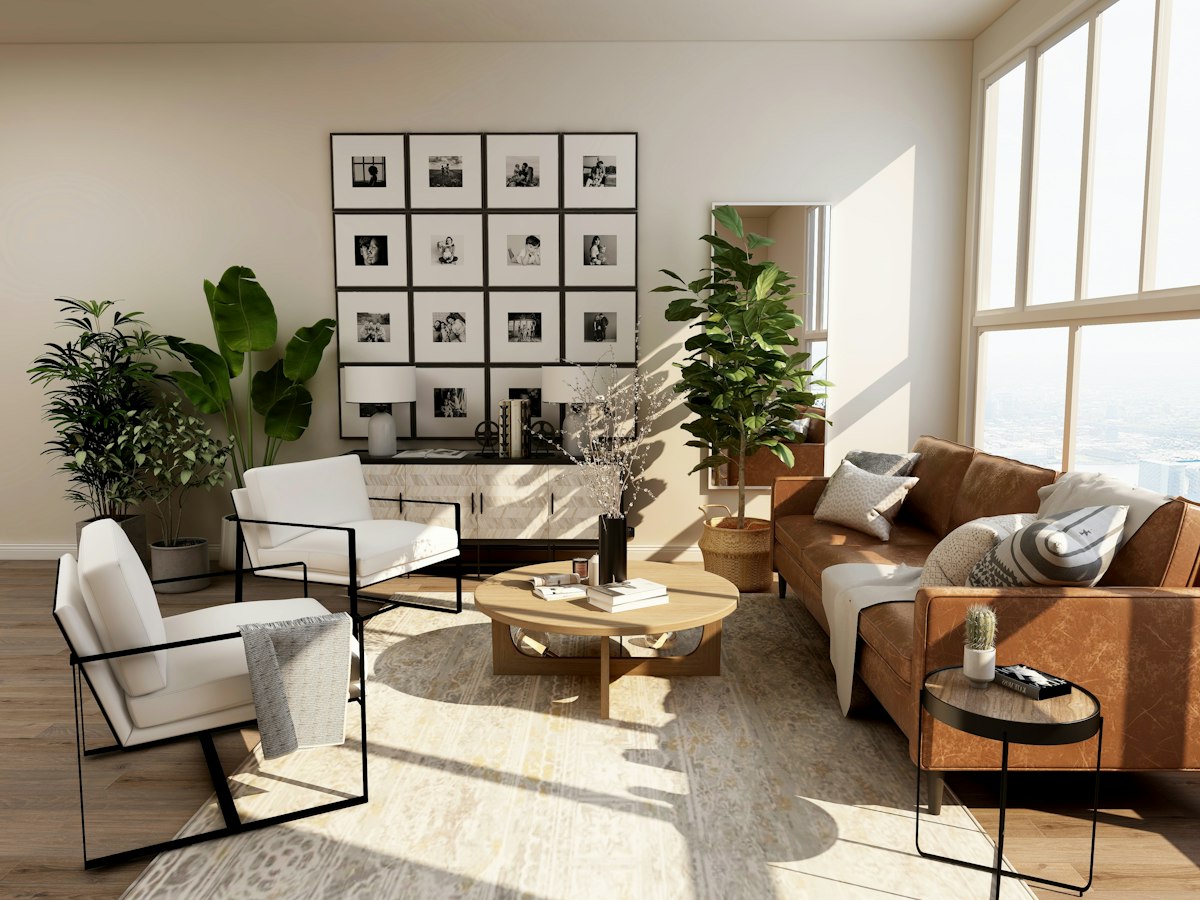
Layered living is not maximalism by another name. Maximalism often relies on accumulation; layered living relies on relationships. A room can be quiet in palette yet rich in texture. It can have a sculptural chair, a vintage-looking rug, a modern cabinet and one large artwork without becoming crowded. What matters is that each element adds a function, a tactile note or a personal reference.
The trend reflects how homes are being asked to do more. A living room may host work calls, weekend lounging, dinner with friends and a child’s craft project in the same week. Renovation choices that once prioritized a pristine “after” photo are being tested against daily friction: Where do the bags land? Can guests sit comfortably? Is there enough closed storage? Do the materials look better when they are lived with?
That is also why the look favors longevity. Natural wood grain, stone-like surfaces, woven textiles, softened metal and handmade-feeling accessories introduce variation that does not depend on a rapidly dated color fad. The goal is a home that gains character as books, photographs and useful objects enter it.
Build Depth Through Material, Not Clutter
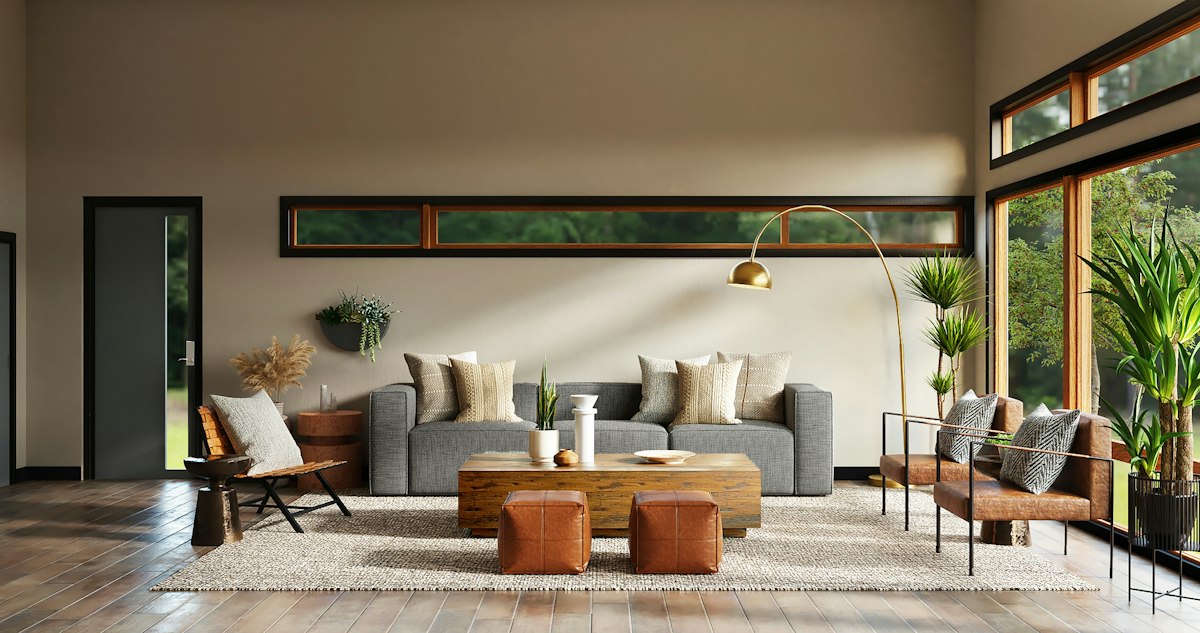
The quickest way to make a neutral room feel flat is to repeat the same smooth finish everywhere. Start instead with a compact material palette: perhaps warm wood, a nubby textile, a matte ceramic, aged-looking metal and one crisp painted surface. Repeating each material two or three times gives the room cohesion while keeping it visually alive.
Scale matters as much as finish. Pair a low, substantial seating piece with a slimmer floor lamp; place a rounded vessel on a rectilinear console; use a large rug to connect smaller furniture pieces. These contrasts are what let a room feel collected rather than purchased in one click. If you are renovating, consider this before choosing fixed elements. Cabinet hardware, grout tone, wall sheen and timber undertones all influence whether later furniture feels integrated.
Color can be restrained without being beige. Earthy reds, mossy greens, tobacco browns, ink blues and chalky mineral shades work especially well as accents because they connect easily to wood and woven fibers. Pick one dominant neutral, one supporting material color, and one deeper punctuation color. Then leave areas of visual rest. Layering works when the eye has somewhere to pause.
Choose Furniture That Solves a Real Routine
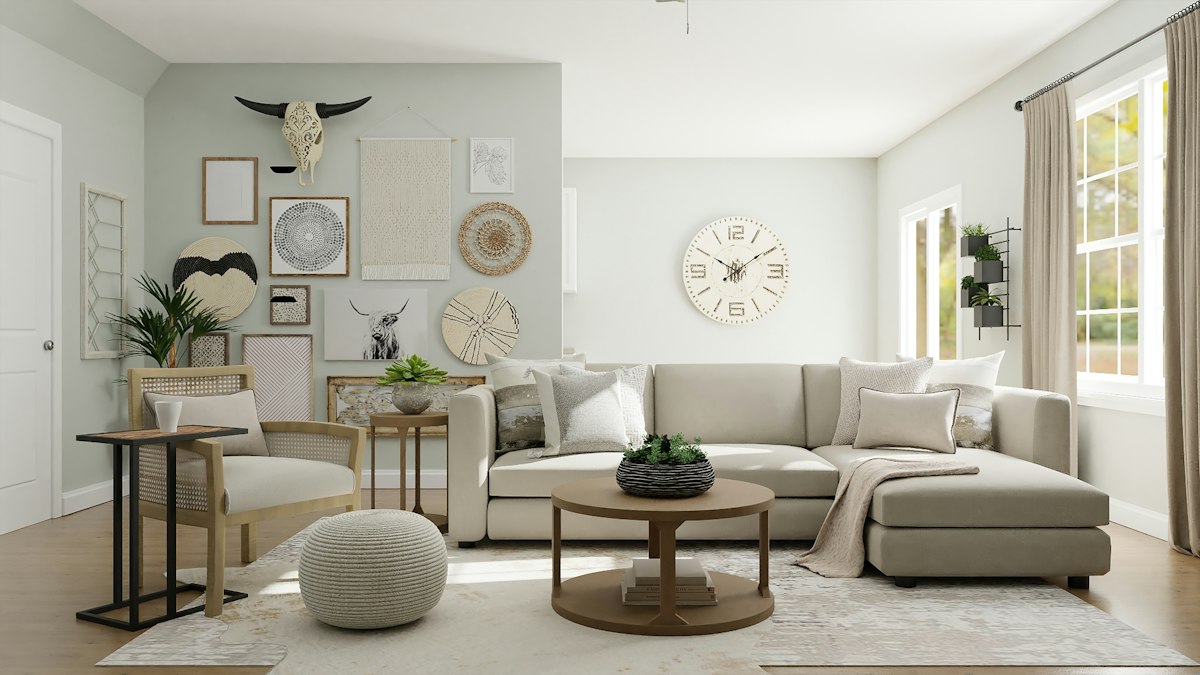
Trend-aware furniture is most valuable when it earns its footprint. Before bringing in a new piece, name the routine it will improve. A storage cabinet may create an entry landing zone. An upholstered chair may turn an overlooked corner into a reading spot. A nightstand with usable surface area may end the nightly cable-and-water-glass shuffle. When the answer is specific, the purchase is more likely to remain relevant after the trend cycle moves on.
Look for pieces with enough visual presence to stand alone, but enough simplicity to work with changing accessories. Strong proportions are a safer investment than novelty silhouettes: a grounded base, a clear edge detail, comfortable seat depth, sensible drawer dimensions and finishes that tolerate light variation. In smaller homes, choose double-duty furniture carefully. A piece should not be “multifunctional” at the price of being awkward in every mode.
For renovation planning, map your furniture before committing to architectural work. Doors need swing clearance; dining chairs need pull-out space; storage needs a reason to be near the activity it serves. This unglamorous planning is what makes an expressive room feel effortless later. It also avoids the common mistake of installing beautiful built-ins that cannot accommodate the furniture people already love.
Curate With a Point of View
A layered room needs an editor. The simplest method is to create a short story for each zone: “slow morning coffee,” “family movie night,” “working with the window open,” or “guests stay for dessert.” Use that story to decide what remains visible. A coffee table might hold a tray, two books and a small object with a good silhouette—not twelve unrelated souvenirs. An open shelf can mix books with a bowl, a framed photograph and breathing room.
Art is particularly powerful here because it adds personality without consuming floor space. One larger work often does more than a scatter of tiny frames. If a gallery arrangement suits you, unify it through frame color, subject matter or a shared margin rather than matching every image. Lighting should be treated in the same way: ambient light for the room, task light for use, and accent light for depth. A single central ceiling fixture rarely delivers all three.
Make the Bedroom a Softer Version of the Same Home
Bedrooms often get treated as a separate project, but they benefit from the same layered logic. Start with tactile comfort: bedding in two related textures, a rug that gives bare feet a softer landing, and window treatment that manages both privacy and morning light. Then add a few grounding notes—a timber bedside surface, a shaded lamp, a small artwork or a meaningful object—rather than filling every horizontal plane.
Practical calm comes from reducing visual chores. Give laundry, charging cables, spare blankets and nighttime essentials a defined home. The room does not need to be sparse; it needs to make reset easy. This is where a well-chosen bedroom storage or bedside piece can improve both the photograph and the Tuesday night reality.
Practical Takeaways
- Start with one anchor: choose the chair, cabinet, rug or artwork that expresses the room’s feeling, then build around it.
- Use a five-material limit: wood, textile, metal, ceramic and paint are plenty for a coherent room.
- Plan for concealment: every layered space needs closed storage to protect the calm of the visible surfaces.
- Test the room at night: assess lighting and seating after dark, when a home’s comfort is most obvious.
- Edit before adding: remove one object for every new decorative item until the room has rhythm, not noise.
- Buy for the routine: let an actual need—hosting, reading, working, resting—be the reason behind each major furniture decision.
Featured Products
These active Vektaya pieces were selected for roles that support a layered, livable interior: useful storage, inviting comfort and bedroom ease.

7 Drawers Dresser for Bedroom, 57” Rattan Dresser with Ample Storage- Vektaya
A storage-forward piece gives a layered room discipline: display a few meaningful objects, conceal visual noise, and leave circulation clear. Starting at $319.99.
Shop 7 Drawers Dresser for Bedroom, 57” Rattan Dresser with Ample Storage- Vektaya →

107" L-Shaped Modular Sectional Sofa with Chaise, Beige - Vektaya
Comfort is part of the look. Use this as the soft, tactile anchor that makes a room feel designed for actual evenings rather than a photo shoot. Starting at $299.99.
Shop 107" L-Shaped Modular Sectional Sofa with Chaise, Beige - Vektaya →

Fluted LED Nightstand with Charging Station, Drawer Side Tables, Oak - Vektaya
A bedroom utility piece helps carry the same warm, intentional language into the room where calm and everyday function matter most. Starting at $139.99.
Shop Fluted LED Nightstand with Charging Station, Drawer Side Tables, Oak - Vektaya →
Conclusion: Let Your Home Look Like It Belongs to You
The strongest 2026 interiors will not be the ones that copy a showroom exactly. They will be the rooms that pair considered furniture with the evidence of a real life: well-used books, a better lighting plan, materials that invite touch and storage that makes the everyday less chaotic. Begin with one zone, solve its routine, and let the layers arrive deliberately.
One final rule is worth keeping: do not rush the last ten percent. Live with a new layout for a week before adding more decor, notice where the room catches light, and let the objects you use most tell you what it still needs. That small pause produces more convincing interiors than any trend checklist.
Ready to give a room more warmth, function and point of view? Explore Vektaya furniture and choose the piece that helps your home work—and feel—more like yours.
0 comments