Every year brings a fresh set of design buzzwords, but not every trend has staying power. In early 2026, one theme is standing out across furniture launches, designer interviews, renovation coverage, and showroom styling: people want homes that feel warmer, more personal, and more comfortable to live in. The cold minimalism that defined so many spaces over the last decade has not disappeared entirely, but it is clearly giving way to interiors with more softness, more depth, and more character.
That shift is showing up in several connected ways. Designers are talking about sculptural curves rather than rigid lines. Darker and warmer woods are replacing flat, pale finishes. Handmade details, fluting, rattan, and artisanal textures are being used to make rooms feel more layered and less generic. Renovation decisions are also becoming more practical: homeowners are investing in spaces that support everyday routines better, whether that means a deeper sofa, smarter bedroom storage, or multipurpose furniture that looks elevated instead of temporary.
Recent design coverage from outlets like House Beautiful, Architectural Digest, and ELLE Decor points in the same direction. Their trend reporting may use different language, but the throughline is clear: comfort is now a design statement, not an afterthought. The most relevant furniture trend for retailers and homeowners right now is not a single item. It is a broader lifestyle move toward warm, livable interiors with shape, tactility, and authenticity.
This matters because it affects how people shop. They are not only comparing dimensions and prices. They are asking whether a piece softens a room, adds texture, supports real routines, and helps a home feel more complete. For furniture brands, stylists, and homeowners alike, understanding this direction makes it easier to choose pieces that will still feel current long after trend cycles move on.
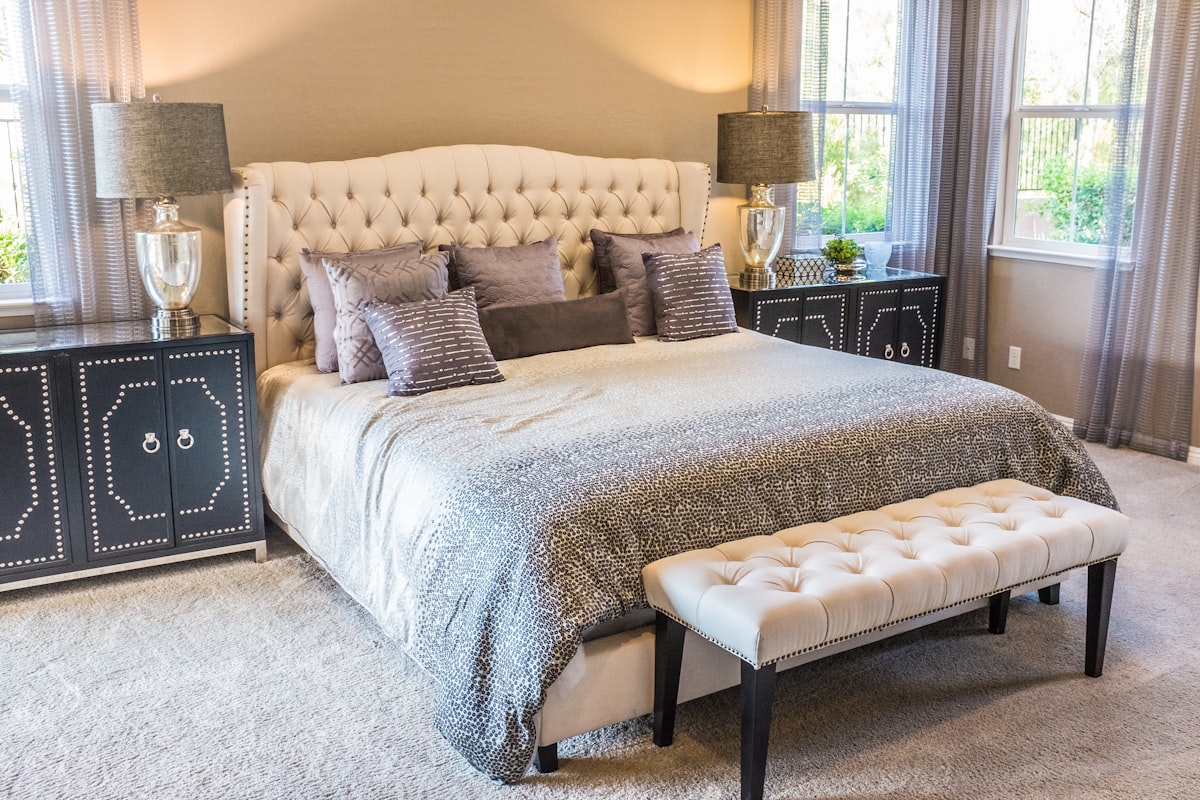
1. Sculptural Curves Are Replacing Harsh Lines
One of the strongest visual signals in 2026 furniture is the move toward rounded silhouettes. Curved sectionals, softened corners, bullnose edges, arched mirrors, and subtly sculpted case goods are everywhere. This is not purely aesthetic. Curves create psychological softness in a room. They help large furniture feel less bulky, make layouts look more welcoming, and balance the boxy architecture common in modern apartments and suburban new builds.
Curved furniture also photographs well, which helps explain part of its popularity in digital-first shopping. But the bigger reason it is sticking is that it genuinely improves how a room feels. A sectional with generous proportions and softer lines invites lounging. A rounded side table or nightstand can make a tight bedroom feel less sharp and congested. Even when the overall room is simple, sculptural forms add enough movement to keep it from reading flat.
For renovators, this trend is useful because it does not require a full redesign. You do not need to rebuild a room around a dramatic statement piece. Often, one or two curve-led items can change the mood quickly: a sectional with a deeper seat, a fluted bedside table with rounded edges, or a storage cabinet that softens a wall of straight lines. The goal is not to make everything organic. It is to break visual stiffness and create flow.
In practical terms, curved furniture works especially well in living rooms, open-plan spaces, and bedrooms where relaxation is the priority. It pairs nicely with neutral palettes, boucle or textured fabrics, and warm wood accents. If a room already has strong angles from windows, cabinetry, or flooring, a curved seating piece is often the fastest way to make the space feel more intentional and current.
2. Dark Woods and Warm Tones Are Back for Good Reason
Another major signal in current design reporting is the return of richer wood tones. After years of bleached oak, cool gray finishes, and sterile white-on-white rooms, consumers are rediscovering the depth that walnut, caramel oak, espresso, and other darker woods can bring. This does not mean homes are becoming heavy or old-fashioned. The updated look is cleaner and better edited, using dark wood as an anchor rather than as visual overload.
Warm wood finishes instantly make interiors feel more grounded. They give contrast to white walls, create a sense of permanence, and make even newer homes feel less generic. This is especially relevant in renovation projects where homeowners want a “finished” feeling without overcomplicating the design. A walnut TV stand, an oak nightstand, or a wood-accented sideboard can do a surprising amount of work in making a room feel layered.
The key difference in 2026 is how these wood tones are being used. Instead of matching every surface, designers are mixing woods with upholstery, metal, stone-look finishes, and natural fibers. Dark wood is now part of a broader warmth strategy. It is frequently combined with creamy textiles, matte black accents, ribbed or fluted fronts, and soft lighting. That layered contrast helps rooms feel curated rather than themed.
Homeowners also like the longevity of this direction. Warm woods are easier to live with than ultra-trendy colors, and they hide everyday wear better than pure white finishes. For e-commerce furniture brands, that makes wood-tone pieces easier to position as durable, versatile investments rather than short-term trend buys.
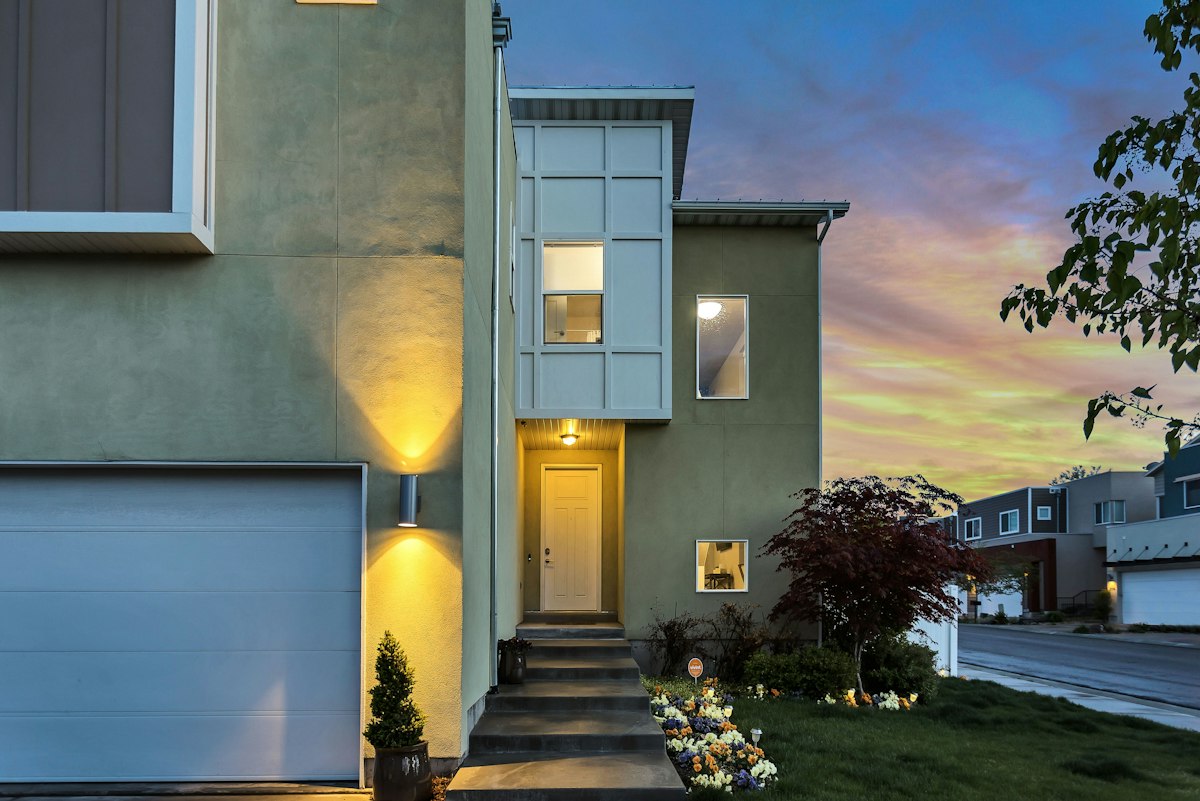
3. Artisan Details Make Rooms Feel Personal Instead of Template-Driven
Design coverage this season repeatedly points to handcrafted or artisan-led influence. That does not mean every home suddenly needs heirloom antiques or custom millwork. It means people are gravitating toward furniture and decor that show texture, pattern variation, tactile surfaces, and some sense of human touch. Fluting, woven rattan, carved panels, mixed materials, and visible grain all contribute to this effect.
This trend is partly a reaction to algorithmic sameness. Many consumers are tired of homes that look like copies of a single social-media mood board. Artisan details help solve that by making furniture feel more distinctive even when the overall room remains simple. A fluted nightstand, a rattan-front cabinet, or a storage piece with thoughtful finish variation can introduce enough texture to make a space feel assembled over time rather than bought in one click.
There is also a value perception advantage here. Texture reads as intention. When a piece includes ribbed detailing, woven panels, or a tactile finish, shoppers tend to perceive it as more elevated because it offers more than basic utility. In renovation settings, that matters. People want storage, but they do not want rooms to feel purely functional. The best current furniture solves a practical need while still contributing to the atmosphere of the home.
For anyone styling a bedroom, living room, or entry, artisan-inspired details are one of the easiest ways to upgrade the space. You can keep the palette neutral and still get depth through surface variation. That is exactly why this trend is proving more durable than louder statement looks: it adds character without overwhelming the room.
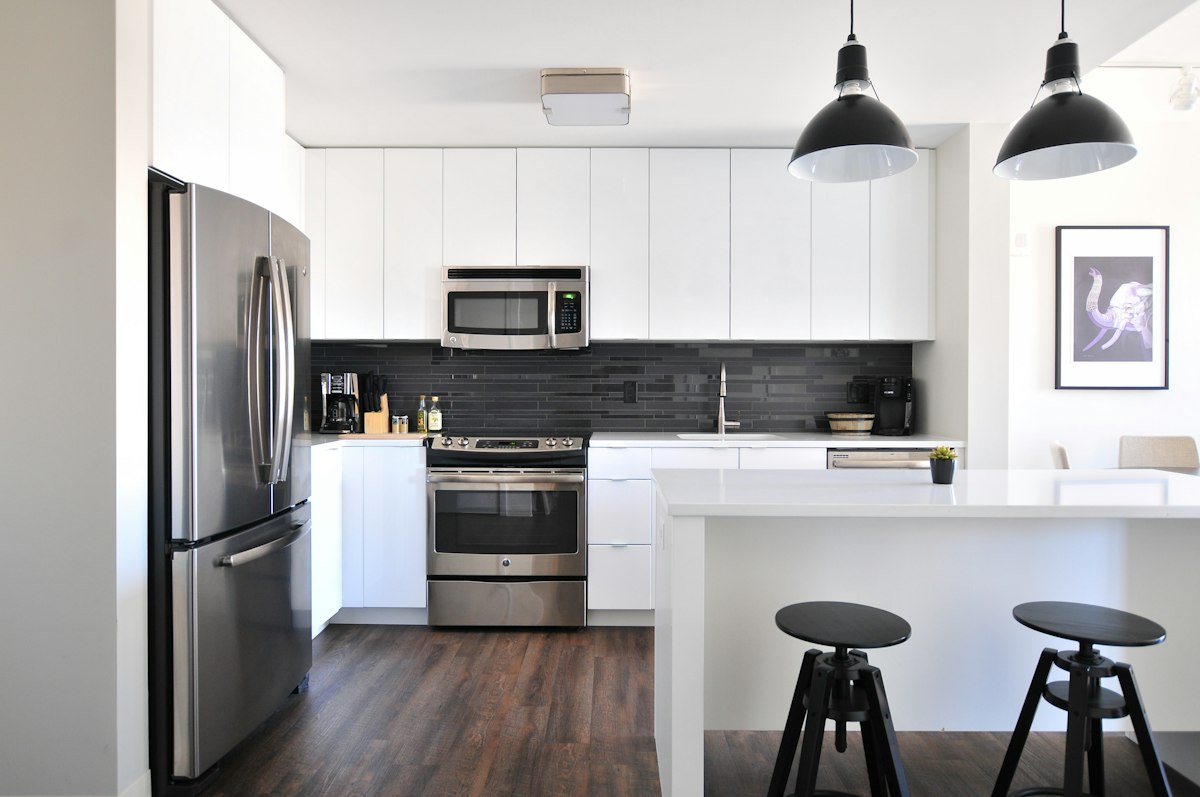
4. Comfort Has Become a Visible Status Signal
One of the most interesting shifts in 2026 is that comfort is no longer hidden behind design. It is the design. Deep seating, supportive upholstery, practical charging features, smart storage, softer fabrics, and multi-use layouts are all being framed as premium, not basic. Consumers want homes that support long evenings, hybrid work, better routines, and easier cleanup. In other words, the aspirational home is now one that feels good to use every day.
This helps explain why oversized sectionals, bedroom storage furniture, and feature-rich nightstands continue to gain traction. These pieces address real friction points: where to charge devices, where to store everyday clutter, how to make a small room feel calm, and how to create a living room that actually invites people to sit down. Instead of separating “beautiful” from “practical,” current design merges them.
That same logic is influencing renovation priorities. Homeowners are paying closer attention to room function, circulation, and daily habits. A kitchen or bedroom upgrade is no longer judged only by how polished it looks in listing photos. It is judged by whether it reduces friction and improves the lived experience of the home. Furniture that supports this mindset becomes easier to justify because it participates in the architecture of daily life.
For brands and shoppers alike, the takeaway is simple: products win when they deliver comfort in a visually refined way. The sweet spot is furniture that looks intentional, feels substantial, and solves an everyday problem without appearing overly technical.
5. The Best Trend Response Is Layered, Not Literal
Whenever a trend breaks into the mainstream, there is a temptation to copy it too directly. That is usually a mistake. The strongest interiors in 2026 are not the ones that aggressively chase one keyword. They are the ones that combine the season’s signals in a balanced way: a curved sofa, a warm wood piece, one textured accent, and lighting that makes the whole room feel softer. This layered approach is what turns trend awareness into an actually livable space.
That matters for renovation planning, too. Most people are not redoing their entire home at once. They are improving one zone at a time. A better living room may start with seating. A calmer bedroom may begin with smarter bedside storage. A more polished media wall may come from swapping in a cabinet with richer texture and color. Thinking in layers helps homeowners make decisions that feel coherent, even when updates happen gradually.
The same principle applies to online merchandising. Products feel more relevant when they are framed as part of a broader design direction instead of as isolated items. Showing how a fluted oak nightstand fits into the return of warm woods, or how a sectional supports the comfort-first shift, makes the product story stronger and more credible.
In that sense, the real trend is not simply curves, dark woods, or handmade details on their own. It is the move toward homes that feel composed, relaxed, and emotionally warmer. That is why the direction has momentum: it reflects how people actually want to live now.
Practical Takeaways for Homeowners and Renovators
- Start with one anchor piece: If your room feels cold or flat, begin with a deeper sofa, a warmer wood cabinet, or a textured bedside piece instead of changing everything at once.
- Use contrast to create warmth: Pair creamy upholstery with walnut, oak, rattan, matte black, or ribbed surfaces to keep neutral rooms from feeling bland.
- Choose comfort that looks refined: Look for furniture with storage, charging, or generous proportions, but avoid bulky shapes that overwhelm circulation.
- Mix texture before adding color: Fluting, woven fronts, visible grain, and layered fabrics often add more depth than another accent color would.
- Think in zones: Renovate or refresh by room function. Living, sleeping, working, and storing all benefit from furniture that feels intentional and easy to use.
Featured Products
If you want to bring this warm, comfort-first trend into your own home, these pieces from our collection align especially well with what is shaping interiors in 2026:
107" L-Shaped Modular Sectional Sofa with Chaise, Beige - Vektaya

A generous curved-profile sectional that supports the comfort-first living room trend with a soft, welcoming silhouette.
Price: $579.99
23" Fluted LED Nightstand with Charging Station, Drawers, Oak - Vektaya

An oak fluted nightstand that blends warm wood, texture, and practical charging features for a more polished bedroom setup.
Price: $199.99
61.5" Rattan TV Stand for TVs up to 65", 4-Door, Walnut - Vektaya

A walnut rattan TV stand that adds artisan texture and richer tone to media walls, helping modern rooms feel less flat.
Price: $239.99
Conclusion
The most important furniture trend of 2026 is not about chasing novelty for its own sake. It is about building homes that feel warmer, softer, and more supportive of real life. Sculptural curves, darker woods, artisan textures, and comfort-led functionality all point to the same idea: good interiors should feel personal and easy to live in.
If you are planning a renovation or simply refreshing one room, focus on pieces that add warmth and function at the same time. A well-chosen sectional, a textured nightstand, or a wood-rich storage piece can shift the entire tone of a space. Explore our latest collection to find furniture that brings this trend into your home in a practical, lasting way.