For years, wellness at home was treated like a luxury add-on. If you had the budget, you carved out space for a sauna, upgraded to a cold plunge, or converted a spare room into a meditation studio. In 2026, that idea is changing fast. The most interesting design conversations are no longer about obvious wellness features alone. They are about invisible wellness: homes that quietly help people sleep better, move more comfortably, feel less overstimulated, and recover from daily stress without announcing themselves as “wellness spaces.”
Design coverage this year points in the same direction. House Beautiful has highlighted invisible wellness as a defining 2026 home trend, describing a shift away from single-purpose health rooms toward homes where well-being is built into the foundation of everyday life. That perspective aligns with broader 2026 reporting from Homes & Gardens, where designers are forecasting warmer palettes, richer wood tones, natural texture, personality-driven rooms, and statement furniture that still supports sanctuary. Put together, the message is clear: people want homes that feel better, not just look impressive.
That is a meaningful shift for furniture and renovation decisions. Wellness today is not only about what you add. It is also about what you remove: glare, clutter, friction, visual noise, awkward circulation, and surfaces that make everyday routines feel harder than they need to be. It is about choosing pieces that improve the rhythm of a room, introducing materials that soften the sensory experience of home, and creating spaces that can flex between work, rest, connection, and solitude.
Below, we look at why invisible wellness is gaining traction, how it connects to the broader furniture and interior trends shaping 2026, and what practical choices can make the idea work in real homes.
Why invisible wellness is resonating in 2026
The rise of invisible wellness makes sense because life outside the home has become louder, faster, and more fragmented. People are spending their days under bright screens, in notification-heavy environments, and in routines that often feel compressed. The modern home is being asked to do more than ever before: it must function as a place to sleep, recharge, socialize, work, and mentally reset.
What designers are noticing is that homeowners no longer want wellness to be confined to one aspirational room. They want healthier lighting in the kitchen. They want calmer bedroom storage. They want living rooms that invite conversation instead of visual overload. They want furniture that supports comfort without looking clinical. That is exactly why the trend is “invisible.” The best examples do not feel gimmicky. They simply make daily life smoother.
This also explains why the trend is dovetailing with other 2026 shifts. Reports this year repeatedly point to richer woods, lived-in finishes, layered texture, bold but grounded color, and fewer throwaway pieces. Those ideas all support wellness because they move interiors away from sterile perfection and toward sensory balance. A home feels restorative when the materials are tactile, the scale of the furniture is generous, the layout respects movement, and storage keeps surfaces from becoming chaotic.
Wellness is moving from specialty rooms into everyday zones
One of the most important takeaways from 2026 trend reporting is that wellness is no longer an isolated category. Bedrooms, kitchens, entryways, and living rooms are all being rethought through a well-being lens. That means people are paying more attention to transition moments and daily rituals.
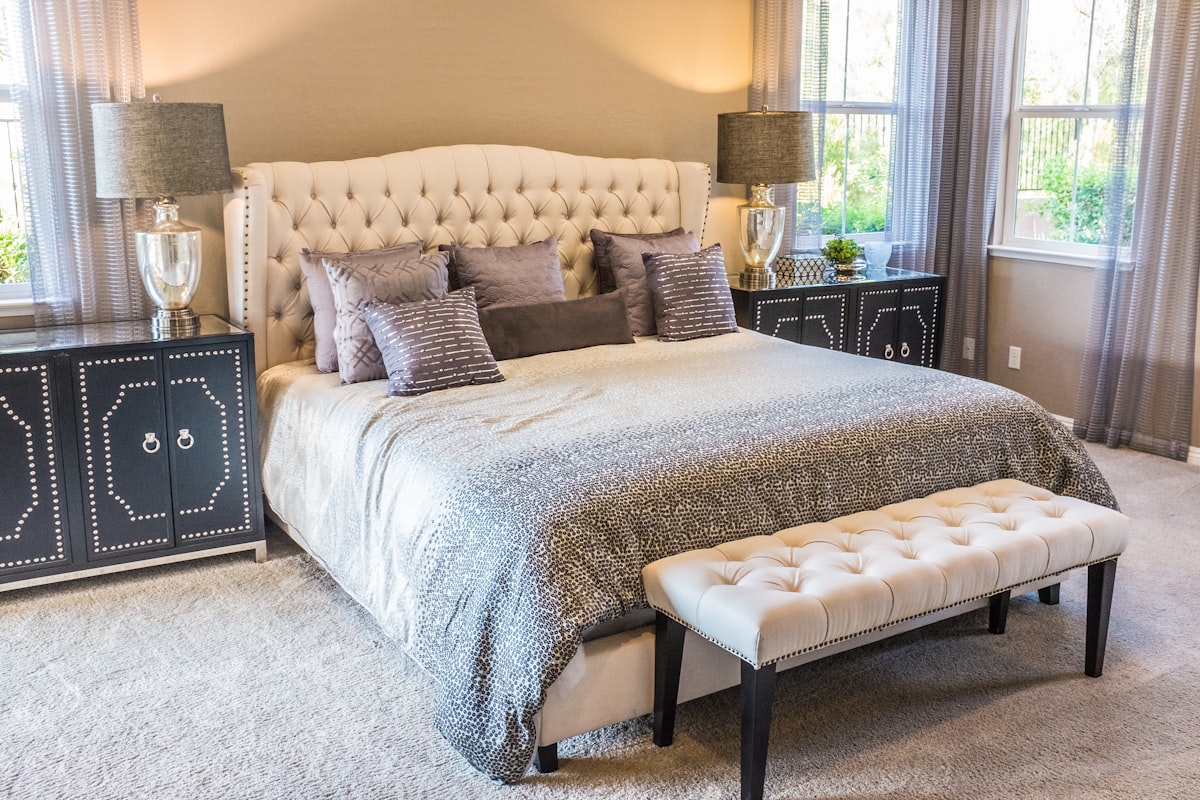
In the bedroom, invisible wellness shows up through reduced clutter, softer light, supportive furniture, and easier nighttime routines. Charging built into furniture can eliminate cable mess. Closed storage cuts down on visual stress. Warm finishes and upholstered or softly detailed pieces create a gentler atmosphere before sleep. Even the way a bed frame anchors the room matters: a stable, functional bed with integrated storage can reduce the need for extra furniture and open up more breathable floor space.
In living rooms, the conversation is less about formal entertaining and more about decompression. The furniture trends highlighted by designers in 2026 emphasize comfort, sculptural presence, and personality, but the best examples also make rooms easier to use. A large sectional, for example, is not simply a style choice. It can help define a softer, slower zone for reading, stretching out, and gathering without the stiffness of overly precious furniture.
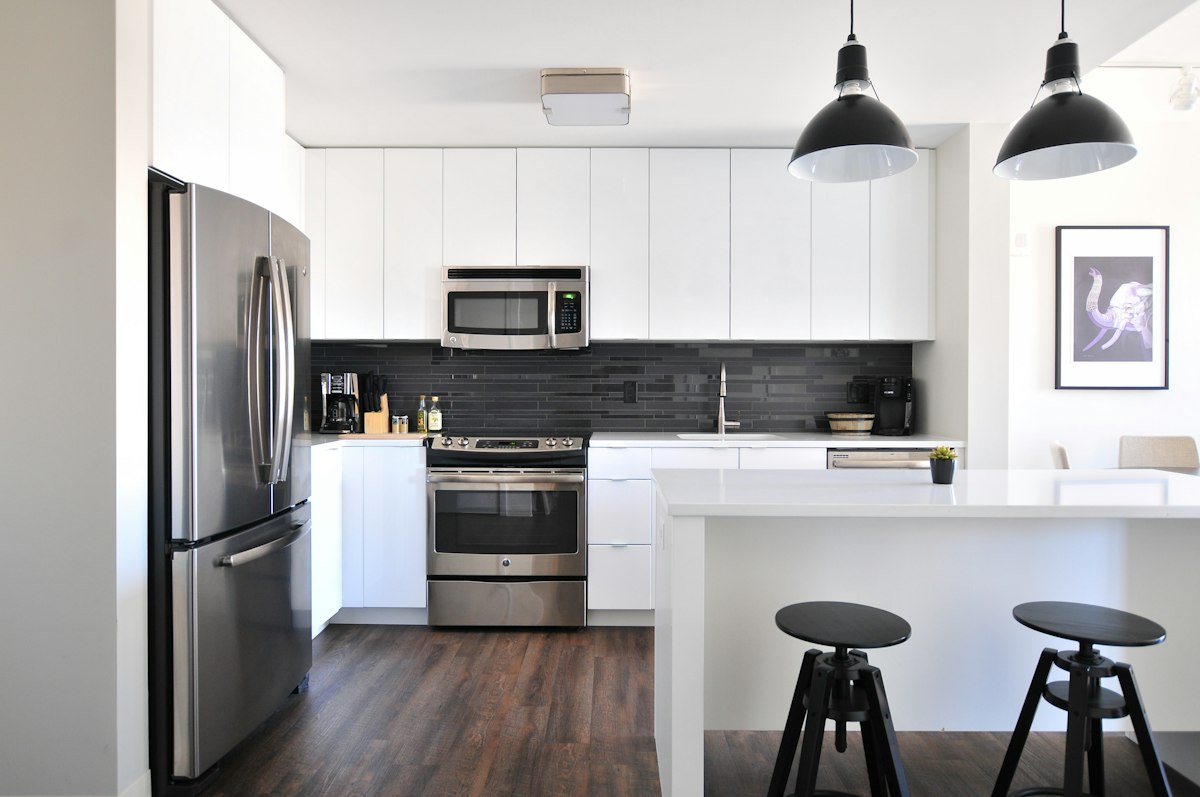
In kitchens and dining areas, invisible wellness often has to do with flow. Better circulation, easier access to everyday tools, and less countertop clutter all reduce low-level stress. Dining furniture that can flex with family rhythms is especially relevant, as homes increasingly need to support both ordinary routines and occasional hosting.
Even the entryway and bedside matter more than people think. A well-placed cabinet, an organized nightstand, or a landing zone that prevents everyday dumping can change how a home feels within seconds of walking through the door. Wellness, in that sense, is cumulative. It is built from dozens of small decisions rather than one dramatic installation.
The materials and furniture choices defining the look
If invisible wellness is the mindset, then natural texture and comfort-forward furniture are the visual language. Designers forecasting 2026 have been especially consistent on a few points: richer wood tones are back, visible grain and imperfect finishes feel more authentic, tactile surfaces are replacing flat minimalism, and statement pieces are being chosen with more intention.
Natural wood is central because it introduces warmth without needing visual clutter. Lighter oak, deeper walnut, and finishes that preserve grain all bring a grounded quality that people instinctively read as calming. Fluted fronts, woven details, linen-like upholstery, and matte finishes also contribute to a softer sensory experience. These are not decorative extras; they help a room feel quieter because they diffuse light differently, add subtle depth, and reduce the harshness of glossy uniform surfaces.
Scale matters too. Wellness-led furniture is not necessarily small or minimal. In fact, 2026 furniture trends show a move toward more generous, anchoring pieces. The difference is that these pieces earn their footprint. A sectional that creates a clear lounging zone, a bed frame that consolidates storage and charging, or a nightstand that hides daily clutter all support well-being through function as much as form.
Lighting is another critical part of the story. Invisible wellness depends heavily on layered light rather than one overhead source. That includes ambient glow, lower visual contrast at night, and furniture or fixtures that help people transition between active and restful hours. The goal is not darkness; it is control. Homes feel better when the light level matches the moment.
How to apply the trend in a real renovation or room refresh
The good news is that invisible wellness does not require a full custom build. It can start with a renovation plan, but it can also begin with targeted furniture upgrades and better room editing. The key is to think less about trends in isolation and more about friction points in your current home.
Start by asking where your home feels effortful. Does the bedroom collect cables, laundry, and visual clutter? Does the living room look nice but fail to support actual relaxation? Is there enough closed storage where stress tends to build? Are the most-used pieces helping or complicating your routines?
From there, focus on three categories. First, improve the sensory baseline. Introduce warmer wood tones, textiles with visible texture, and lighting that can shift with time of day. Second, consolidate function. Furniture that combines charging, storage, and usable surface area tends to outperform decorative filler pieces. Third, protect open space. Not every wellness move involves adding something; often the most powerful change is choosing one more capable piece instead of several small ones competing for attention.
For renovators, this trend also supports a more integrated way of planning. Think about how cabinetry, bedside storage, circulation clearance, and lighting control can make the home feel less demanding. A bedroom renovation that prioritizes hidden storage and layered lighting may improve daily well-being more than a flashy add-on room ever could. Likewise, a living room refresh anchored by one truly comfortable seating piece can transform how often the space is actually used.
Practical takeaways for creating an invisible wellness home
- Choose fewer, better-performing furniture pieces. Prioritize items that combine comfort, storage, and ease of use.
- Layer your lighting. Add softer ambient light for evenings and avoid relying on a single harsh overhead fixture.
- Use natural texture to soften the room. Wood grain, fluting, woven details, and matte finishes make spaces feel less sterile.
- Reduce visible clutter in high-stress zones. Bedrooms, entryways, and living rooms benefit most from closed storage and integrated charging.
- Design around routines, not just appearances. The most successful wellness interiors support how people wake up, work, gather, and wind down.
- Leave breathing room. Clear circulation and a calmer visual field often do more for well-being than adding another trend-driven accent.
Featured Products
If you want to bring this trend home without overcomplicating the process, start with furniture that quietly solves real everyday needs. These pieces align especially well with the invisible wellness mindset.
Queen LED Bed Frame with LED, USB Charging, Storage Drawers White - Vektaya

Price: $449.99
A supportive sleep setup starts with function. This bed frame combines soft ambient lighting, integrated charging, and hidden storage, making the bedroom feel less cluttered and more restorative.
Fluted LED Nightstand with Charging Station, Drawer Side Tables, Oak - Vektaya

Price: $139.99
Invisible wellness often lives in the small details. A nightstand with charging, enclosed storage, and warm oak texture reduces visual noise while keeping essentials close at hand.
107" L-Shaped Modular Sectional Sofa with Chaise, Beige - Vektaya

Price: $579.99
Comfort-forward seating is central to wellness-led living rooms. Deep seating and a soft neutral palette help create a space that encourages slower evenings, conversation, and recovery.
Conclusion
Invisible wellness is more than a buzzword. It reflects a broader 2026 shift toward homes that are warmer, more personal, and genuinely supportive of daily life. Instead of reserving well-being for one aspirational corner of the house, this trend asks a better question: how can every room help you feel a little calmer, more organized, and more at ease?
The answer usually starts with better fundamentals: thoughtful storage, layered lighting, tactile materials, and furniture that works hard without looking busy. When those pieces come together, the result is a home that does not just photograph beautifully. It lives beautifully too.
If you are planning a refresh this season, explore Vektaya’s collection of comfort-led furniture and storage solutions to build a home that feels as good as it looks.
0 comments