Every year has a design phrase that gets repeated until it loses its edge. For 2026, the more useful shift is not a slogan; it is a change in how people expect their homes to perform. The most interesting interiors appearing in current design coverage are not sterile showrooms or purely decorative renovations. They are character-rich, hardworking rooms: compact apartments with custom joinery, family spaces that switch from quiet evenings to hosting, warm material palettes that soften practical storage, and furniture that earns its footprint every day.
Recent furniture and interiors stories point in the same direction from several angles. Dezeen's late-June coverage highlighted custom furniture for a major interiors revamp at Mexico City's Azteca Stadium, adaptive reuse in a transformed Brooklyn warehouse, affordable-material apartment renovation, and compact Warsaw living shaped by efficiency and bespoke joinery. Those projects differ in scale, but the underlying message is consistent: people want homes with personality, but they also want solutions that solve real constraints. A room should look considered, store more, feel warmer, and adapt without demanding a full rebuild.
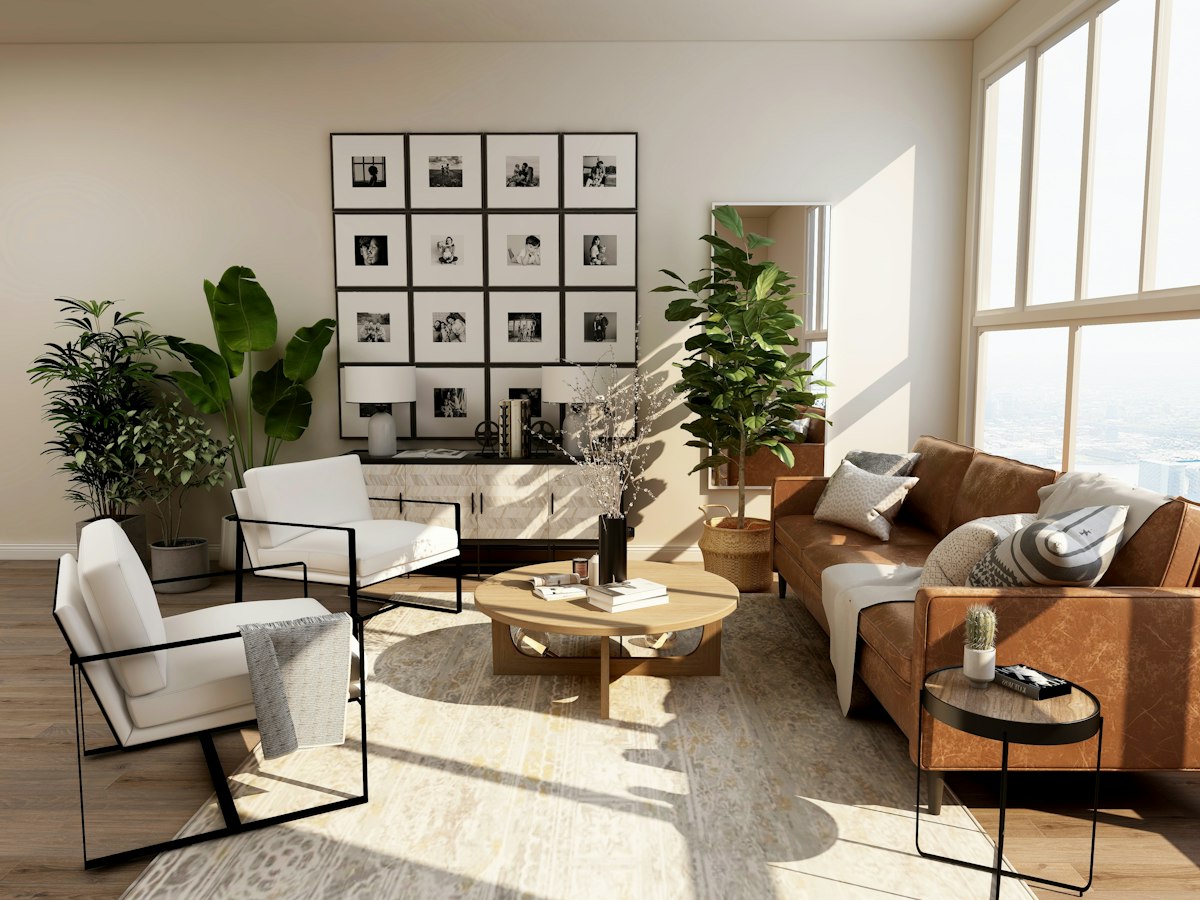
That is why the next strong home trend is best described as the character-rich functional home. It blends the warmth of natural and tactile materials with flexible layouts, storage-led renovation, and furniture that can support multiple routines. It is especially relevant for apartments, townhomes, guest rooms, open-plan living areas, and anyone refreshing a home without treating renovation as a blank-check project.
1. Character Is Moving From Decoration to Built-In Function
For a long time, adding character often meant adding accessories: a patterned rug, an accent chair, a gallery wall, or a dramatic light fixture. Those still matter, but the current trend is deeper. Character is being built into the bones of everyday function. Think fluted cabinet fronts, warm wood storage walls, arched shelving, integrated benches, concealed charging, tailored pantry storage, and compact furniture that gives a plain room a stronger architectural rhythm.
This is partly a reaction against overly white, overly minimal interiors. Homeowners still want calm spaces, but they do not want rooms that feel empty or temporary. Warm woods, woven textures, ribbed panels, stone-look surfaces, and soft upholstery create visual weight without making a room feel busy. The best version of this trend is not maximalism. It is practical depth: materials and forms that make basic storage, seating, and work zones feel intentional.
In renovation terms, that means looking first at the surfaces and furniture pieces people touch every day. A sideboard can be more than a box for dishes if its front has texture and the top can style a lamp, tray, or seasonal arrangement. A nightstand can become part of the room's utility system if it includes drawers and a charging station. A sofa can establish the entire tone of a living room if its scale, fabric, and modularity are right.
The important lesson is that character should not compete with function. It should make function feel permanent. If a storage piece looks like an afterthought, clutter will always win. If the same storage piece feels like part of the room's design language, people are more likely to use it, maintain it, and build the rest of the space around it.
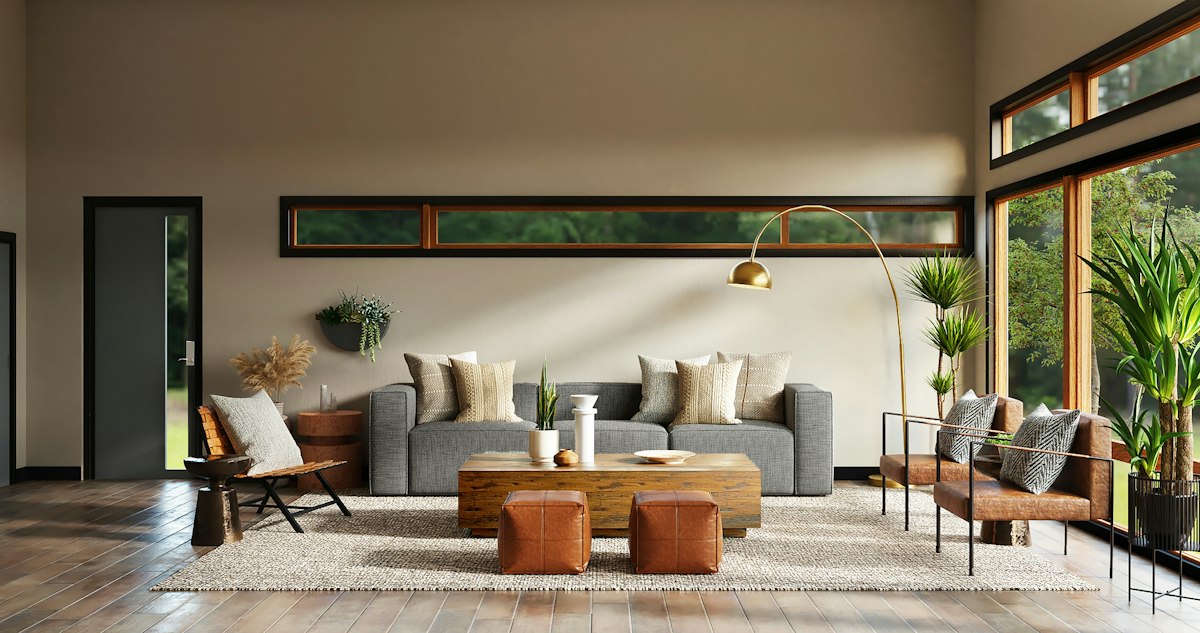
2. Flexible Rooms Are Becoming the Real Luxury
Flexibility used to be treated as a small-space concern. Now it is a broad expectation. Even larger homes are being asked to support overlapping routines: remote work, weekend guests, children doing homework, evening streaming, meal prep, hobby storage, and occasional entertaining. The result is a shift away from single-purpose rooms and toward zones that can change role without looking chaotic.
This does not require every item to fold, slide, or transform. The more realistic approach is to choose furniture that can support several modes of living. A modular sectional can anchor a movie night, divide an open plan, create a reading corner, or accommodate guests. A buffet cabinet can store dining pieces, hide board games, support a coffee station, or become a hallway landing zone. A vanity or desk can turn an unused corner into a daily routine station when storage and lighting are built in.
Flexible design also changes how people renovate. Instead of asking, "What style do I want?" a better first question is, "What does this room need to do in a normal week?" From there, layout becomes more honest. If the living room is also a guest lounge and a family media room, seating depth and washable textures matter. If the kitchen lacks storage, a pantry cabinet may improve daily life more than replacing every finish. If the bedroom is small, a nightstand with drawers and charging can remove the need for extra cables, bins, and floating shelves.
The strongest flexible rooms are not packed with furniture. They are edited. Each piece has a job, and ideally more than one job. That is the difference between a multifunctional home and a crowded one.
3. Warm Materials Make Practical Choices Feel Designed
Storage-first design can become cold if it is handled only as problem solving. The current renovation mood avoids that by wrapping function in warmer materials. Wood tones, rattan details, corduroy, linen-look fabrics, fluted panels, and muted neutrals are doing a lot of work because they soften the visual impact of cabinets, sofas, and utility furniture.
This is why warm minimalism keeps evolving rather than disappearing. People still like clean lines and uncluttered surfaces, but they increasingly want those surfaces to have grain, shadow, and touch. A beige sofa in a soft fabric feels more relaxed than a sharp white one. A walnut or caramel-oak storage piece feels less utilitarian than a flat laminate box. Fluted cabinet doors create highlights and shadows even when the color palette stays quiet.
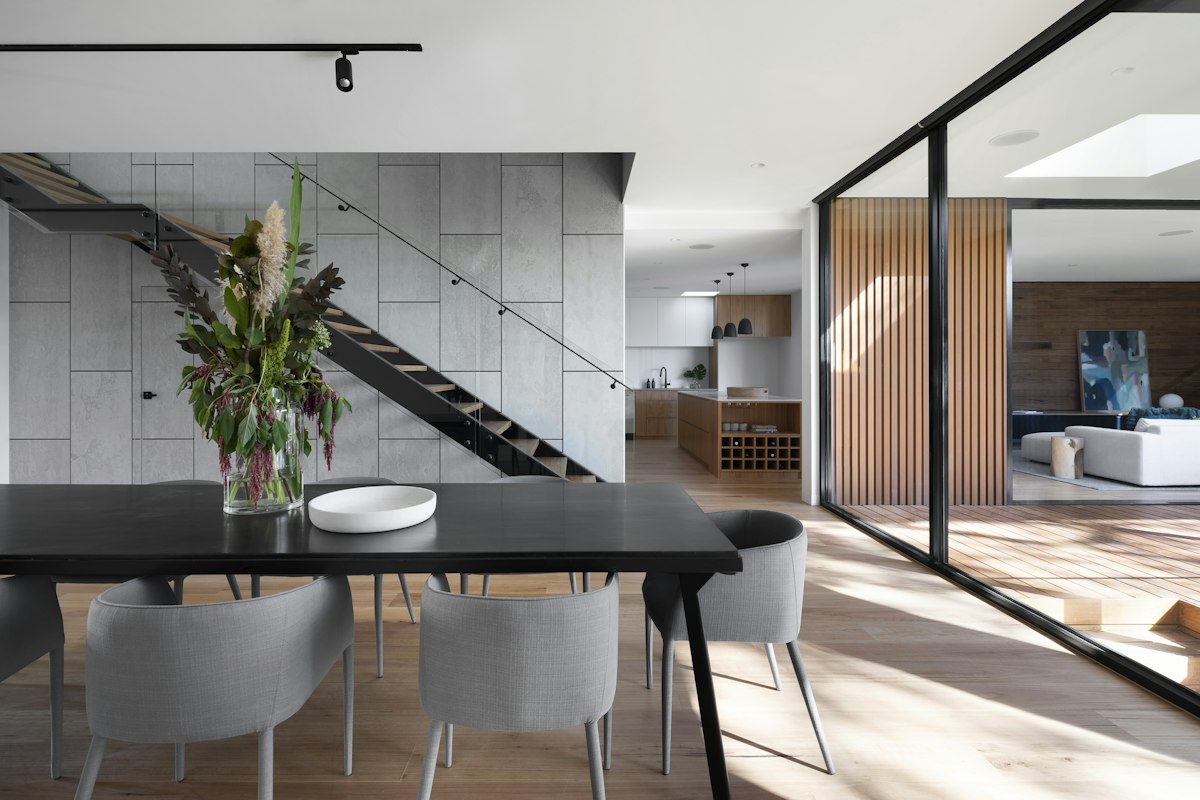
For homeowners, the practical takeaway is to use texture where the room needs both organization and atmosphere. If a room feels cluttered, do not solve it with open shelving alone. Mix closed storage with a few display moments. If a room feels flat, choose one major furniture item with tactile surface interest rather than scattering small decorative objects everywhere. If a renovation budget is limited, upgrading the main storage or seating piece can shift the entire mood without touching walls, floors, or built-ins.
Warm materials also age more gracefully. The more a home is used, the more important it becomes for furniture to hide minor wear, reflect light softly, and coordinate with changing decor. Character-rich function is not about chasing a loud trend; it is about making practical rooms feel human.
4. Storage Is Becoming Part of the Floor Plan
The biggest mistake in many home refreshes is treating storage as something to add after the room is designed. In 2026 interiors, storage is increasingly the plan. Built-ins, tall cabinets, storage sofas, expandable sideboards, pantry walls, and drawer-heavy bedroom furniture are shaping how rooms are arranged from the beginning.
This is especially important in open-plan spaces. When the kitchen, dining area, and living room share sightlines, visible clutter travels. A single messy surface can make the entire floor feel unfinished. Closed storage gives the room a reset button. It lets everyday life happen without making everyday objects the main view.
But storage should be specific. Generic storage often becomes a dumping ground. Better storage answers clear questions: Where do chargers live? Where do extra throws go? Where are serving pieces stored? Where can beauty tools, paperwork, pet items, or children's supplies disappear quickly? Once those questions are answered, furniture selection becomes easier. A tall cabinet may be right for pantry overflow. A fluted buffet may be right for a dining-living transition. A nightstand with drawers may be the small fix that improves an entire bedroom routine.
The best storage-led interiors also leave room for beauty. Closed cabinets handle the mess; open surfaces hold a lamp, vase, art book, or tray. That balance is what makes functional design feel finished rather than merely organized.
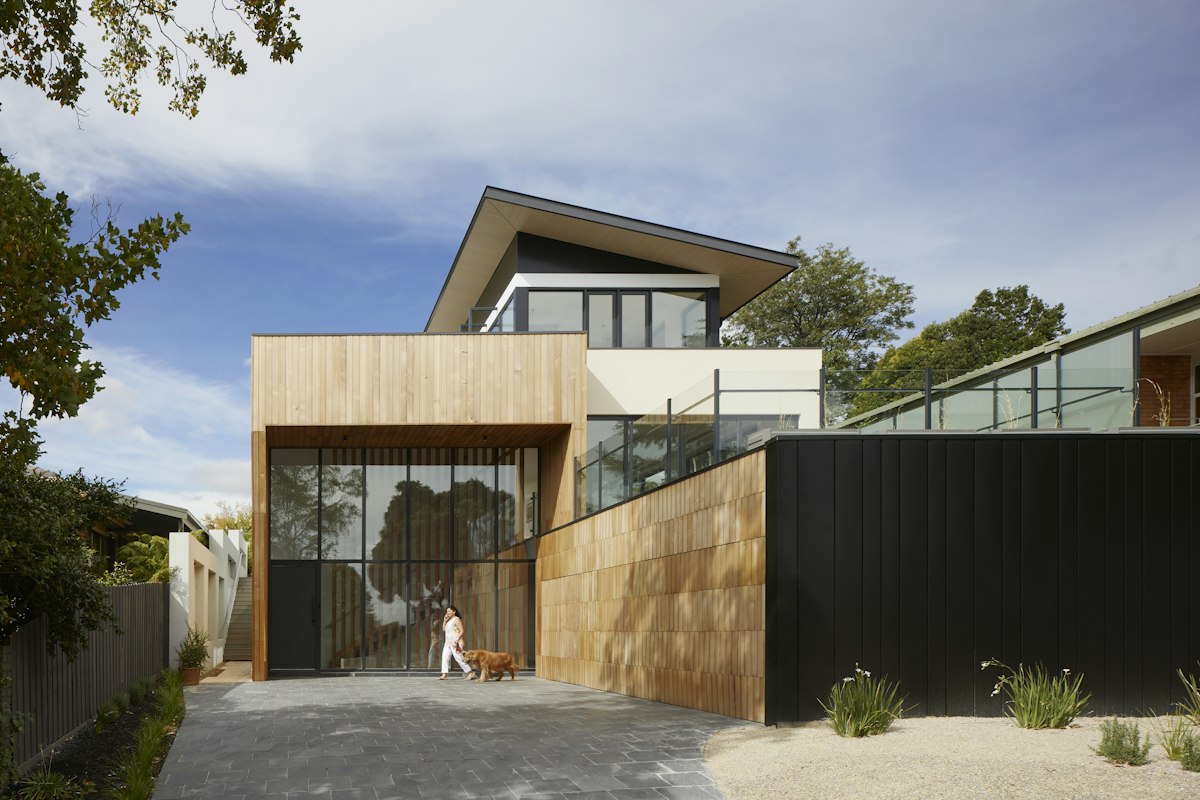
5. How to Apply the Trend Without Over-Renovating
The character-rich functional home is useful because it can be scaled. You do not need a full renovation to participate. Start with the room where friction is highest. If the living room never feels settled, focus on seating and media storage. If the kitchen is short on space, consider pantry-style storage or a sideboard before changing finishes. If the bedroom is cluttered by devices and small items, improve bedside storage and cable management first.
Then choose one material direction and repeat it. Warm oak, walnut, caramel wood, rattan, beige upholstery, and fluted panels can coordinate across rooms without matching perfectly. Repetition creates continuity; slight variation keeps the home from looking like a showroom set.
Finally, edit before buying. Remove what the room no longer needs, measure the real circulation path, and identify the surfaces that attract clutter. The goal is not to add more furniture. The goal is to replace weak pieces with stronger ones: furniture that stores, zones, softens, and supports the way the household actually lives.
Practical Takeaways
- Prioritize daily friction. Upgrade the room or corner that causes the most clutter, discomfort, or wasted space.
- Choose furniture with more than one job. Look for seating that zones a room, cabinets that style and store, and tables or nightstands that add utility.
- Use warm texture to soften function. Fluted panels, rattan, wood tones, and tactile upholstery make practical pieces feel designed.
- Plan closed storage first. Open shelving is beautiful only when the hidden storage is strong enough to handle the everyday mess.
- Repeat materials, not exact matches. A consistent palette of warm neutrals and wood finishes creates cohesion while keeping rooms personal.
Featured Products
These Vektaya pieces fit the character-rich functional home because each one adds comfort, storage, or everyday utility while supporting a warmer, more flexible interior palette.
62" Buffet Cabinet Fluted - Vektaya

This piece supports the trend's core idea: furniture should make the room calmer and more capable. Use it as an anchor for storage, styling, or daily routines while adding a more intentional look than a purely decorative accent.
23" Fluted LED Nightstand with Charging Station, Drawers, Oak - Vektaya

This recommendation adds everyday organization without sacrificing the room's visual character. It is the kind of practical furniture that helps a compact zone feel planned, whether it supports storage, charging, display, or a daily getting-ready routine.
15"–30" Expandable Sideboard with 3 Drawers, White - Vektaya

Small utility pieces matter in a flexible home. A nightstand, vanity, or drawer-rich corner piece can clean up daily routines, keep devices organized, and make a compact bedroom or dressing area feel intentionally planned.
Conclusion: Design for the Life Your Home Actually Holds
The strongest interiors of 2026 are not trying to look untouched. They are designed for real movement: cooking, resting, working, gathering, resetting, and storing the objects that make daily life possible. Character-rich function brings those needs together. It lets a home feel warm without becoming cluttered, practical without becoming plain, and flexible without feeling temporary.
If you are planning a refresh, begin with one hardworking anchor piece: a sectional that reshapes the living room, a storage cabinet that clears visual noise, or a utility piece that improves a daily routine. Explore Vektaya's latest furniture collections to build a home that feels personal, organized, and ready for the way you actually live.
Research Notes
This article was informed by current furniture, interiors, and renovation coverage from design publishers and news search feeds reviewed on 2026-06-26:
- Plan Plan uses "affordable materials" for Brooklyn apartment renovation (Dezeen interiors)
- Studio Elèn Letort completes "expressive and characterful" renovation of historic Amsterdam apartment (Dezeen interiors)
- Compact Warsaw apartment evokes "ingenuity and efficiency" of maritime architecture (Dezeen interiors)
- This Space-Saving Gem Solved My Narrow Entryway’s Shoe Storage Problem (and It’s on Sale!) (Apartment Therapy)
- I Showed a Designer My Small Patio — Her Smart Tips Made It Functional (Apartment Therapy)
0 commenti