The freshest interiors story today is not about buying more things. It is about making rooms feel more collected, more colorful, and more intentional. Current design coverage is pointing in the same direction from several angles: a Chicago Victorian celebrated for vibrant hues and vintage detail, a compact Toronto loft renovation where every inch feels deliberate, pocket gardens that pull daylight and nature into small homes, art deco references returning to apartment renovations, and chalet-inspired hospitality interiors that lean on warmth instead of sterile polish. The common thread is a move away from flat, anonymous rooms and toward homes with memory, texture, and useful layers.
Call it collected maximalism. Unlike cluttered maximalism, the collected version has discipline. It welcomes pattern, saturated color, books, art, warm wood, vintage-inspired pieces, and personal objects, but it also depends on storage, editing, and furniture that can carry visual weight. A room can be expressive and still be easy to live in. In fact, the best version of the trend works because the practical furniture is doing more of the work: a cabinet hides the daily mess, a sofa anchors the social zone, a textured TV stand gives the wall architecture, and a nightstand or vanity keeps routines organized.
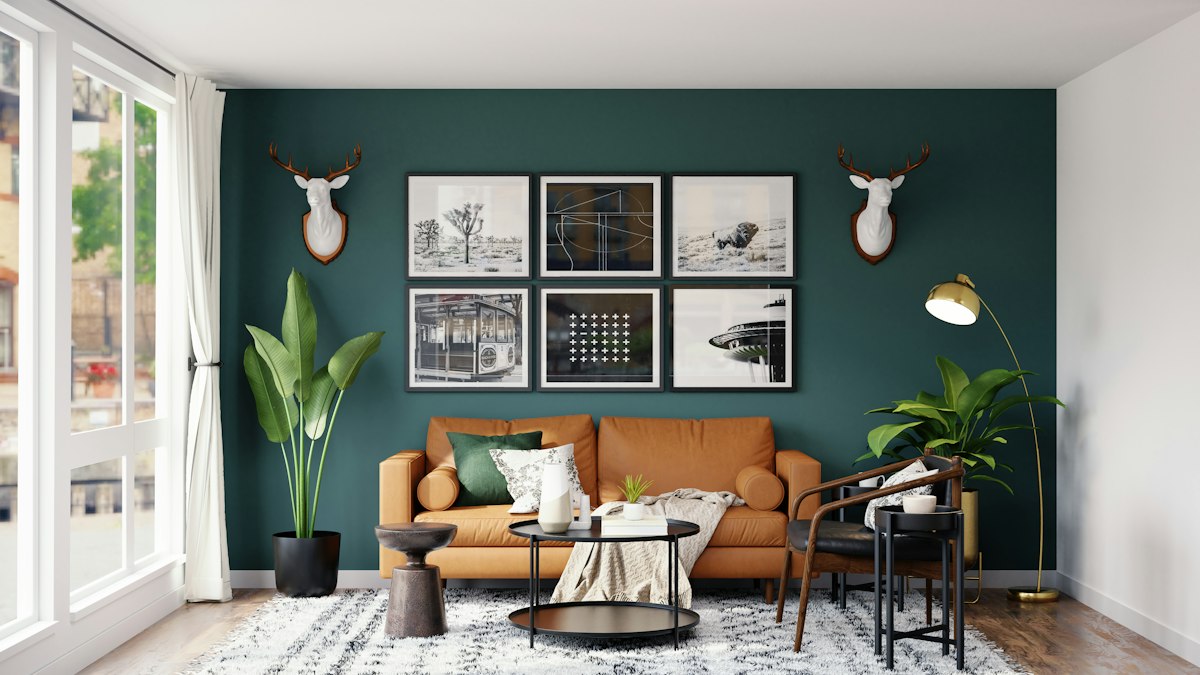
For homeowners, renters, and renovation planners, this trend is useful because it does not require a complete reset. You can keep a neutral base and add stronger personality through furniture, color placement, fabric, art, lighting, and objects with age. You can also make small spaces feel more generous by choosing pieces that combine storage with character. The result is a home that looks layered instead of busy, personal instead of random, and current without feeling like a short-lived social-media set.
1. Why Collected Maximalism Feels Right Now
After years of pale minimal rooms, many people are craving interiors that feel human again. The minimalist ideal promised calm, but in real homes it often created pressure: every item had to disappear, every surface had to stay empty, and every practical object became a visual problem. Collected maximalism takes a more forgiving approach. It accepts that homes contain books, chargers, blankets, beauty tools, hobbies, family pieces, and seasonal objects. The design task is not to erase all of that life; it is to give it structure.
This is why the trend is appearing alongside renovation stories rather than only styling stories. When a home has architectural character, restored details, deeper color, or a smart storage plan, it does not need constant decorative filler. A renovated Victorian can carry pattern because its rooms have strong bones. A compact loft can feel warm because the layout and storage are intentional. A small courtyard can make an interior feel richer because the view, light, and greenery become part of the room. Collected maximalism is less about excess and more about giving each zone a point of view.
The shift also reflects how people use their homes now. Living rooms double as workspaces and media rooms. Bedrooms need to support sleep, charging, storage, and getting ready. Dining areas may be homework stations, craft surfaces, or compact entertaining zones. A bare room is rarely the most functional room. A layered room with closed storage, durable upholstery, good lighting, and a few expressive details is more realistic and more comfortable.
The key is hierarchy. Pick one or two visual leaders in a room, then let everything else support them. A bold rug can lead, with a calm sofa and warm cabinet behind it. A fluted sideboard can lead, with art and lamps above. A wall of books can lead, while the seating stays simple. Without hierarchy, maximalism becomes noise. With hierarchy, it becomes personality.
2. Color and Pattern Are Back, But They Need Anchors
The most visible part of the trend is color. Editors are paying attention to vibrant hues, pattern-on-pattern rooms, and architectural color because they photograph with energy and feel like a reaction against safe beige. But the best colorful interiors still need anchors. Saturated walls, patterned textiles, and vintage art look more expensive when they sit near sturdy furniture in warm wood, cream upholstery, black accents, or natural textures.
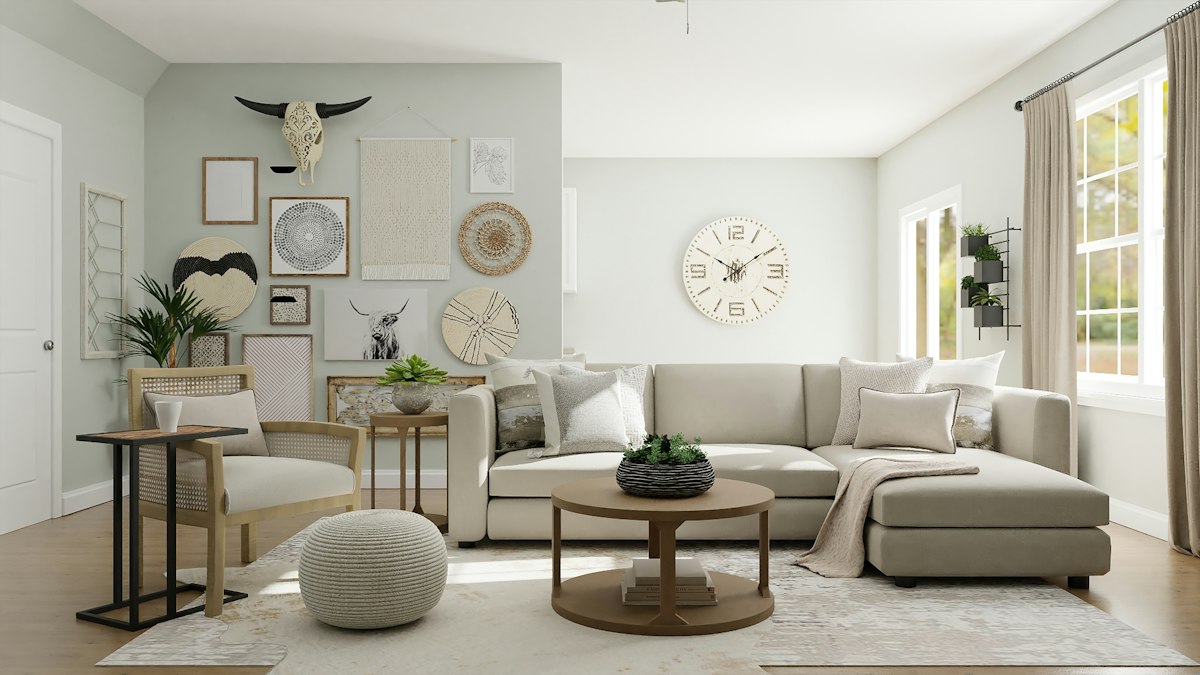
If you are cautious with color, start with the 70-20-10 rule. Let roughly seventy percent of the room stay calm: walls, larger upholstery, or main flooring. Use twenty percent for supporting warmth, such as walnut, oak, rattan, brass, caramel, or soft brown. Save ten percent for the bolder move: a patterned pillow mix, a painted cabinet wall, a vintage landscape, a colorful lamp, or a richly colored rug. This keeps the room from feeling like a theme while still moving it beyond plain minimalism.
Pattern works the same way. Mix scale before you mix everything else. A large botanical print can pair with a small stripe. A geometric rug can work with a loose floral cushion. Books and art can become a kind of visual pattern if the furniture around them is clean. What usually fails is using multiple tiny patterns with no breathing room. Give pattern a quiet neighbor: a plain sofa, a closed cabinet, a simple nightstand, or a broad wood surface.
For renovation projects, consider color in the places that are easiest to maintain. Powder rooms, dining nooks, built-in shelves, bedroom headboard walls, mudrooms, and pantry areas can handle stronger decisions because they are contained. For renters, the equivalent is furniture and textiles: a colorful throw, framed prints, removable wallpaper inside a bookcase, a patterned rug, or a textured storage piece that breaks up white walls.
3. Vintage Detail Works Best With Modern Function
Vintage detail is another strong signal in current interiors coverage. Art deco references, collected antiques, older silhouettes, and residential warmth are being used to make new renovations feel less generic. But the most livable homes do not simply recreate the past. They combine the romance of vintage detail with the convenience of modern function.
That might mean pairing an antique mirror with a vanity desk that has real drawer capacity and lighting. It might mean placing vintage art above a media cabinet that hides routers, remotes, and game controllers. It might mean using a classic rattan texture on a TV stand while still choosing a size that fits a modern screen. The look feels collected because the decorative language has history, while the room still supports contemporary routines.
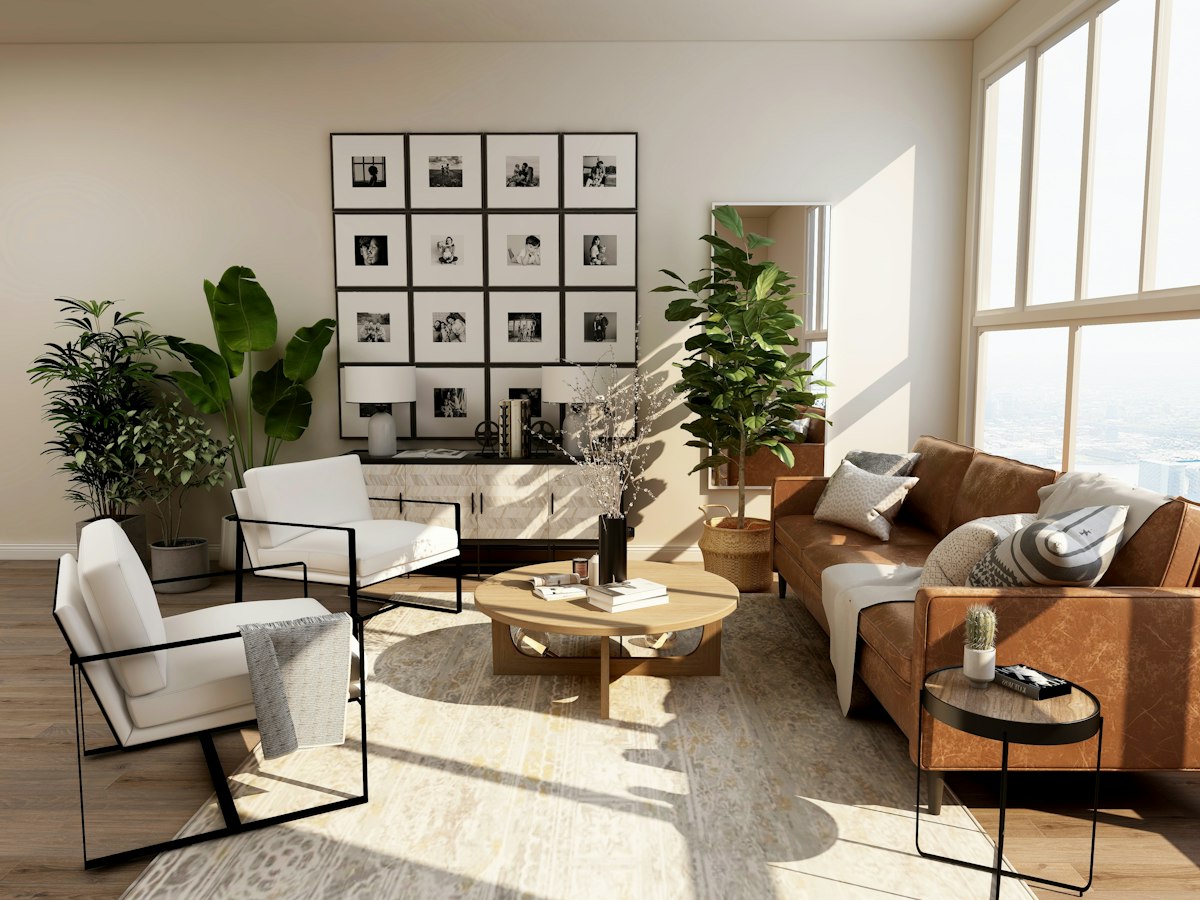
The best way to apply this idea is to let new furniture solve problems and let vintage or vintage-inspired pieces add soul. Do not force an old piece to do a job it cannot do well. A fragile antique cabinet may be beautiful, but it may not be right for heavy pantry storage. A vintage chair may have charm, but it may not support daily lounging. Instead, combine durable new anchors with smaller older objects: framed art, ceramics, lamps, trays, side tables, textiles, and hardware. That balance keeps the room romantic without making it inconvenient.
Material choices matter here. Rattan, fluting, carved profiles, turned legs, warm wood grain, aged brass, linen, velvet, and stone all carry a sense of touch. Even when they are used on new furniture, they make a room feel less mass-produced. A single tactile piece can make white walls feel intentional rather than unfinished.
4. Storage Is the Secret to Making Maximalism Livable
Collected rooms need storage more than minimalist rooms do. The more books, textiles, art supplies, entertaining pieces, and everyday tools you own, the more important it is to decide what should be visible. Open display is powerful when it is selective. It becomes exhausting when every necessity is on show.
Start each room by listing the visual clutter categories. In a living room, that may be remotes, cables, blankets, kids' items, games, and extra pillows. In a kitchen or dining area, it may be pantry overflow, serving pieces, linens, appliances, and pet supplies. In a bedroom, it may be chargers, skincare, hair tools, sleep masks, books, and off-season accessories. Once the clutter category is named, choose furniture that hides the repetitive items and leaves surfaces free for the meaningful ones.
This is where sideboards, buffets, TV stands, nightstands, pantry cabinets, and drawer-rich desks become design pieces rather than background furniture. Closed doors and drawers create calm. Textured fronts create interest. A strong top surface creates a stage for a lamp, plant, vase, framed print, or small stack of books. The room can hold more life because the furniture is absorbing the mess.
If you are refreshing a space this season, buy the storage anchor before the accessories. Accessories are easier to choose after the room has a functional backbone. A buffet can tell you how much wall art you need. A TV stand can determine whether the room needs baskets or not. A sofa can clarify rug size and side table height. Starting with small decor often leads to visual clutter; starting with functional anchors creates order.
Practical Takeaways
- Choose one expressive idea per room: bold color, pattern, art, books, vintage detail, or strong texture.
- Balance expressive details with practical anchors such as a storage cabinet, buffet, TV stand, sofa, or nightstand.
- Use closed storage for repetitive everyday items and open display for objects with meaning or beauty.
- Mix old and new deliberately: let modern furniture handle durability, scale, and charging needs, then layer vintage art, lighting, or ceramics for soul.
- Repeat a color or material at least twice so the room feels composed rather than accidental.
- Give pattern a quiet neighbor. A bold textile looks better beside solid upholstery, warm wood, or a simple wall color.
- For small homes, treat daylight, greenery, mirrors, and low-profile storage as part of the design plan, not afterthoughts.
Featured Products for a Collected, Color-Rich Home
62" Buffet Cabinet Fluted

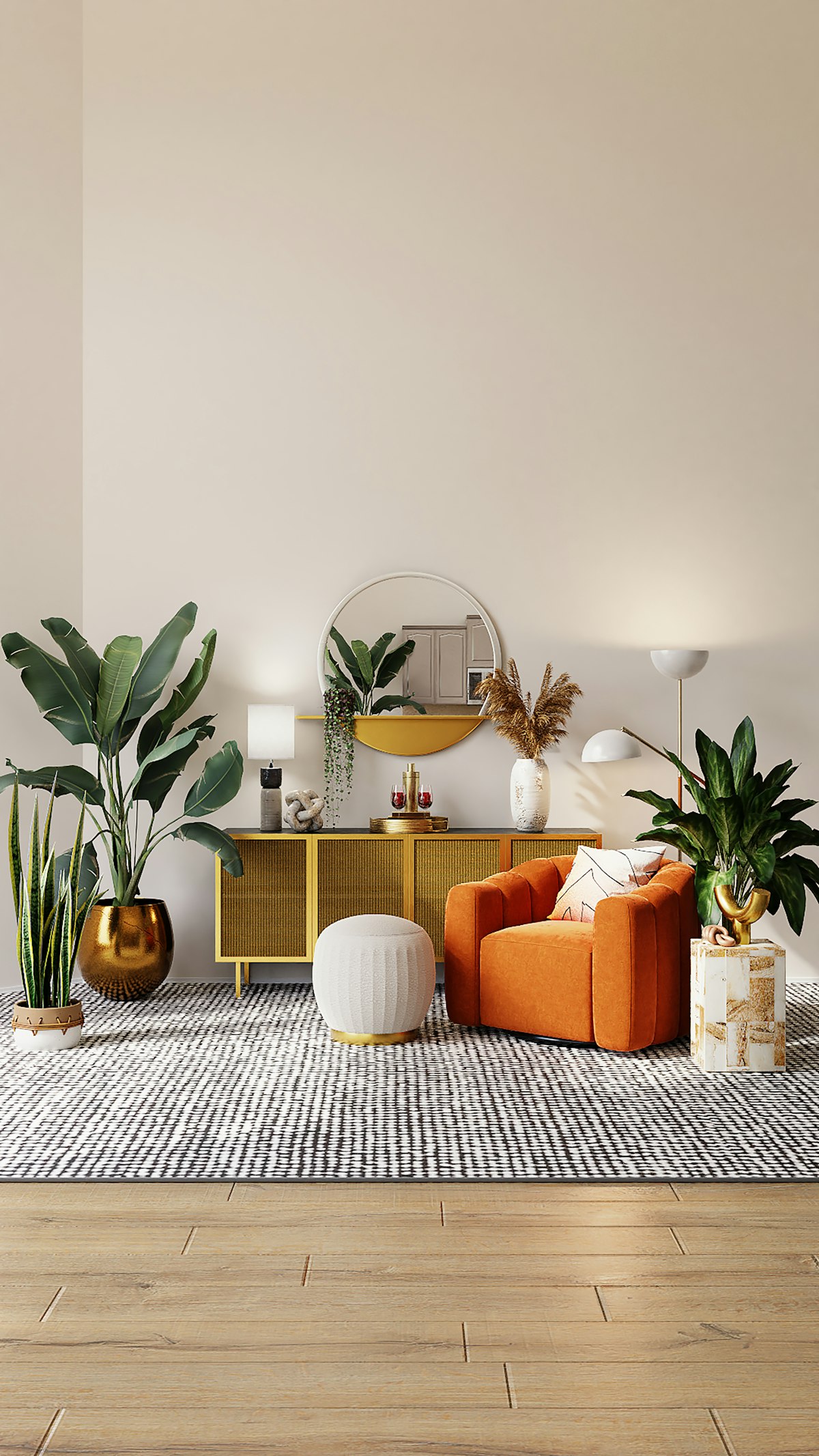
A fluted buffet cabinet is an ideal anchor for collected maximalism because it adds texture without adding visual mess. Use it in a dining room, hallway, living room, or open-plan kitchen zone to hide table linens, serving pieces, paperwork, devices, or seasonal decor. The fluted surface gives the wall rhythm, while the closed storage keeps colorful styling from tipping into clutter.
Best for: dining rooms, entryways, and living areas that need closed storage plus tactile detail
Price: $208.99
61.5" Rattan TV Stand for TVs up to 65", 4-Door, Walnut

A rattan TV stand brings warmth and vintage-inspired texture to the most technology-heavy wall in the home. It can soften a large screen, conceal media accessories, and create a natural base for art, books, ceramics, or a sculptural lamp. The woven detail works especially well with saturated paint, patterned rugs, and collected artwork.
Best for: media walls that need warmth, cable control, and a vintage-inspired natural texture
Price: $239.99
Shop 61.5" Rattan TV Stand for TVs up to 65", 4-Door, Walnut
107" L-Shaped Modular Sectional Sofa with Chaise, Beige

A neutral sectional sofa gives a maximalist room somewhere calm to land. If you want to experiment with color, pattern, books, art, and vintage accessories, a generous beige sofa can hold the center while everything around it gets more expressive. It also helps define an open living zone without needing extra visual clutter.
Best for: living rooms where colorful art, rugs, and accessories need a comfortable neutral anchor
Price: $299.99
Shop 107" L-Shaped Modular Sectional Sofa with Chaise, Beige
Conclusion: Make It Expressive, Then Make It Work
Collected maximalism is gaining traction because it answers two real needs at once. People want homes with more feeling, color, memory, and individuality. They also need rooms that handle daily routines, technology, storage, guests, work, and rest. The trend succeeds when those needs support each other. A cabinet is not just a place to hide clutter; it is a surface for art and a source of texture. A sofa is not just seating; it is the calm center that lets the rest of the room become more adventurous. A vintage detail is not just nostalgia; it is a way to make a modern home feel rooted.
If your home feels flat, do not start by buying random decor. Start by choosing the room's anchor, deciding what should be hidden, and selecting one expressive layer that makes you happy every time you walk in. Then build slowly: color, pattern, lighting, books, greenery, and objects with a story. The result will feel collected, not crowded.
Ready to bring more warmth, storage, and personality into your space? Explore Vektaya furniture for practical anchors that give colorful, character-rich rooms the structure they need.
Research Signals Behind This Article
- House Beautiful (2026-07-16): Vibrant Hues and Vintage Details Color Every Room of This Chicago Victorian — pattern-on-pattern rooms, saturated color, and vintage details are being framed as a fresh alternative to safe minimal interiors.
- Apartment Therapy (2026-07-16): He Gutted This 700-Square-Foot Loft — Now Every Inch Feels Intentional — compact renovation coverage is highlighting warm, artful, every-inch-counts interiors rather than empty white rooms.
- Dezeen (2026-07-12): Eight pocket gardens and mini courtyards that draw light into the home — interior design is bringing nature, daylight, and small outdoor moments into compact homes.
- Dezeen (2026-07-13): YSG draws on art deco for Sydney apartment revamp — renovations are restoring warm hues, period references, and decorative architectural character.
- Design Milk (2026-07-15): Studio Coco Greenblum Brings Warmth to Bumble’s Aspen Chalet — residential warmth, vintage furnishings, and architectural color are replacing generic branded or showroom-like spaces.
0 comments