Storage-First Interiors: The 2026 Furniture Trend Making Homes Feel Calmer
Open any design feed this week and a clear pattern appears: people still want beautiful rooms, but they are no longer willing to trade everyday function for a perfect photograph. The freshest interiors of 2026 are not defined by a single color, chair shape, or celebrity-approved finish. They are being shaped by a more practical question: where does everything go?
That question is pushing storage-first interiors into the spotlight. Recent furniture and renovation coverage points in the same direction from several angles. Architectural Digest's June 19 roundup of storage coffee tables shows that even the living room's most visible surface is being asked to work harder. Apartment Therapy's same-day renovation stories focused on built-ins, hidden bedroom shelving, and wraparound kitchen storage, proving that homeowners and renters are looking for capacity in places that used to be decorative dead space. Meanwhile, Dezeen's 3 Days of Design furniture reporting highlighted expressive seating and material-led pieces, reminding us that utility does not have to look flat or purely functional.
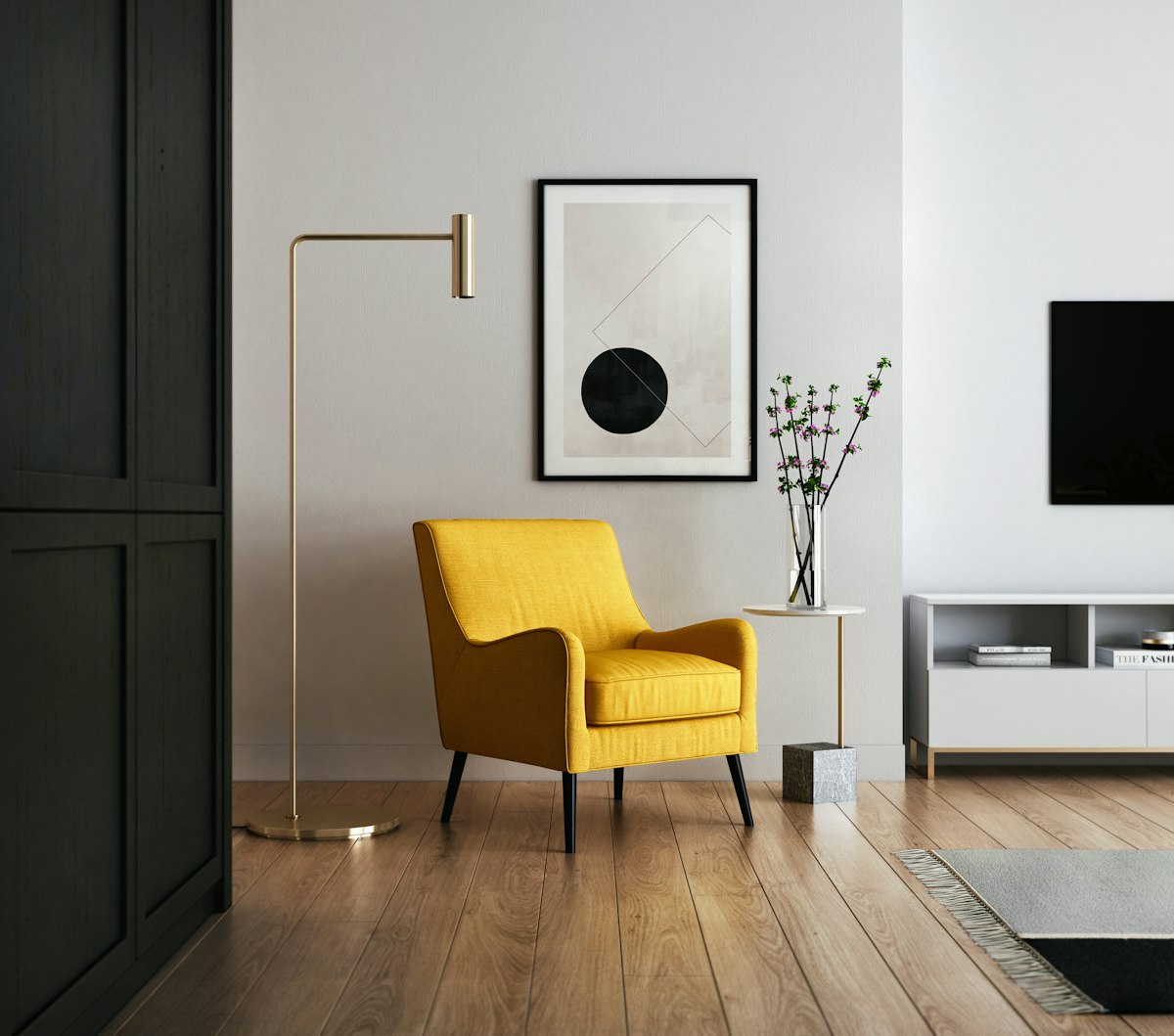
The result is a trend that feels unusually durable. Storage-first design is not about buying more bins or hiding life behind cabinet doors. It is about planning rooms around the routines that actually happen there: charging devices, dropping keys, storing beauty tools, hosting friends, folding throws, managing pantry overflow, and keeping children's or pets' items from taking over the floor. When furniture handles those jobs gracefully, the home feels calmer without becoming sterile.
1. Why Storage Became the New Luxury
For years, interior design treated luxury as a visual language: rare stone, sculptural lighting, imported textiles, dramatic silhouettes. Those things still matter, but the definition has broadened. In a home that doubles as office, gym, guest suite, media room, homework station, and social space, the true luxury is not only what a room looks like. It is how quickly it can reset.
This is why storage is moving from a background feature to a headline design decision. A coffee table with drawers, a sideboard with concealed compartments, a nightstand with charging, or a vanity with organized drawers can change the way a room behaves. The piece does not merely occupy space; it actively reduces friction. Instead of carrying clutter from one room to another, the room itself gives each category a sensible place to land.
The timing also makes sense economically. Full renovations are expensive, and many households are making targeted improvements instead of tearing out whole rooms. Storage-forward furniture offers a middle path. It can solve some of the same pain points as a renovation—poor flow, visual clutter, lack of zones, insufficient kitchen capacity—without requiring demolition. A renter can add a tall pantry cabinet. A homeowner can use a sideboard to create a dining-room storage wall. A small apartment can gain an office corner through a desk with drawers and power access.
There is also an emotional reason behind the trend. After years of maximalist collecting, fast decor cycles, and homes working harder than ever, many people want a lighter visual field. That does not necessarily mean minimalism. It means the ability to display what feels intentional and store what is useful but visually noisy. Storage-first interiors let personality remain visible while the administrative layer of home life stays controlled.
2. Built-Ins, Freestanding Pieces, and the Renovation Middle Ground
The strongest renovation stories right now often blur the line between custom construction and clever furniture. Built-in shelving remains desirable because it makes a room look architectural, but freestanding storage pieces can create a similar effect when they are chosen carefully and styled as part of the room rather than as an afterthought.
Apartment Therapy's recent coverage of IKEA BILLY built-ins is a good example of why this approach resonates. The appeal is not just the shelf count. It is the transformation of an awkward wall into a focal point that feels intentional. The same logic applies to pantry cabinets, buffet cabinets, vanities, sideboards, and modular media storage. When a storage piece fits the proportions of the wall, repeats the room's finish language, and supports a real routine, it begins to feel designed-in even if it arrived flat-packed or ready to assemble.
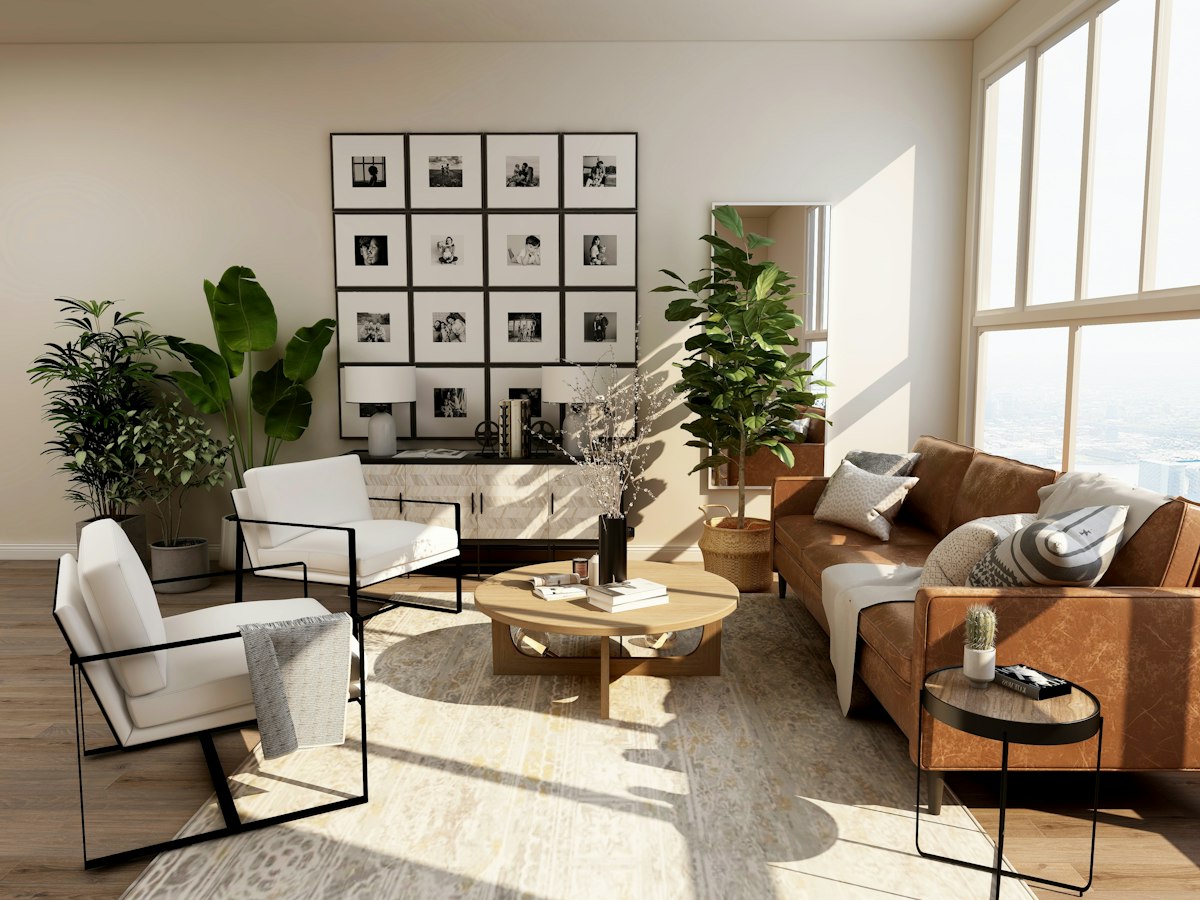
The renovation middle ground is especially useful in kitchens and dining areas. Many kitchens do not have enough cabinet space, but replacing cabinets can be disruptive. A tall pantry cabinet or a buffet with doors and drawers can absorb overflow immediately. The best use is not random storage; it is role-based storage. One cabinet might become a breakfast station with cereal, coffee supplies, mugs, and small appliances. Another might hold serving dishes, candles, linens, and entertaining supplies. Once the category is clear, the piece becomes easier to maintain.
Bedrooms are another place where storage-first design is gaining momentum. Hidden shelving behind a bed, nightstands with drawers, and vanities with divided storage all solve the same problem: private rooms collect small objects. Skincare, books, chargers, accessories, hair tools, notebooks, and laundry overflow can make a bedroom feel restless. Furniture that gives those items a home supports better rest because the room is visually quieter at the end of the day.
3. The New Look: Warm, Tactile, and Not Too Perfect
A storage-first interior should not look like a warehouse. The most current version of the trend balances capacity with warmth. That is where 2026's broader furniture direction matters. Dezeen's recent furniture coverage from Copenhagen's 3 Days of Design emphasized standout seating, recycled materials, and expressive forms. Those signals are useful because they show that practical rooms still need softness, shape, and a point of view.
Instead of making every piece a box, combine storage furniture with tactile elements. A fluted cabinet front catches light. Rattan introduces texture. A soft sectional makes a room feel generous rather than purely efficient. Oak finishes warm up white walls. Rounded upholstery offsets the straight lines of cabinets and shelving. The goal is not to hide function; it is to make function feel integrated into a layered room.
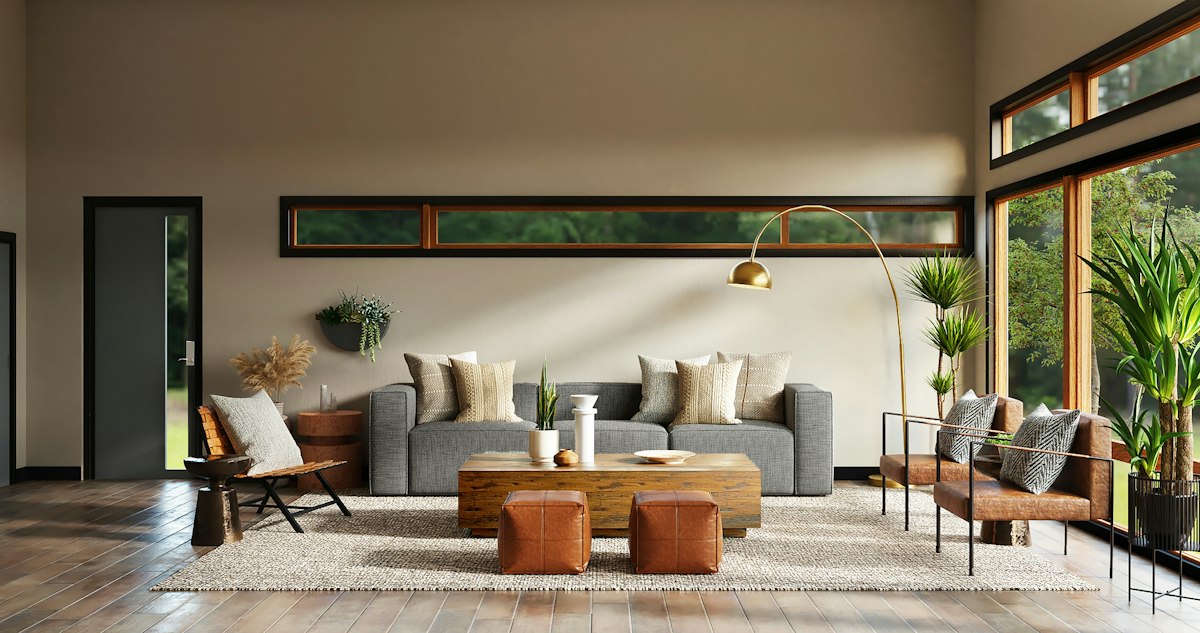
This is also why the best storage-first rooms usually include some open display. Closed storage handles the visual noise, but open shelves, tabletops, and wall space give the eye moments of personality. A good ratio is to keep the most repetitive items behind doors and display the objects that tell a story: ceramics, books, art, a lamp, a vase, or a tray that corrals daily essentials. The room feels curated because not everything is competing for attention.
Color is moving in the same direction. Warm neutrals, pale oak, walnut, cream upholstery, soft black hardware, and muted greens or terracotta accents all work well with storage-led rooms. These palettes make larger furniture pieces feel less heavy. They also age better than trend colors that only work for a season. If you are investing in a cabinet, vanity, or sectional, choose a finish that can survive future paint colors and styling changes.
4. How to Apply the Trend Room by Room
The easiest way to use this trend is to stop asking, "What should I buy for this empty corner?" and start asking, "What problem is this corner supposed to solve?" Every room has a different storage burden, and the right furniture should answer that burden directly.
In the living room, focus on reset speed. The room should be able to shift from movie night to guest-ready in a few minutes. Choose a media console, sideboard, storage coffee table, or modular seating plan that gives blankets, remotes, books, gaming accessories, and toys a predictable home. If the room is small, prioritize pieces that combine surface area with concealed storage.
In the kitchen and dining area, think in zones. A pantry cabinet can handle food overflow. A buffet can hold serveware and seasonal entertaining items. A sideboard can become a coffee bar or drop zone. The key is to avoid mixing every category together. When each cabinet has a job, storage remains useful instead of becoming a hidden junk drawer.
In the bedroom, protect calm. Use drawers for the small objects that usually scatter across surfaces. A nightstand with charging can reduce cable clutter. A vanity with enough divided storage can keep cosmetics and hair tools from migrating onto the dresser. If you work from the bedroom, a desk with drawers helps the room return to rest mode after work hours.
In the entryway, create a landing sequence. Shoes, bags, keys, sunglasses, mail, and pet supplies need a place before they enter the rest of the home. Even a narrow cabinet or compact sideboard can make the first five minutes at home feel more organized.
5. Practical Takeaways Before You Buy or Renovate
- Audit clutter by category, not by room. List what actually needs storage: pantry overflow, beauty tools, chargers, blankets, office supplies, pet items, or tableware.
- Choose furniture with a defined job. A cabinet that stores "miscellaneous things" will become messy. A cabinet that stores breakfast supplies or serveware is easier to maintain.
- Mix closed and open storage. Use closed doors and drawers for repetition; use open surfaces for personality and styling.
- Respect proportions. Tall pieces work best when they align with nearby architecture. Low sideboards work well under art, mirrors, or televisions.
- Do not let storage make the room stiff. Balance cabinets and drawers with soft seating, warm lighting, rugs, plants, and tactile finishes.
- Plan for charging. Many modern storage pieces now include power access. Use that feature where devices naturally land instead of fighting cable clutter later.
Featured Products
To bring the storage-first trend into a real home, start with pieces that solve common pressure points: dining overflow, kitchen capacity, and living-room flexibility. These Vektaya picks were selected from active Shopify products because they match the trend's emphasis on concealed storage, adaptable layouts, and calmer rooms.
15"–30" Expandable Sideboard with 3 Drawers, White - Vektaya

A flexible sideboard is one of the easiest ways to test the storage-first approach in a dining room, entry, or living area. The expandable footprint and drawers help it work as a landing zone, a serving piece, or a media-adjacent organizer.
$349.99
72'' Tall Kitchen Storage Pantry Cabinet - Vektaya

Tall pantry storage is especially useful when a kitchen renovation is not in the budget. Adjustable concealed storage can absorb dry goods, small appliances, table linens, and cleaning overflow while keeping visual noise behind doors.
$299.99
107" L-Shaped Modular Sectional Sofa with Chaise, Beige - Vektaya

A modular sectional supports the softer side of the trend: furniture that helps a room adapt to real life. Pair it with storage pieces so the living room feels open, calm, and ready for both lounging and hosting.
$299.99
Conclusion: Design for the Life That Actually Happens
The storage-first trend is not glamorous in the old sense, and that is exactly why it feels so relevant. It begins with real life: the mail on the counter, the charger beside the sofa, the extra pantry goods, the makeup collection, the blankets, the board games, the work files, the shoes by the door. Instead of pretending those things do not exist, 2026's smartest interiors are making space for them in ways that still feel warm, expressive, and beautiful.
If you are planning a renovation, start with storage before finishes. If you are refreshing a room, choose one piece that removes a daily friction point. And if your home feels visually busy even after cleaning, the answer may not be less personality. It may be better furniture with a clearer job.
Ready to make your home feel calmer without a full remodel? Explore Vektaya's storage cabinets, sideboards, vanities, nightstands, and modular living-room pieces to find furniture that works as hard as it looks.
Research notes: Architectural Digest highlighted storage coffee tables on June 19, 2026, pointing to the demand for living-room pieces that hide clutter without sacrificing style. Apartment Therapy covered IKEA BILLY built-ins, hidden bedroom shelving, and wraparound kitchen shelving on June 19, 2026, showing how everyday renovations are turning storage into design architecture. Dezeen's June furniture coverage from 3 Days of Design emphasized standout seating, material innovation, and expressive furniture forms, a useful counterbalance to purely utilitarian storage.
0 Kommentare