The 2026 Home Trend: Soft Utility, Warm Wood, and Hidden Storage
The most useful home trend of 2026 is not a single color, silhouette, or viral room shot. It is a broader shift toward what designers are increasingly treating as the new baseline for comfortable living: soft utility. The idea is simple, but powerful. Rooms should look warm, tactile, and personal, yet the furniture inside them should solve everyday problems quietly. A living room should invite people to sink in, but it should also support flexible layouts. A bedroom should feel calm, but it should also manage devices, cords, and morning routines. A dining or kitchen-adjacent wall should add architectural character, but it should also hide the things that used to live on counters.
Today's design coverage points in this direction from several angles. Recent furniture reporting around Copenhagen's 3 Days of Design has highlighted seating, material experimentation, and sculptural product launches. Architectural Digest has been tracking the continued rise of flat-pack and accessible furniture, which speaks to shoppers who want better design without sacrificing practicality. Apartment Therapy has been discussing changing layout preferences as homeowners move away from awkward compartmentalized plans, while Homes & Gardens has spotlighted the enduring appeal of velvet, wood, and layered living rooms. Taken together, these signals suggest that homeowners are not chasing sterile minimalism anymore. They want rooms that are warmer, smarter, more adaptable, and easier to live in.
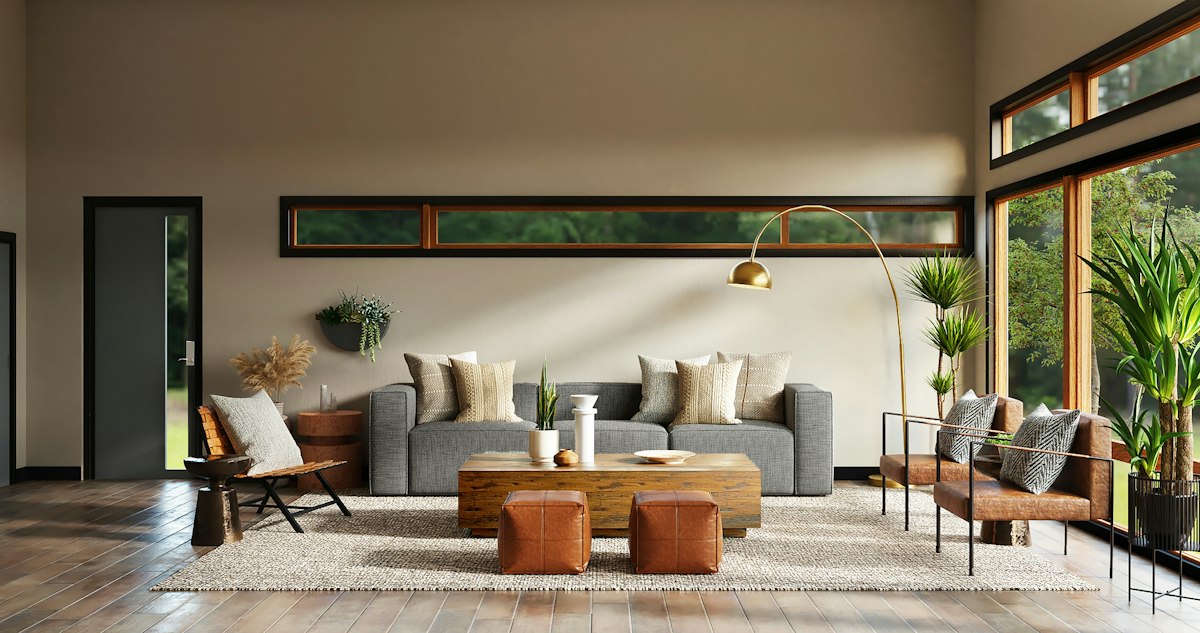
For furniture shoppers, that makes 2026 an especially interesting moment. The best pieces are no longer just decorative accents. They are multi-role anchors: modular sofas that define a space, fluted cabinets that function like architectural millwork, nightstands with charging built in, vanity desks that organize beauty routines, and pantry cabinets that turn messy utility into a designed surface. Below, we break down the trend, why it is rising now, and how to bring it home without turning your space into a showroom.
1. Why “Soft Utility” Is Replacing Bare Minimalism
For much of the past decade, the aspirational interior was defined by restraint: pale walls, quiet furniture, few visible belongings, and an almost gallery-like neatness. That look photographed beautifully, but it did not always match how people live. Homes now carry more responsibility. They are work zones, family hubs, recovery spaces, entertainment rooms, storage systems, and personal retreats. A purely minimal room can feel elegant for a moment, then unforgiving as soon as life enters the picture.
Soft utility is a response to that tension. It keeps the visual calm that people liked about minimalism, but replaces emptiness with comfort and function. Instead of a hard-edged sofa chosen only for its profile, the room gets generous seating that encourages real lounging. Instead of a blank wall that needs constant styling, the room gets a fluted cabinet, rattan console, or sideboard that adds texture while storing dishes, books, toys, cables, or seasonal decor. Instead of a bedside table that holds only a lamp, the bedroom gets drawers and charging access so the surface can stay peaceful.
This is also why warm wood tones are having such staying power. Wood visually softens technology-heavy homes. Oak, walnut, caramel, and rustic brown finishes create a sense of human scale, especially when paired with rounded corners, woven fronts, velvet upholstery, or ribbed surfaces. The result is not rustic in the old sense, and it is not sleek in the cold sense. It is warm modern: clean enough for small spaces, textured enough to avoid looking flat, and practical enough to earn its footprint.
The renovation lesson is clear: if a room feels unfinished, do not automatically add more decor. First ask what the room is failing to do. Does the entry need concealed shoe storage? Does the bedroom need a charging station? Does the living room need a deeper seating arrangement? Does the kitchen need a pantry cabinet that frees the counters? Solving that functional gap with a tactile piece is the heart of the trend.
2. Texture Is Becoming the New Ornament
One of the most visible shifts in furniture and interiors is the move from applied decoration to built-in texture. Fluted panels, ribbed drawer fronts, rattan doors, visible wood grain, bouclé-like softness, velvet pile, and ceramic or stone surfaces all create interest without needing a crowded shelf of accessories. This matters because many homeowners want character, but they do not want visual noise.
Texture also works across design styles. A fluted white cabinet can feel crisp and contemporary. A walnut rattan TV stand can lean organic and mid-century. A velvet sofa can read glamorous in one room and cozy in another. The flexibility makes texture a safer investment than a loud color trend. You can change pillows, lamps, and wall art later while the tactile furniture continues to hold the room together.
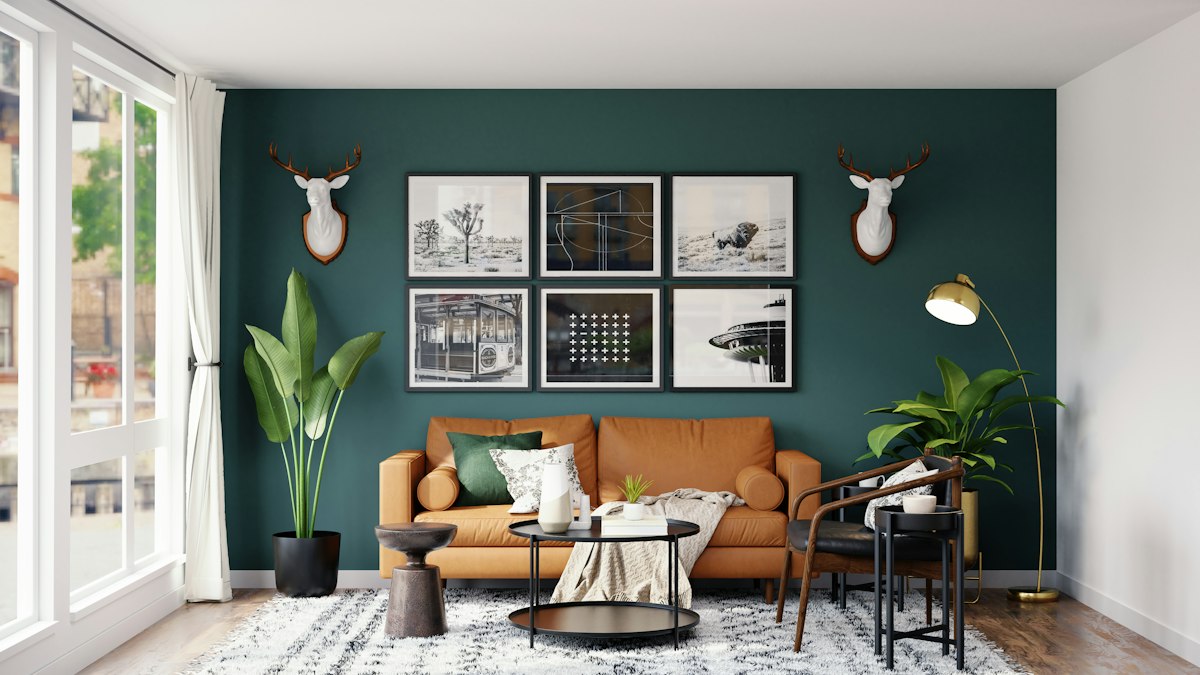
In renovation terms, textured storage is especially valuable because it gives a room the feeling of custom built-ins without the cost or permanence of construction. A sideboard under a long wall, a pantry cabinet beside the kitchen, or a pair of nightstands flanking a bed can create rhythm and architecture where the room previously felt plain. The key is scale. Choose a piece large enough to look intentional, not like an afterthought, and let the texture breathe. If the cabinet fronts are ribbed or woven, keep the top styling simple: a lamp, a tray, a low vase, or one piece of art is usually enough.
Color should support the material rather than fight it. Warm whites, mushroom beige, soft black, caramel oak, walnut, and muted greens are strong companions for textured furniture. If you prefer a brighter home, use texture as the grounding layer and bring color through textiles. If you prefer a darker home, let wood grain and fluting stop the palette from becoming heavy.
3. Modular Comfort Is the New Living Room Anchor
The living room is where the soft utility trend becomes most visible. Seating is no longer just a formal arrangement around a coffee table. It is where people work from a laptop, watch movies, host guests, nap, read, and spend long evenings. That has pushed modular and sectional sofas into the center of the conversation because they support multiple uses without requiring a remodel.
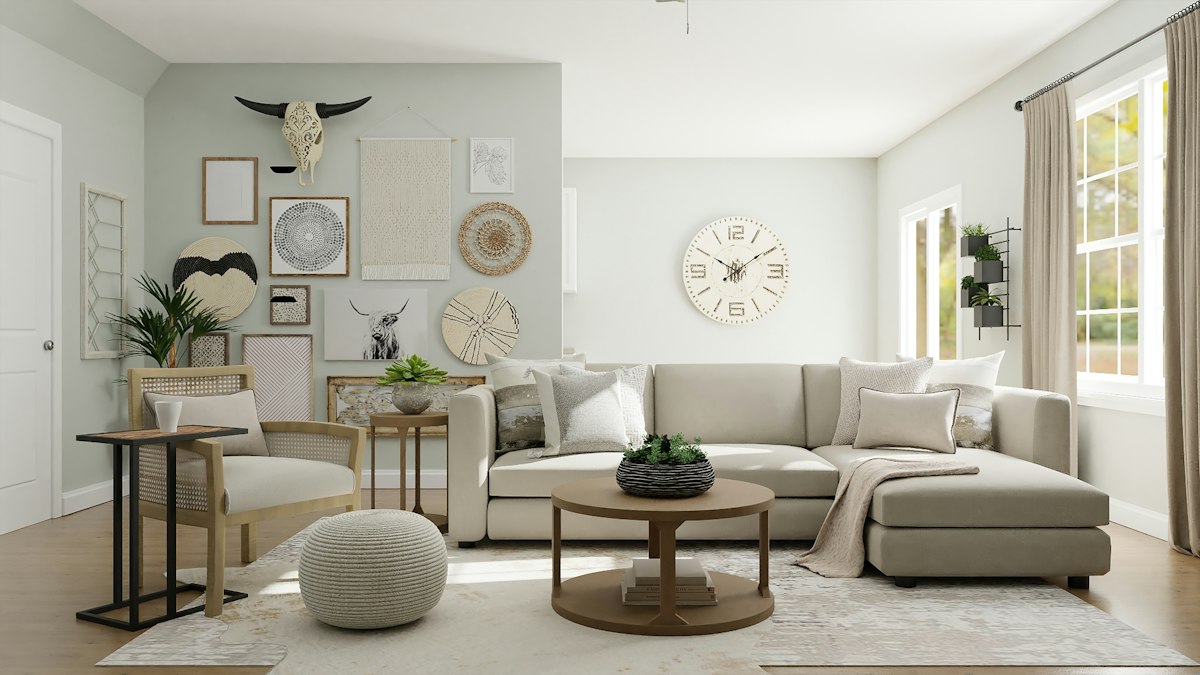
A chaise sectional, for example, can divide an open-plan space more gently than a wall or tall shelving unit. It creates a destination inside a larger room. In apartments, it can make a modest living area feel complete with fewer pieces. In family homes, it provides enough seating that accent chairs become optional rather than mandatory. This is one reason the best 2026 living rooms feel less staged. They are arranged around comfort first, then refined through lighting, storage, and texture.
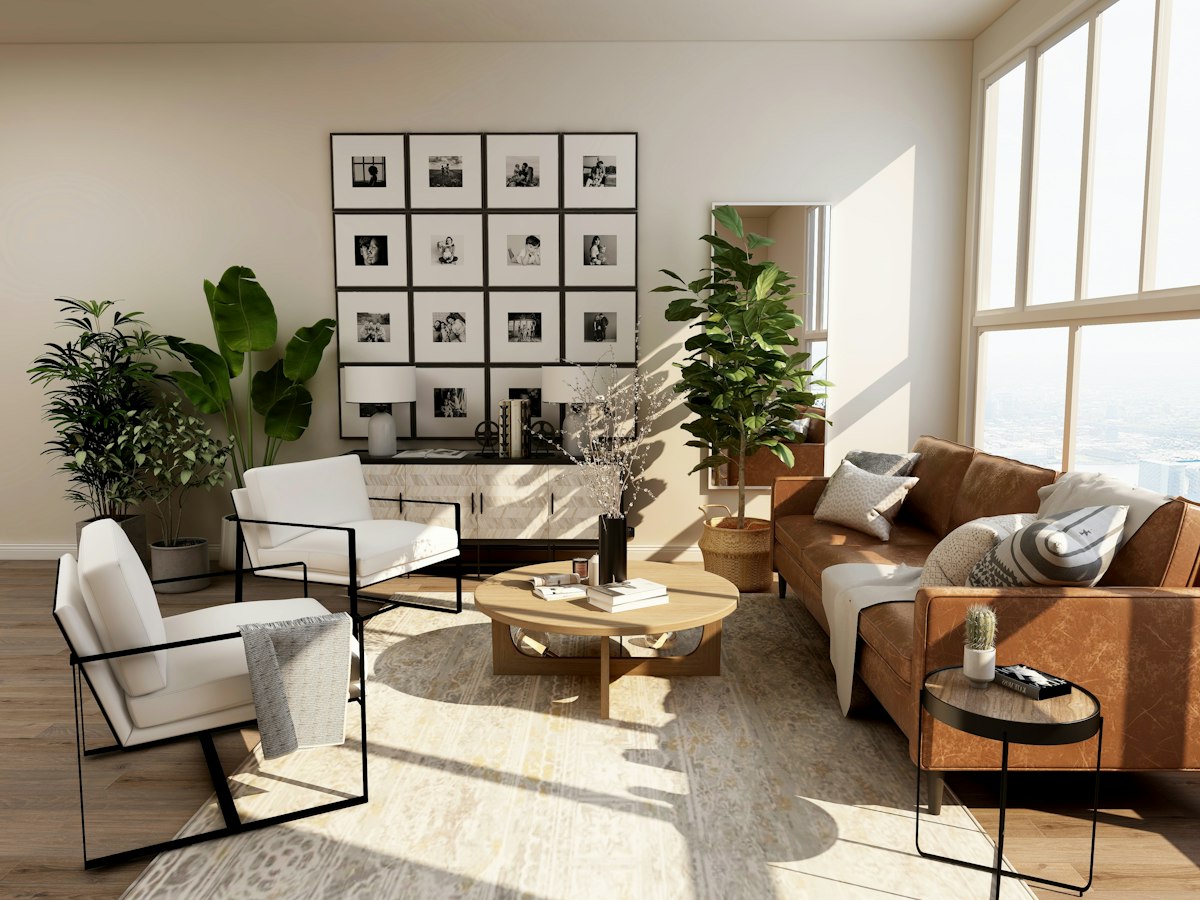
When choosing a large seating piece, think beyond the product photo. Measure walkways. Consider whether the chaise belongs on the left or right from the perspective of entering the room. Check the height of nearby tables. Decide where lamps, charging, blankets, and remotes will live. A sofa may be the anchor, but the room succeeds when the support pieces prevent clutter from drifting onto every surface.
The trend also favors softer silhouettes and warmer upholstery. Beige, cream, taupe, and light gray remain popular not because they are boring, but because they let texture and shape do the work. A neutral sofa can be updated seasonally with pillows and throws, while a warm wood cabinet or nightstand nearby keeps the palette grounded. If you worry that neutral furniture will look too plain, vary the materials: woven rug, ribbed storage, wood side table, ceramic lamp, and soft upholstery.
4. The Bedroom Is Becoming a Calm, Connected Routine Zone
The bedroom version of soft utility is quieter, but just as important. A well-designed bedroom in 2026 is not only about a good bed. It is about reducing friction at the beginning and end of the day. That means nightstands with drawers, charging access, and enough surface area for the few items that truly belong beside the bed. It can also mean a vanity desk that consolidates cosmetics, skincare, hair tools, jewelry, and lighting into one organized station.
This is where hidden storage has an emotional effect. A room feels calmer when the routine is supported. If every device cord is visible, every product is scattered, and every drawer is overstuffed, the bedroom starts to feel like a task list. Furniture with built-in storage and power does not solve every habit, but it creates a better default. The easiest room to keep tidy is the one where belongings have obvious homes.
Warm wood finishes are especially effective in bedrooms because they balance the coolness of screens, mirrors, and metal hardware. Oak nightstands, white vanity desks with soft lighting, and upholstered bed frames can create a layered room that feels polished without being precious. If you are renovating rather than simply redecorating, consider outlet placement early. The best charging furniture still needs a practical wall connection, and planning that detail can prevent extension cords from ruining the calm effect.
Lighting matters too. LED mirrors, bedside lamps, and indirect ambient lighting help a functional room feel restful. The trick is to avoid a single harsh overhead source. Use layered light: one clear task light for grooming or reading, one warm lamp for evening, and one subtle accent if the room needs depth. Furniture with integrated lighting can be useful when it supports the routine rather than becoming a gimmick.
5. Practical Takeaways for Bringing the Trend Home
You do not need to replace everything to adopt soft utility. Start with the room that creates the most daily friction. If the living room always looks messy, prioritize a storage cabinet or TV stand before buying more decor. If guests never have enough comfortable seating, start with a sectional. If the bedroom feels cluttered, upgrade the nightstands or vanity zone. If the kitchen counters are overloaded, consider a pantry cabinet or sideboard that can absorb overflow.
- Choose one anchor piece per room. A sectional, pantry cabinet, vanity desk, or fluted sideboard can define the room. Let smaller pieces support it.
- Use texture instead of clutter. Fluting, rattan, wood grain, velvet, and soft upholstery add depth without requiring dozens of accessories.
- Prioritize closed storage. Open shelves are beautiful when styled, but closed drawers and doors are more forgiving for real life.
- Measure for movement. Leave comfortable pathways around sectionals, bed frames, and cabinets. Utility disappears if the room becomes hard to navigate.
- Keep technology integrated. Charging stations, outlets, cable management, and drawers are part of modern comfort, not afterthoughts.
- Repeat materials lightly. If you use oak in the bedroom, echo it with a small frame or lamp base rather than matching every piece exactly.
The most common mistake is treating the trend as a shopping list. Soft utility is not about buying every textured piece you can find. It is about matching furniture to the life of the room. A highly functional cabinet in the wrong place is still visual clutter. A beautiful sofa that blocks circulation will become annoying. The best interiors feel effortless because the practical decisions were made first.
Featured Products for the Soft Utility Home
These Vektaya pieces fit the 2026 direction because they combine warmth, storage, comfort, or built-in convenience with a polished furniture silhouette.

107" L-Shaped Modular Sectional Sofa with Chaise, Beige - Vektaya
Why it fits this trend: The strongest version of soft utility starts with seating that can actually handle daily life. A modular sectional creates a relaxed conversation zone, supports lounging, and gives an open-plan room a visual anchor without making the space feel formal.
Price: $299.99

61.5" Rattan TV Stand for TVs up to 65", 4-Door, Walnut - Vektaya
Why it fits this trend: Fluted, rattan, or warm-toned storage adds the tactile detail designers are using in 2026 while keeping clutter out of sight. It is decorative from across the room and useful the moment drawers and cabinet doors open.
Price: $239.99

23" Fluted LED Nightstand with Charging Station, Drawers, Oak - Vektaya
Why it fits this trend: A charging nightstand is a small piece with an outsized effect: it keeps the bedroom calm, reduces cable clutter, and pairs warm wood texture with the everyday utility people now expect from furniture.
Price: $199.99
Conclusion: Design for the Life You Actually Live
The strongest interiors of 2026 are not trying to impress by being empty, overly themed, or difficult to maintain. They are warm, tactile, flexible, and quietly hardworking. That is why soft utility feels less like a passing look and more like a practical design correction. It acknowledges that people want beauty, but they also want drawers, charging, comfort, adaptable layouts, and surfaces that do not demand constant styling.
If you are planning a room refresh or a larger home renovation, start by identifying the friction points, then choose furniture that solves them with texture and warmth. A modular sofa can make the living room more generous. A fluted cabinet can turn storage into architecture. A charging nightstand can make the bedroom calmer. The right pieces will not just change how your home looks; they will change how easily it works.
Ready to build a warmer, smarter home? Explore Vektaya furniture designed for real routines, flexible rooms, and everyday comfort.
0 Kommentare