Open any design feed this week and a clear pattern appears: homeowners are no longer treating small rooms as temporary compromises. They are renovating them into flexible, good-looking spaces that can shift between work, rest, storage, dining, beauty routines, and hosting. Recent interior coverage points in the same direction. Dezeen highlighted a compact Warsaw apartment shaped by maritime efficiency, a Brooklyn renovation that leaned on affordable materials, and bathrooms designed around generous windows and connection to the outdoors. Together, those stories capture the mood of 2026 interiors: less square footage wasted, fewer purely decorative purchases, and more furniture that earns its footprint every day.
This is not the old “small-space hack” conversation, where every answer was a foldaway item or a wall full of bins. The more interesting trend is about permanent rooms that feel calm, personal, and complete while still doing several jobs. Renovators are asking sharper questions: Can a cabinet become a serving zone? Can a sofa support movie nights and overnight guests? Can a bedroom storage piece make the morning routine easier without making the room feel crowded? Can practical lighting, charging, and concealed drawers become part of the design rather than afterthoughts?
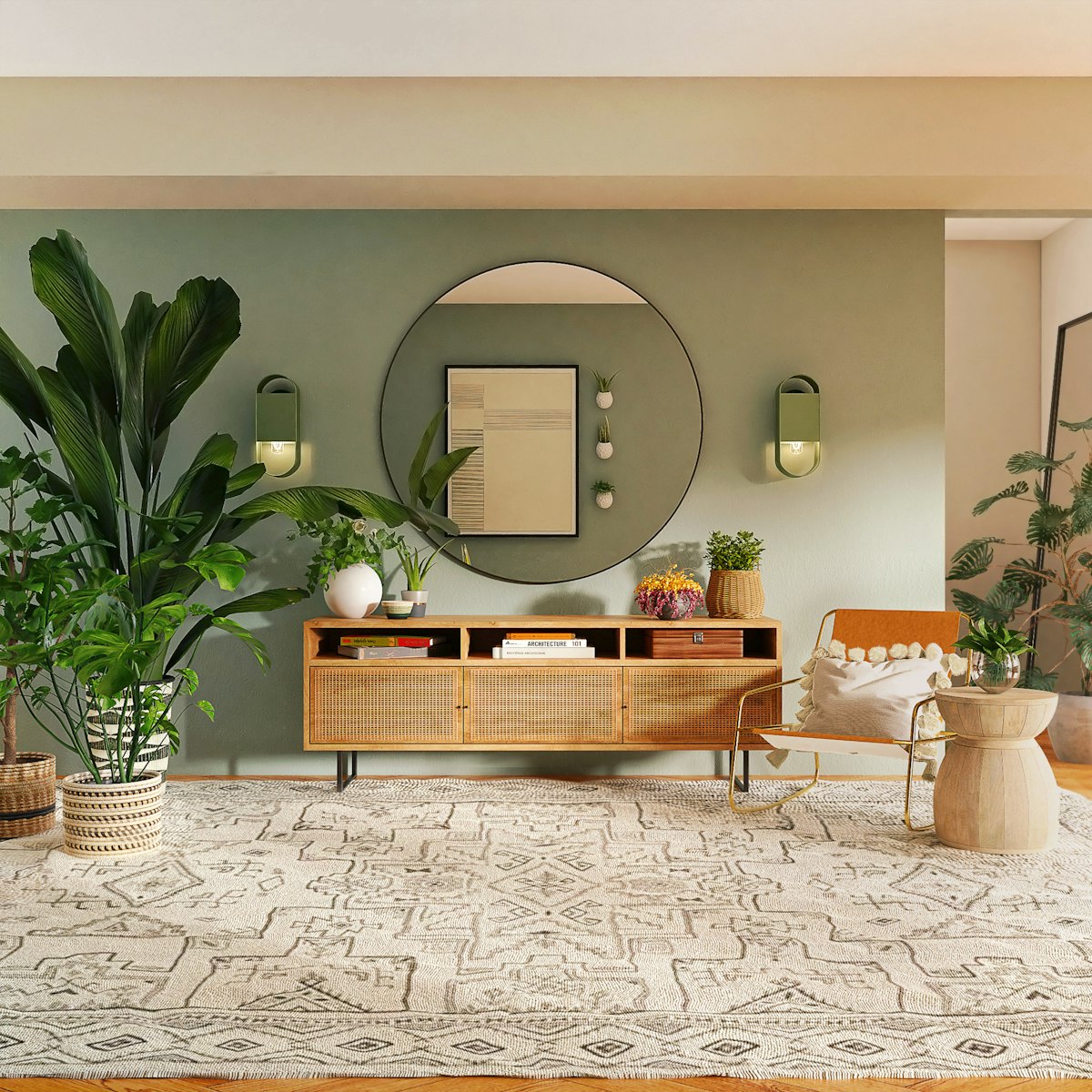
At Vektaya, we think this shift is worth paying attention to because it is both beautiful and useful. It respects real homes: apartments, starter houses, shared spaces, spare rooms that double as offices, and bedrooms that have to hold more than a bed. The goal is not to buy more furniture. The goal is to choose pieces and renovation moves that make every wall, corner, and drawer work harder while keeping the atmosphere warm and human.
Why Flexible Renovation Is Trending Now
The current small-space renovation trend is being driven by three practical pressures. First, many households are staying in their homes longer and improving what they already have instead of moving. Second, hybrid work has permanently changed how living rooms, bedrooms, and dining areas are used. Third, design culture has moved away from sterile minimalism toward rooms with texture, warmth, and visible personality. The result is a demand for spaces that are efficient but not cold.
Today’s best compact interiors borrow from hospitality, boat design, and studio apartments. They use clear zones, durable materials, hidden storage, and furniture that can support more than one activity. A corner desk is not just an office; it might become a craft station, homework zone, or gaming setup. A sideboard is not only a storage cabinet; it can become a buffet, coffee bar, printer station, or temporary dining surface. A modular sofa is not only seating; it can define a social zone in an open plan and adapt when the room changes.
The research signals are consistent. Recent interiors coverage has emphasized compact apartments, affordable renovations, and hardworking built-ins rather than oversized show homes. That matters because trends become useful only when they meet daily routines. Flexible renovation is popular because it solves common friction points: clutter on surfaces, underused corners, rooms that cannot host guests, dark work areas, and furniture that looks good but does not store anything.
Start With Zones, Not Square Footage
The smartest small-space renovations begin with behavior mapping. Before choosing paint, lighting, or furniture, list what the room actually needs to do during a normal week. A living room might need to support lounging, laptop work, toy storage, exercise, and occasional entertaining. A bedroom might need makeup storage, charging, off-season clothes, reading light, and a calm sleep zone. A dining area might need to become a work table during the day and a serving station at night.
Once the activities are clear, create zones through furniture placement and lighting instead of adding walls. Rugs, shelving, sofas, cabinets, and lamps can divide a room without making it smaller. A low sideboard behind or beside a sofa can mark the edge of a lounge area while storing dinnerware, documents, or chargers. A corner desk can turn unused wall space into a dedicated work zone. A nightstand with drawers and charging can make the bed area feel organized without adding another large storage unit.
Zones also help prevent the most common small-room mistake: buying one large piece and hoping it solves everything. A room feels larger when each item has a purpose and the eye can understand the layout quickly. That does not mean everything must match. In fact, character-rich rooms often combine soft upholstery, wood tones, fluted textures, glass surfaces, and matte finishes. The key is repetition: carry one or two materials or colors across the space so the multifunctional layout still feels intentional.
Choose Furniture That Has a Second Job
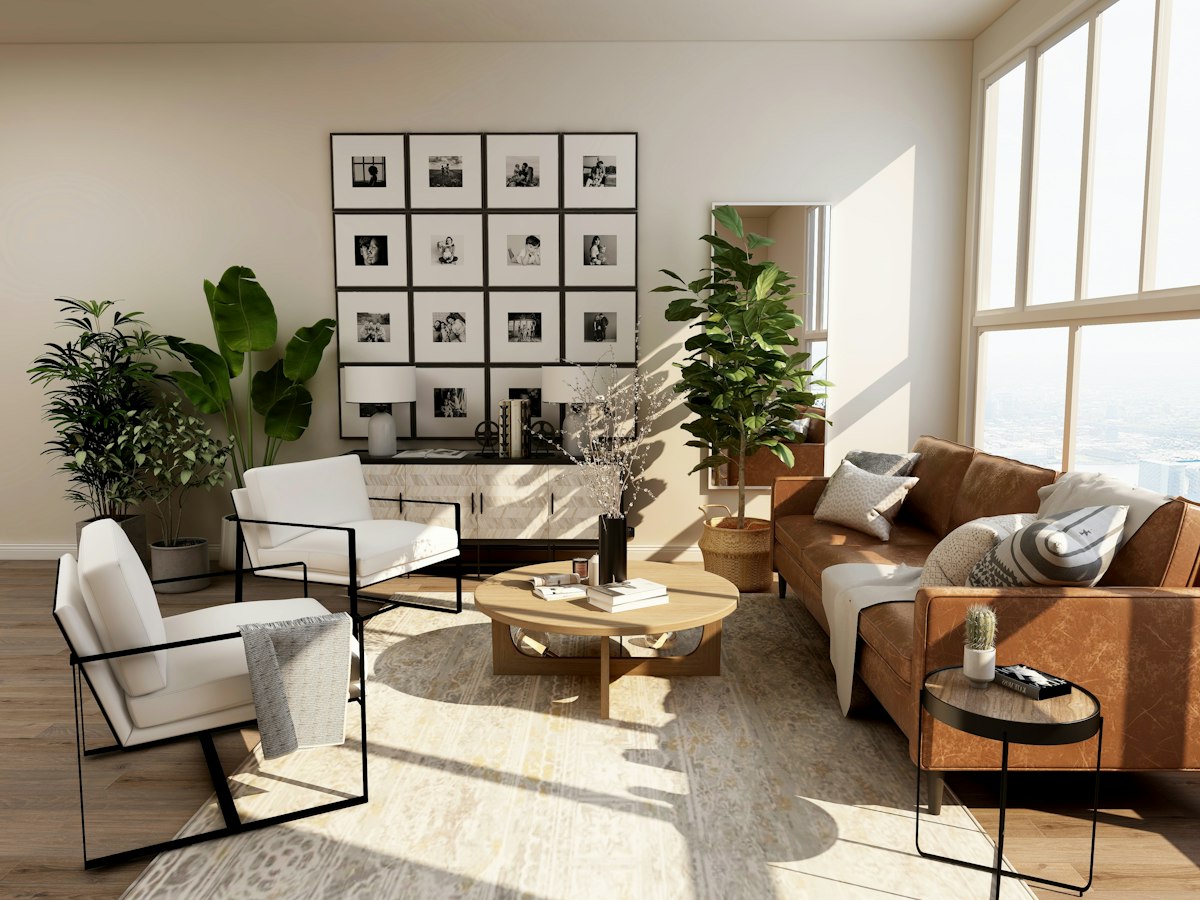
Furniture with a second job is the backbone of this trend. In 2026, the most useful pieces are not gimmicks; they are normal-looking furniture with hidden capacity. Think storage beds, modular sectionals, expandable sideboards, vanities with drawers and lighting, nightstands with charging, and cabinets with adjustable shelves. These pieces support daily routines quietly, which is why they age better than novelty items.
When evaluating a multifunctional piece, look for three qualities. The first is scale. A product can be clever and still be wrong if it blocks movement or overwhelms the room. Measure walkways, door swings, drawer clearance, and the distance between seating and tables. The second is access. Storage only helps if the items you use most are easy to reach. Deep, awkward compartments often become forgotten clutter zones. The third is visual calm. Closed doors, fluted fronts, drawers, and consistent finishes can make a busy room feel edited even when it stores a lot.
Expandable and modular furniture deserves special attention. An expandable sideboard can make a small dining area more generous only when needed. A modular sofa can move with you through different apartments and layouts. A storage cabinet with adjustable shelves can shift from books to linens to pantry overflow. This adaptability reduces waste because the furniture is less likely to become obsolete after one move or room refresh.
Use Affordable Materials With Intention
One reason recent renovation stories feel refreshing is their willingness to use affordable materials honestly. Plywood, MDF, laminate, painted cabinetry, simple tile, and ready-to-assemble storage can look elevated when the proportions are right and the details are deliberate. The point is not to pretend every room is custom-built. The point is to spend where touch, durability, and daily use matter most.
For a compact renovation, prioritize a few high-impact moves. Upgrade lighting so each zone has a clear purpose: ambient light for relaxing, task light for work or makeup, and soft accent light for evening. Use larger storage pieces with doors to reduce visual clutter. Add texture through fluted fronts, rattan, upholstery, wood grain, or a warm rug. Keep the color palette tight, then let one or two pieces provide character.
Bathrooms and kitchens benefit from the same thinking. A scenic bathroom window, highlighted in recent design coverage, is not only about luxury; it is about making a functional room feel connected and restorative. If a new window is not realistic, use mirrors, pale surfaces, good ventilation, and layered light to create a similar sense of openness. In kitchens, a pantry cabinet or sideboard can provide renovation-level function without the cost of full custom millwork.
Make Storage Part of the Atmosphere
Storage is often treated as a technical problem, but in a small home it is also an emotional one. A room with visible clutter feels smaller, noisier, and harder to relax in. The flexible renovation trend turns storage into part of the atmosphere. Instead of adding random bins after the fact, storage becomes a design layer: a fluted cabinet in the living room, a drawer-rich vanity in the bedroom, a bed frame with built-in drawers, or a nightstand that keeps cables out of sight.
The best storage plan separates items by frequency. Daily items should live in the easiest drawers or shelves. Weekly items can sit behind doors. Seasonal items belong higher, lower, or under the bed. If everything has the same priority, the system will fail. Labeling can help inside cabinets, but the outside should remain calm and attractive. That is why closed storage is so powerful in multifunctional rooms: it lets the space reset quickly when the activity changes.
Do not ignore vertical space. Tall pantry cabinets, shelving, and wall-mounted lighting free up floor area. At the same time, leave some negative space. A compact room does not need furniture on every wall. Breathing room around a sofa, desk, or cabinet makes the pieces you do choose feel more considered.
Practical Takeaways for Your Next Room Refresh
- Audit the room by activity. Write down every task the room supports before buying anything.
- Measure clearances. Include drawer pull-out space, chair movement, outlet locations, and walking paths.
- Choose at least one flexible anchor. A modular sofa, expandable cabinet, storage bed, or multifunctional desk can do more than a decorative accent chair.
- Layer lighting. Combine overhead light with task and accent lighting so zones feel intentional.
- Hide visual noise. Closed cabinets, drawers, and cable management make small rooms feel calmer.
- Use texture instead of clutter. Fluted fronts, rattan, upholstery, wood grain, and soft textiles add warmth without crowding surfaces.
Featured Products for a Flexible Home
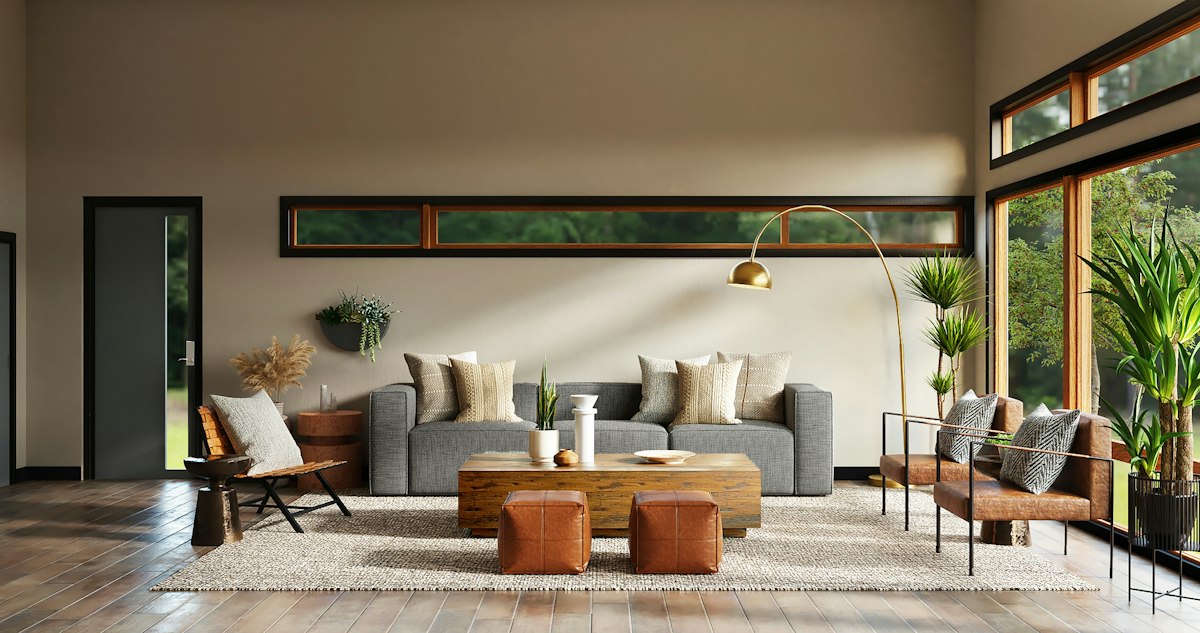
These Vektaya picks fit the flexible renovation trend because they combine practical storage, adaptable layouts, and a polished look for everyday rooms.

15"–30" Expandable Sideboard with 3 Drawers, White
$349.99
Use it as a compact buffet day to day, then expand it when dinner, paperwork, or a project needs more surface area.

107" L-Shaped Modular Sectional Sofa with Chaise, Beige
$299.99
A modular sectional gives the living room a soft anchor without locking the room into one layout forever.
Shop 107" L-Shaped Modular Sectional Sofa with Chaise, Beige

Storage Cabinet 5-Tier Fluted
$299.99
Closed storage is the quiet hero of a flexible room: it hides visual noise while keeping daily items close.
Research Notes Behind This Trend
This article was informed by current furniture and interiors coverage published around June 2026, especially stories highlighting compact apartment planning, affordable renovation materials, scenic bathrooms, and efficient furniture layouts. Recent signals included:
- Plan Plan uses "affordable materials" for Brooklyn apartment renovation (Sat, 20 Jun 2026 17:00:04 +0000)
- Studio Elèn Letort completes "expressive and characterful" renovation of historic Amsterdam apartment (Thu, 11 Jun 2026 05:00:14 +0000)
- Compact Warsaw apartment evokes "ingenuity and efficiency" of maritime architecture (Sun, 21 Jun 2026 05:00:50 +0000)
- Eight scenic bathrooms with a window to the great outdoors (Sun, 21 Jun 2026 09:00:33 +0000)
Rather than copying any single project, the takeaway is broader: homeowners want rooms that feel designed, personal, and efficient at the same time.
Conclusion: Design for the Life You Actually Live
The most important renovation trend right now is not a color, a silhouette, or a single material. It is a mindset: design for the life you actually live. A small room can be elegant. A practical cabinet can be beautiful. A sofa can be flexible. A bedroom can support storage, lighting, charging, and calm without feeling like a showroom. When every piece has a reason to be there, the whole home feels easier to use.
If you are planning a compact renovation or a room refresh, start with the daily friction points. Where does clutter gather? Which corner is wasted? What surface is always overloaded? Then choose furniture that solves those problems while strengthening the look of the room. Explore Vektaya’s storage cabinets, modular seating, bedroom furniture, and multifunctional designs to build a home that works harder, looks warmer, and adapts as your life changes.
0 Kommentare