Portable Living: The Flexible Furniture Trend Shaping 2026 Homes
Homes are being asked to do more without becoming bigger. A living room may be a work zone at 10 a.m., a family room at 6 p.m., and a guest space by the weekend. A bedroom may need better sleep support, calmer storage, and a place to recharge a phone without becoming an electronics depot. That reality is pushing a clear design conversation forward in 2026: portable living. It is not a call to fill a home with tiny furniture or to chase a novelty trend. It is a practical approach to choosing pieces, layouts, and renovation details that can adapt when routines, rooms, and households change.
Recent design coverage gives the idea momentum. Dezeen reported on July 15 that IKEA released portable furniture designed to move without a car. On July 22, Apartment Therapy highlighted how a 489-square-foot London apartment gains a sense of scale through layout, while Architectural Digest examined adjustable bed frames as a more responsive sleep setup. These are different categories, but they share a useful premise: a home performs better when its components can respond to real life instead of demanding that real life conform to them.
Why Portable Living Is More Than a Moving-Day Trend
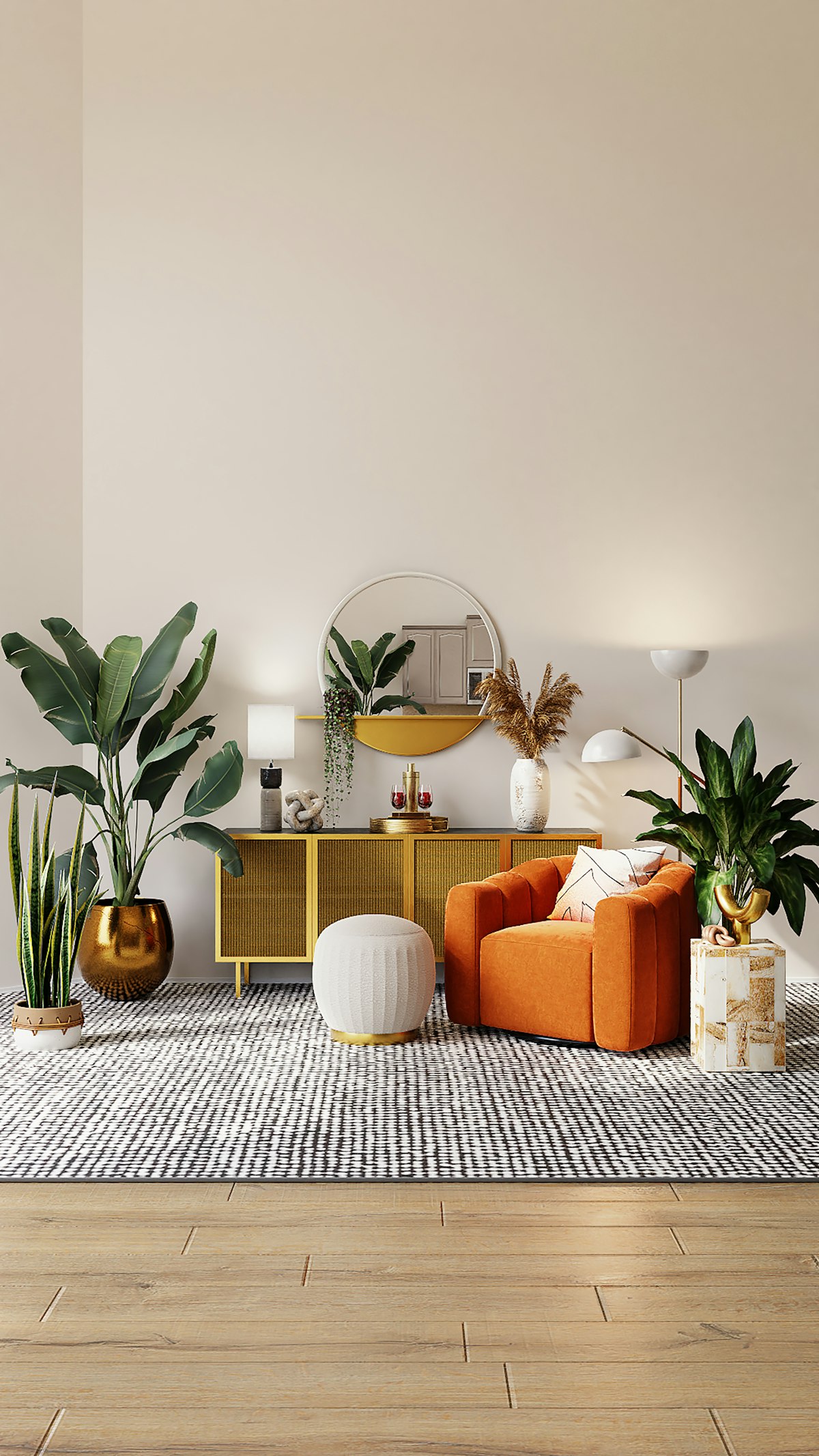
Portability used to suggest temporary furniture: something bought for a first apartment and replaced later. The current interpretation is more mature. It means reducing the friction of change. A piece can be portable because it is light enough to reposition, modular enough to reconfigure, narrow enough to move through a hallway, or useful in more than one room. It can also be portable in a visual sense: calm enough to survive a change in paint color, rug, or room function.
This matters because housing patterns are less predictable. Renters want improvements they can take with them. Owners are renovating rooms in stages rather than undertaking one enormous project. Families may need a nursery, home office, hobby station, or recovery room at different moments. Even people staying put are confronting the ordinary changes of a week: hosting, remote work, exercise, hobbies, and the desire to rest. Fixed, single-purpose layouts can feel impressive on reveal day but restrictive six months later. Portable living treats adaptability as a form of long-term value.
The design payoff is not only functional. Rooms with clear circulation and a few movable zones often read as calmer because they have fewer visual dead ends. There is more negative space, less furniture pressed permanently against every wall, and a better relationship between activity and storage. The aim is not emptiness. It is optionality: the ability to make one considered adjustment instead of living with a layout that no longer fits.
Choose Furniture by Its Range of Uses, Not Its Label
A reliable way to shop this trend is to stop asking only, “What room is this for?” and start asking, “What jobs can this do?” A sideboard might hold dining linens, become a coffee station, organize craft supplies, or act as an entry landing zone. A modular sofa can define a conversation area today and make room for a temporary desk tomorrow. A bedside cabinet with drawers and charging can eliminate the need for a second small table and the tangle of cords that collects around it.
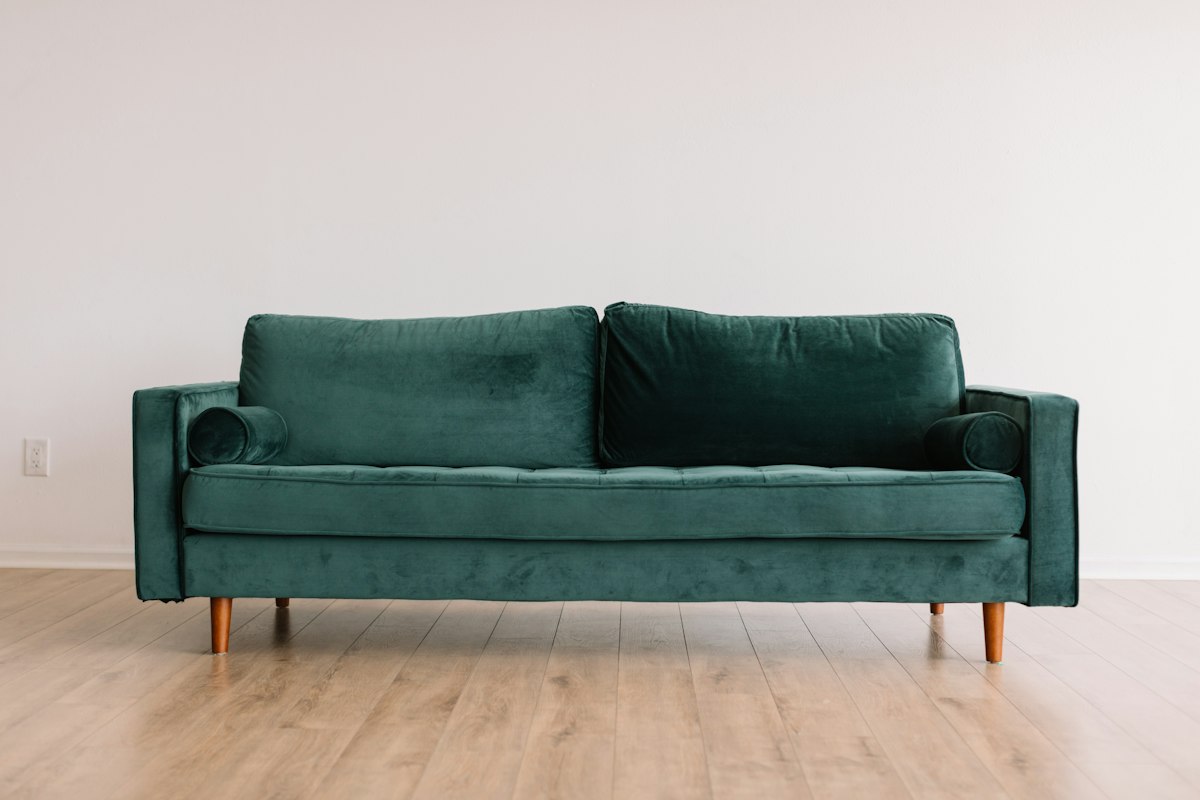
Range of use should not mean compromise. The best flexible pieces still have one primary job and do it well. A cabinet needs sensible shelves and a stable top. Seating needs real comfort and proportion. A drawer should open easily when the room is busy. What changes is the decision filter: choose a piece with a strong core function, then look for a second and third plausible use. This prevents the common mistake of buying “multifunctional” furniture that is clever in theory but awkward in daily life.
Scale is equally important. Measure the operating zone, not merely the footprint. Include door swings, drawer clearance, chair pull-back, and the route people use to cross the room. A flexible layout is defeated by a cabinet that blocks the only comfortable passage or a sectional that cannot be adjusted without moving three other pieces. As a rule, protect the paths used most often first; decorate the leftover space second.
Renovate the Infrastructure That Makes Change Easy
Portable living is not only about what you buy. It is also about the quiet decisions behind the walls and underfoot. Renovations that support flexibility tend to prioritize adaptable light, resilient surfaces, convenient power, and storage that does not dictate a single furniture arrangement. A dimmable, layered lighting plan lets one room shift from focused task work to evening relaxation. Outlets placed where people actually sit reduce the temptation to anchor every layout around a single wall. Durable flooring and washable paint make it less stressful to move pieces, host people, or reassign a room.
Think in layers. The first layer is permanent: electrical planning, good ventilation, window treatments, flooring, and built-in storage where it genuinely solves a structural problem. The second is semi-fixed: rugs, wall lights, shelving, and larger furniture. The third is mobile: tables, seating modules, lamps, baskets, and accessories. Spend carefully on the first layer, specify the second layer for longevity, and keep enough of the third layer movable to let the room breathe.
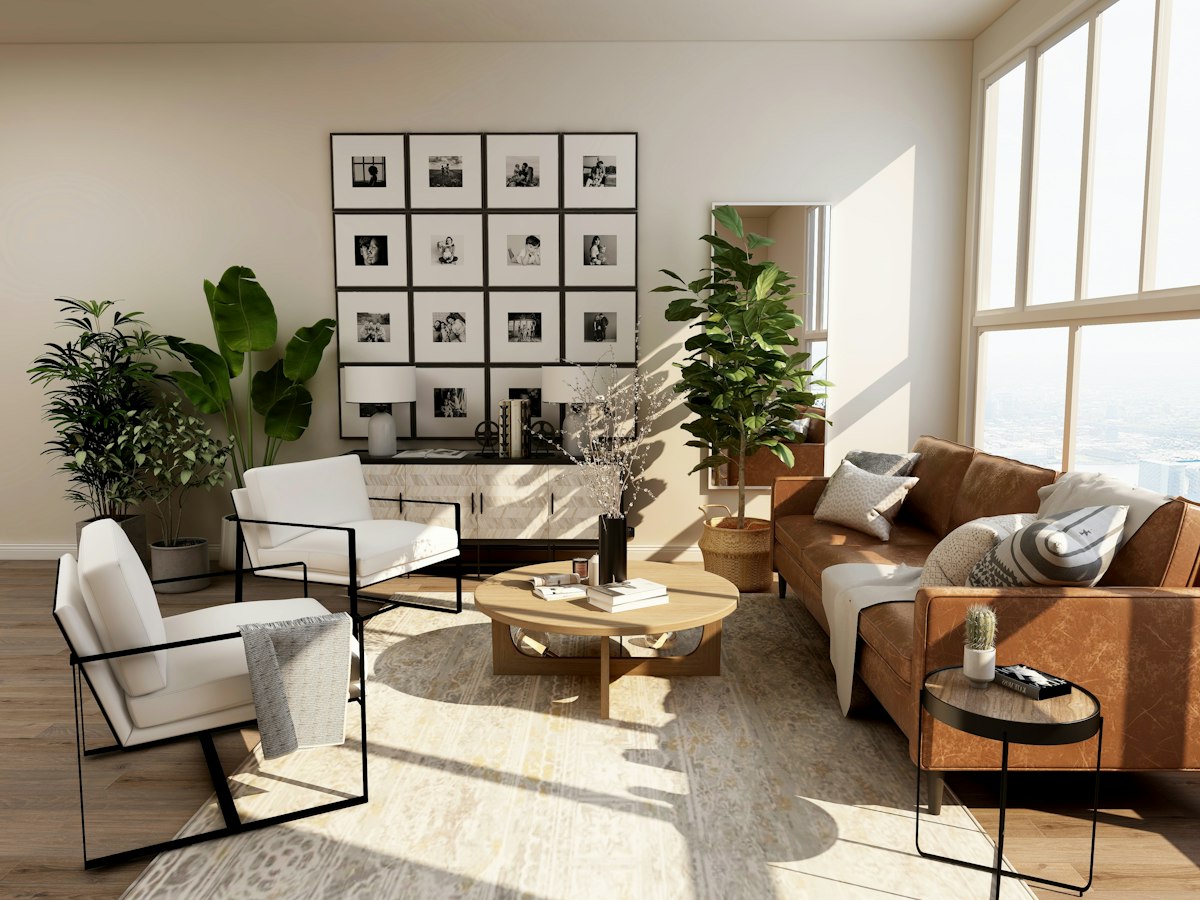
There is also a renovation lesson in restraint. Not every wall needs a built-in; not every niche needs a custom solution. Built-ins are excellent when they handle an unavoidable need, such as an awkward alcove or a serious media and storage requirement. But a room can become hostage to them if all future layouts must orbit one permanent installation. Before commissioning millwork, test the proposed footprint with painter’s tape and live with it for a few days. The smallest reversible experiment can prevent the most expensive inflexible decision.
Make Storage Mobile, Visible Enough, and Easy to Reset
Clutter is the enemy of adaptability because every change becomes a sorting project. The most useful storage strategy is not maximal concealment; it is fast reset. Put frequently used items in drawers, cabinets, or baskets close to where they are used. Reserve high shelves for seasonal objects. Give cables, chargers, throws, and hobby supplies a deliberate home before adding another decorative object. A room that can be reset in ten minutes is more likely to be rearranged, cleaned, and enjoyed.
Furniture with enclosed storage plays an outsized role here. It makes a temporary work session, a child’s play setup, or an impromptu meal feel less like a permanent takeover of the room. At the same time, a small amount of open display keeps the room personal and prevents it from feeling like a storage unit. Balance is the point: conceal the operational clutter, display the objects that make the home feel like yours.
Use one simple edit when evaluating any storage purchase: list the exact objects it will hold. If the answer is vague, the piece may simply become a new surface for accumulation. If the answer is specific—table linens, devices, books, bedtime essentials, or pantry overflow—you can judge whether the dimensions, shelves, and drawers truly fit the job. This is how practical storage becomes design rather than an afterthought.
Style for Continuity So Rearranging Does Not Look Accidental
A flexible home still needs a visual through-line. The easiest way to create one is to repeat a modest palette of materials and colors across movable pieces. Warm wood, soft neutral upholstery, matte black or bronze hardware, and one accent color can travel from living area to bedroom without forcing every item to match. When a chair moves rooms or a cabinet changes jobs, the transition feels intentional because the materials already belong to the same story.
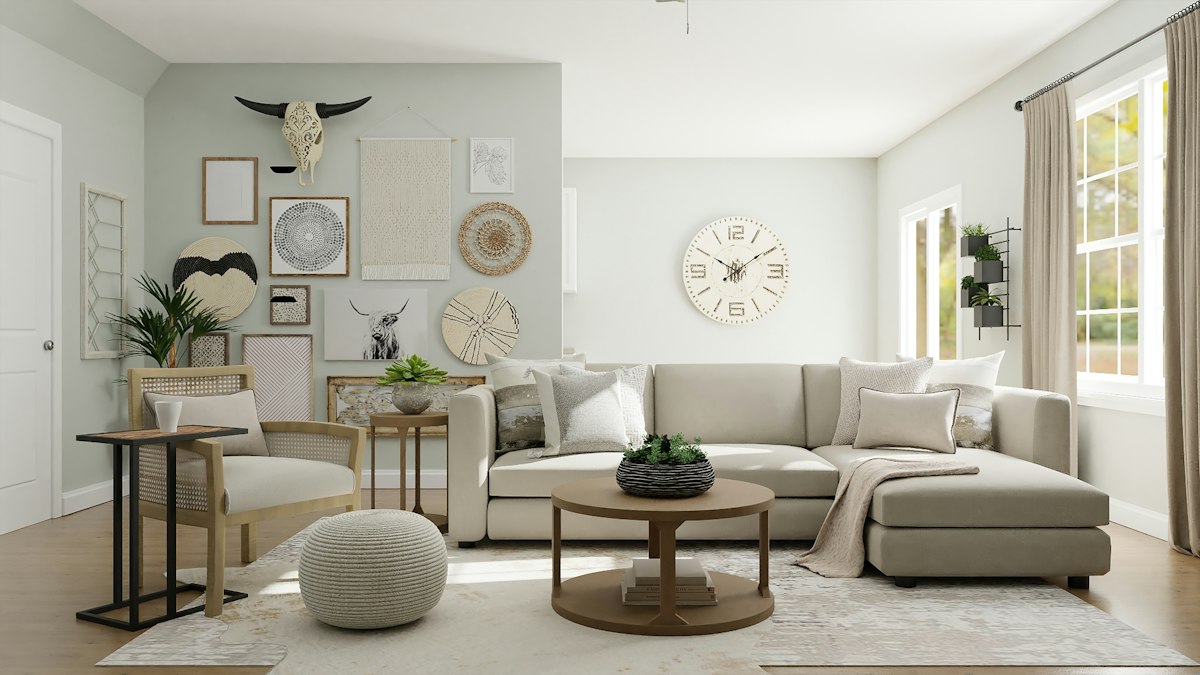
Texture does more work than ornament in this approach. A woven rug can mark a seating zone, a linen shade can soften a work corner, and ribbed or fluted detailing can add dimension to a simple storage piece. These details create warmth without locking the room into a loud theme. They also age better than a heavily trend-driven palette, which is valuable when the whole point is to keep furniture useful through several iterations of the home.
Finally, leave one surface and one corner intentionally under-programmed. The clear dining end of a table, an open stretch of wall, or a small patch of floor is not wasted space. It is capacity. It allows for a suitcase, a plant, a reading chair, a guest’s bag, or simply a quieter visual moment. In a compact home especially, capacity is a luxury.
Practical Takeaways
- Audit friction first: identify the moments when your home feels hardest to use—crowded pathways, visible cords, nowhere to set up work, or storage that takes too long to reset.
- Measure movement: record door swings, drawer clearance, and primary walking routes before choosing a large piece.
- Buy for a primary use plus two credible future uses: this is a better flexibility test than a vague “multifunctional” label.
- Plan renovation layers: invest in durable infrastructure, then keep enough furniture and lighting mobile to adjust the room over time.
- Create a ten-minute reset: put daily clutter near its destination and use enclosed storage for the items that make a room feel busy.
- Repeat materials, not matching sets: a restrained palette makes rearrangement look designed rather than improvised.
Featured Products
These active Vektaya products support the portable-living mindset: fewer fixed assumptions, clearer functions, and furniture that earns its footprint.
72'' Tall Kitchen Storage Pantry Cabinet - Vektaya

A storage-focused anchor for the room: use it to give frequently handled items a defined home, then keep the surrounding floor area available for movement. Current listed price: $299.99. Explore this piece.
107" L-Shaped Modular Sectional Sofa with Chaise, Beige - Vektaya

A comfort anchor for flexible living: build the seating plan around conversation, reading, or movie night rather than locking the room into a single formal arrangement. Current listed price: $299.99. Explore this piece.
11-Drawer Mirror Vanity Desk with Charging Station White - Vektaya

A compact utility piece that keeps daily essentials close while reducing the need for extra loose furniture in a bedroom, entry, or work corner. Current listed price: $329.99. Explore this piece.
Conclusion: Build a Home That Can Keep Up
Portable living is ultimately a design of confidence. It says a home does not have to be frozen to be finished, and it does not have to be oversized to feel generous. By choosing furniture with range, protecting circulation, improving the infrastructure that supports daily life, and making storage easy to reset, you create rooms that can meet the next season without demanding a complete restart. Start with one friction point this week, measure it honestly, and choose the piece or layout change that gives your home more options. Explore Vektaya’s flexible furniture collection to begin building a space that works beautifully now—and can change gracefully later.
0 comments