Personality-First Interiors: The Home Design Trend to Watch Now
Published June 30, 2026
The strongest home design signal right now is not a single color, sofa silhouette, or cabinet finish. It is a mood: homes are moving away from flat, over-coordinated minimalism and toward rooms that feel collected, useful, and specific to the people who live in them. Across current interiors coverage, the same clues keep appearing. Designers are revisiting retro references and Space Age curves, renovation writers are spotlighting mid-century kitchen refreshes and no-paint cabinet updates, and styling stories are celebrating book-filled, texture-rich rooms rather than empty showrooms. The result is a practical, personality-first approach to furniture and renovation.
This does not mean clutter for the sake of clutter. The better version of the trend is disciplined warmth: a comfortable anchor piece, storage that earns its footprint, visible natural materials, softer silhouettes, and personal layers edited with intention. It is especially relevant for homeowners who want a refresh without ripping out every finish. A room can feel current through furniture, lighting, hardware, textiles, and layout long before a full remodel becomes necessary.
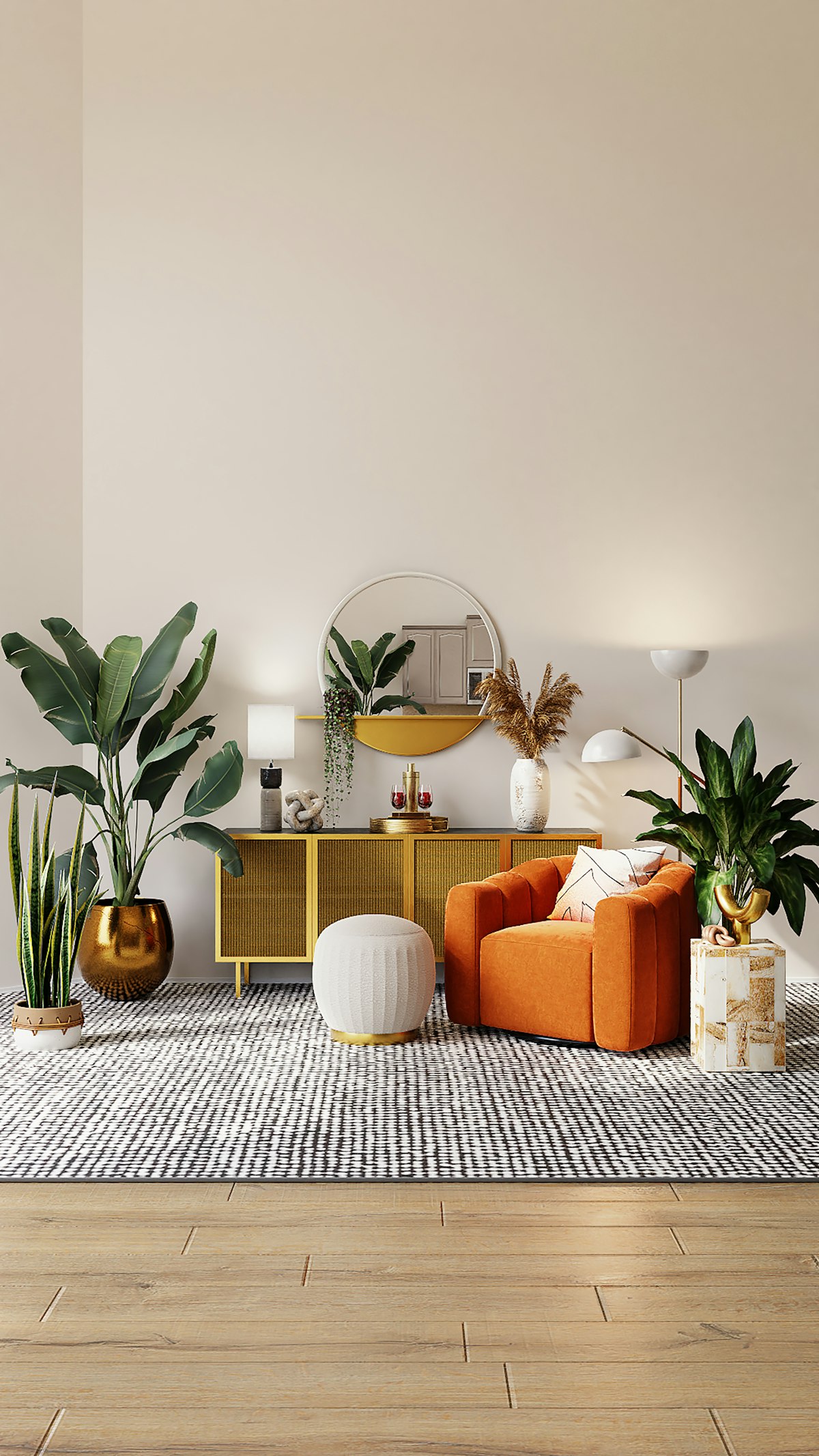
For furniture buyers, this trend is good news. It rewards pieces that solve everyday problems while adding character: sectionals that invite conversation, fluted cabinets that bring shadow and rhythm to a wall, oak nightstands that warm up a bedroom, and desks or vanities that make routines feel designed instead of improvised. For renovators, it offers a more sustainable path than replacing everything with the newest finish. The goal is to keep what has substance, improve what is dated, and add furniture that bridges old and new.
1. Why the “blank slate” room is losing momentum
For years, the safest interior formula was visual quiet: pale walls, nearly invisible hardware, low-contrast furniture, and decor chosen mainly because it would not offend anyone. That approach still has a place, particularly in small rooms or rental properties, but the cultural appetite has shifted. People are spending more time evaluating whether their homes support real routines: working, hosting, resting, storing, getting ready, and making family spaces function. A room that photographs well but cannot absorb daily life feels incomplete.
Personality-first design responds by giving each room a clearer point of view. Instead of asking whether every item matches, it asks whether each item contributes: comfort, storage, texture, memory, color, or utility. A beige sectional can still belong, but it needs contrast around it: a dark wood cabinet, a sculptural lamp, a patterned rug, a row of books, a stoneware bowl, or a warmer wall color. A white kitchen can still work, but it benefits from wood, visible grain, better lighting, and hardware that feels chosen rather than default.
The trend is also a reaction against disposable decorating. When a room is built around a viral look, it can become dated quickly. When it is built around durable furniture, layered materials, and personal objects, it ages more gracefully. That makes the new direction useful for both style and budget. You do not need to chase every microtrend; you need a stronger base and a few high-impact updates.
2. Retro references are returning, but the update is cleaner
Current design coverage is full of retro cues: 1960s offices, Space Age interiors, mid-century kitchen redos, curved bars, and rooms with fewer hard lines. The important point is that today’s retro revival is not a costume. It is not about turning a living room into a film set or buying every orange object you can find. The modern version borrows the warmth and confidence of earlier eras while keeping the floor plan livable and the palette edited.
Look for three translation points. First, shape: rounded corners, generous seating, arched mirrors, and softer profiles make rooms feel more human. Second, material: walnut, oak, rattan, fluting, boucle, linen, and matte metal all add depth without shouting. Third, lighting: layered lamps, LED accents used carefully, and task lighting help a room shift from daytime function to evening atmosphere.
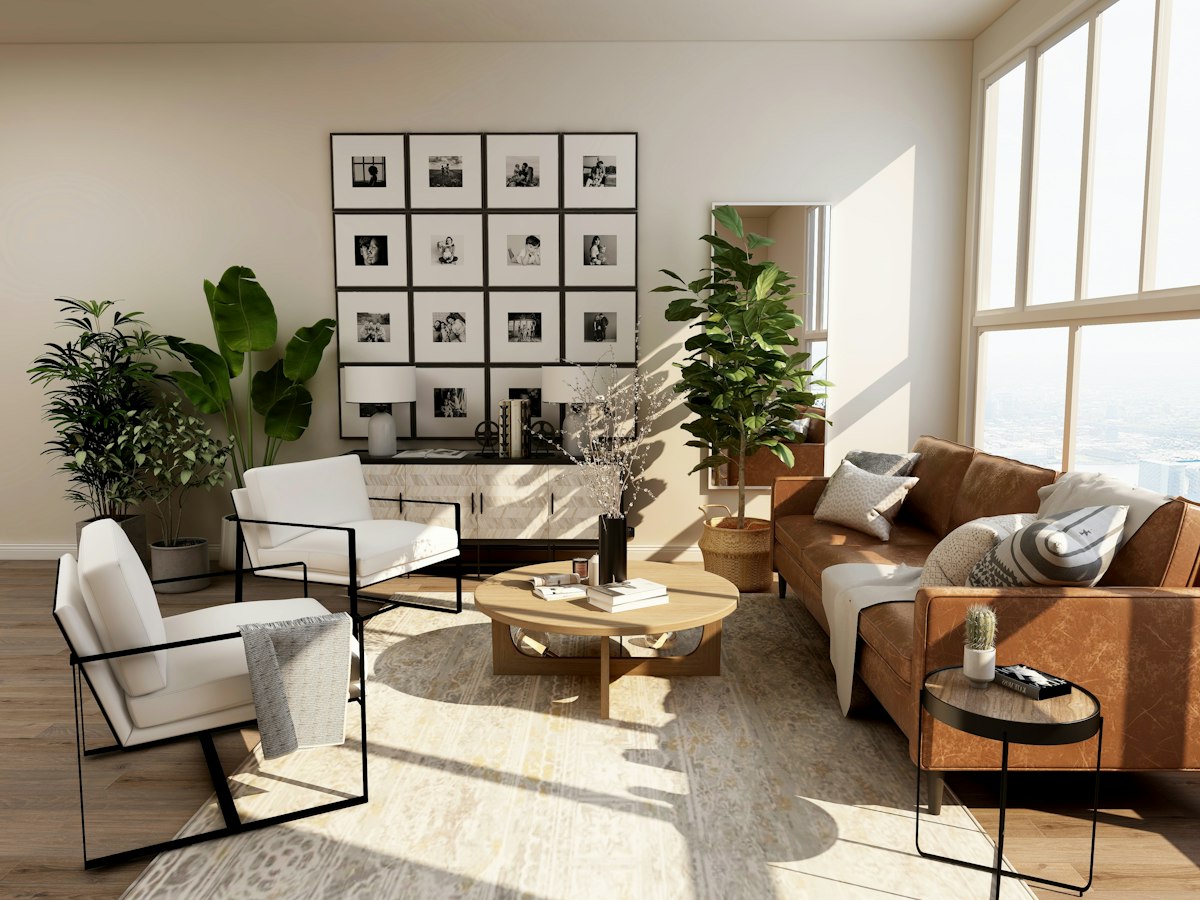
This is where furniture can do much of the work. If a renovation budget is limited, keep the envelope simple and let the movable pieces create the era reference. A sectional with a chaise can establish a lounge mood. A fluted cabinet can bring a mid-century rhythm to a dining area or living room. A nightstand in oak or rattan can soften a bedroom that otherwise has plain walls and standard flooring. These choices are flexible: if your taste changes in five years, the room can evolve without demolition.
The cleaner update also avoids one of the big risks of retro design: heaviness. Pair wood with light upholstery. Pair fluted texture with flat surfaces. Pair a dramatic lamp with quiet bedding. The room should feel layered, not trapped in a theme.
3. Renovation is becoming more selective and less wasteful
One of the most practical parts of the current home conversation is the renewed interest in working with existing materials. Oak cabinets are a good example. Instead of painting every dated cabinet white, many renovators are learning how to clean, tone, re-hardware, and restyle wood so it feels intentional. The same logic applies to flooring, brick, built-ins, and older furniture. If a material is solid, it may be better to rebalance it than remove it.
Selective renovation starts with a diagnosis. Ask what is actually making the room feel tired. Is it the cabinet color, or is it the harsh ceiling light? Is the sofa wrong, or is the room missing storage? Are the walls the problem, or are the small accessories too scattered? Often the fix is a sequence of smaller upgrades: change hardware, add a storage cabinet, improve lighting, replace one oversized item, and introduce a warmer textile palette.
This approach is not only budget-friendly; it also produces more personal spaces. A room with one inherited piece, one updated cabinet finish, one new storage solution, and one strong seating anchor has more depth than a room ordered entirely from a single collection. The trick is to create repetition. Repeat a wood tone two or three times. Repeat a curved shape. Repeat black, brass, or oak in small moments. Repetition makes mixed pieces feel intentional.
4. Storage is the quiet hero of character-rich rooms
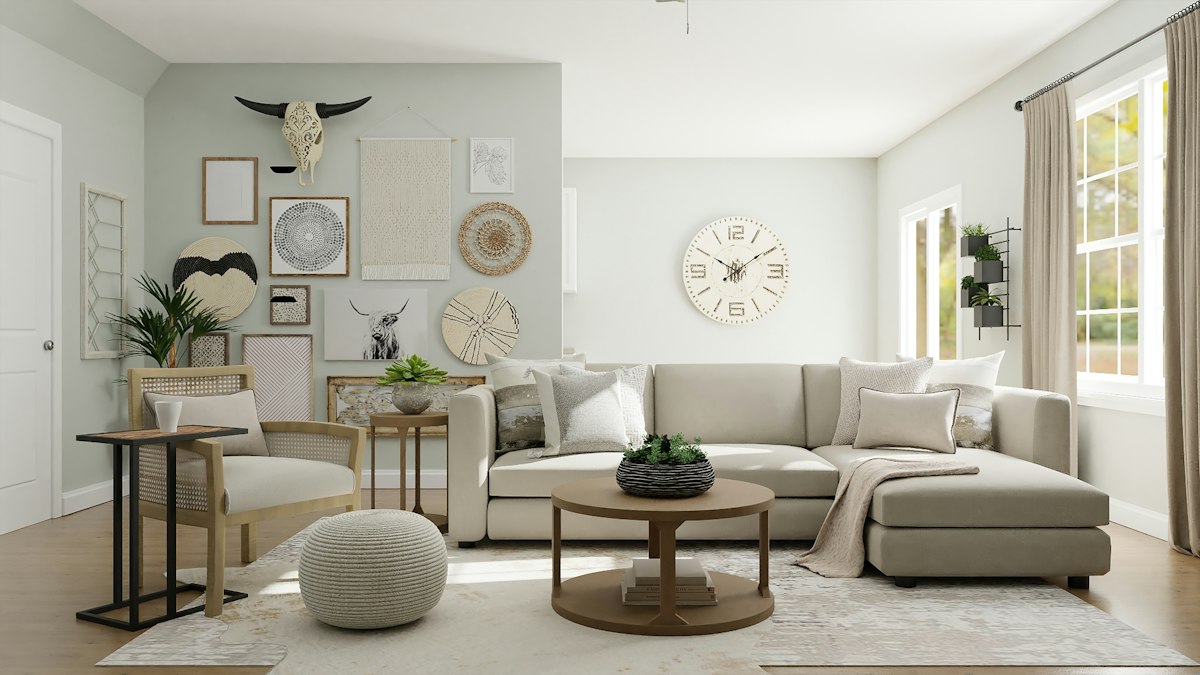
The more layered a room becomes, the more storage matters. Books, throws, games, beauty tools, chargers, dinnerware, paperwork, and seasonal objects all add life, but they also create visual noise when there is nowhere to put them. That is why cabinets, nightstands, sideboards, and multifunctional desks are central to the personality-first trend. They allow a home to show character without showing every cord, receipt, and backup candle.
Storage furniture also adds architecture in rooms that lack it. A long TV stand can visually ground a blank wall. A buffet cabinet can make a dining area feel finished even without built-ins. A nightstand with drawers can make a bedroom feel calmer immediately. A vanity with drawers can turn a messy morning routine into a defined zone. These are not decorative afterthoughts; they shape how the room works.
Texture is especially important. Flat white storage can disappear, which is sometimes useful, but fluted fronts, rattan panels, oak grain, and warm walnut tones add the kind of shadow and detail that makes a room feel designed. If your space already has busy patterns, choose quieter storage. If your space is plain, storage with visible texture can become the feature.
5. How to apply the trend without overdoing it
The easiest mistake is trying to make every object interesting. Personality-first interiors still need rest. A good formula is one anchor, one texture story, one practical storage move, and one personal layer. The anchor might be a sofa, bed, dining table, or desk. The texture story might be oak, rattan, fluting, linen, or boucle. The storage move might be a cabinet, nightstand, or vanity. The personal layer might be books, art, travel objects, framed family photos, or ceramics.
Color should support the same idea. Warm neutrals, muted greens, clay tones, deep browns, soft blacks, and creamy whites are easier to live with than high-saturation palettes. If you love bold color, use it where it can change: pillows, art, small tables, lampshades, or a painted accent piece. Keep expensive items more adaptable unless you are completely sure.
Finally, edit after you add. A room should feel collected, not crowded. Leave breathing space around the best pieces. Put away duplicates. Use trays, baskets, and drawers. Let one wall be quieter than the others. The goal is a home that reveals personality over time, not one that explains itself all at once.
Practical Takeaways
- Start with function. Identify the daily problem first: seating, storage, lighting, work surface, or bedroom organization.
- Keep strong existing materials. Wood cabinets, older floors, and substantial furniture can often be refreshed instead of replaced.
- Use texture as a low-risk update. Fluting, rattan, oak grain, linen, and layered textiles add depth without requiring loud color.
- Choose one retro cue at a time. A curved sofa, warm wood cabinet, or mid-century lamp is more flexible than a fully themed room.
- Build storage into the design plan. Character looks better when everyday clutter has a place to go.
Featured Products
These Vektaya pieces fit the personality-first direction because they combine visible design detail with everyday utility.
107" L-Shaped Modular Sectional Sofa with Chaise, Beige - Vektaya

A generous sectional gives a personality-first room the relaxed anchor it needs: one large, comfortable shape that can handle patterned pillows, a vintage side table, layered lighting, and real family life without feeling precious.
Price: $299.99
61.5" Rattan TV Stand for TVs up to 65", 4-Door, Walnut - Vektaya

A fluted or rattan-accented storage piece supports the trend’s practical side. It adds rhythm and texture while hiding the visual clutter that can make layered rooms feel chaotic instead of curated.
Price: $239.99
Rattan Nightstand with Charging Station, 3 Drawers, Caramel Oak - Vektaya

A compact oak nightstand with charging keeps the character-rich idea useful in the bedroom: warm material, visible detail, and modern function in one small footprint.
Price: $169.99
Research Signals Behind This Article
Today’s topic was selected after reviewing current furniture, interior design, and renovation signals from design news and home publications. Recent headlines point toward retro references, book-filled interiors, mid-century updates, cabinet refreshes, and warmer, more personal rooms.
- The 20 Chicest Interior Design Trends of 2026 So Far – Think Personality, Pattern, and Patina - Homes and Gardens
- Forget 'Sad Beige': 6 Summer Home Trends Heating Up for 2026 - Brit + Co
- The 11 Key Interior Design Trends Set to Define 2026 - Vogue
- Hot Take: Our Homes Aren't “Weird Enough”—Here's How Designers Want to Fix That - House Beautiful
- The One Decor Trend Designers Say You Won't See Again This Year - The Spruce
- Designers Are Calling It: These Interior Design Trends Will Be Everywhere in 2026 - Good Housekeeping
Conclusion: Make the room feel lived-in, not left behind
The best version of this trend is not messy, nostalgic, or expensive. It is a smarter way to update a home: preserve what has value, add furniture with function and texture, and let personal layers do the storytelling. Whether you are planning a full renovation or just trying to make one room feel more finished, start with the pieces that change daily life. A better sofa changes how people gather. A better cabinet changes how the room stays organized. A better nightstand changes how the bedroom begins and ends each day.
If your home is ready for more warmth, storage, and character, explore Vektaya’s latest furniture collections and choose one practical anchor piece to build the next layer around.
0 comments