Warm Minimalism Meets Character-Rich Renovation
Published July 11, 2026
Interior design is moving into a more forgiving, more human phase. After years of ultra-white minimalism, fast room makeovers, and trend cycles that asked every home to look freshly staged, the strongest current direction in furniture, interiors, and renovation is warmer and more personal: calm rooms with texture, natural materials, useful storage, and just enough architectural character to feel rooted.
That does not mean clutter is back, and it does not mean every renovation needs to become a museum of exposed brick and antique hardware. The shift is subtler. Homeowners still want cleaner lines, easier maintenance, and rooms that photograph well. But they also want spaces that absorb real life: the books, blankets, shoes, charging cables, seasonal decor, hosting supplies, and everyday mess that make a home functional. The best rooms now balance restraint with warmth. They edit, but they do not erase.
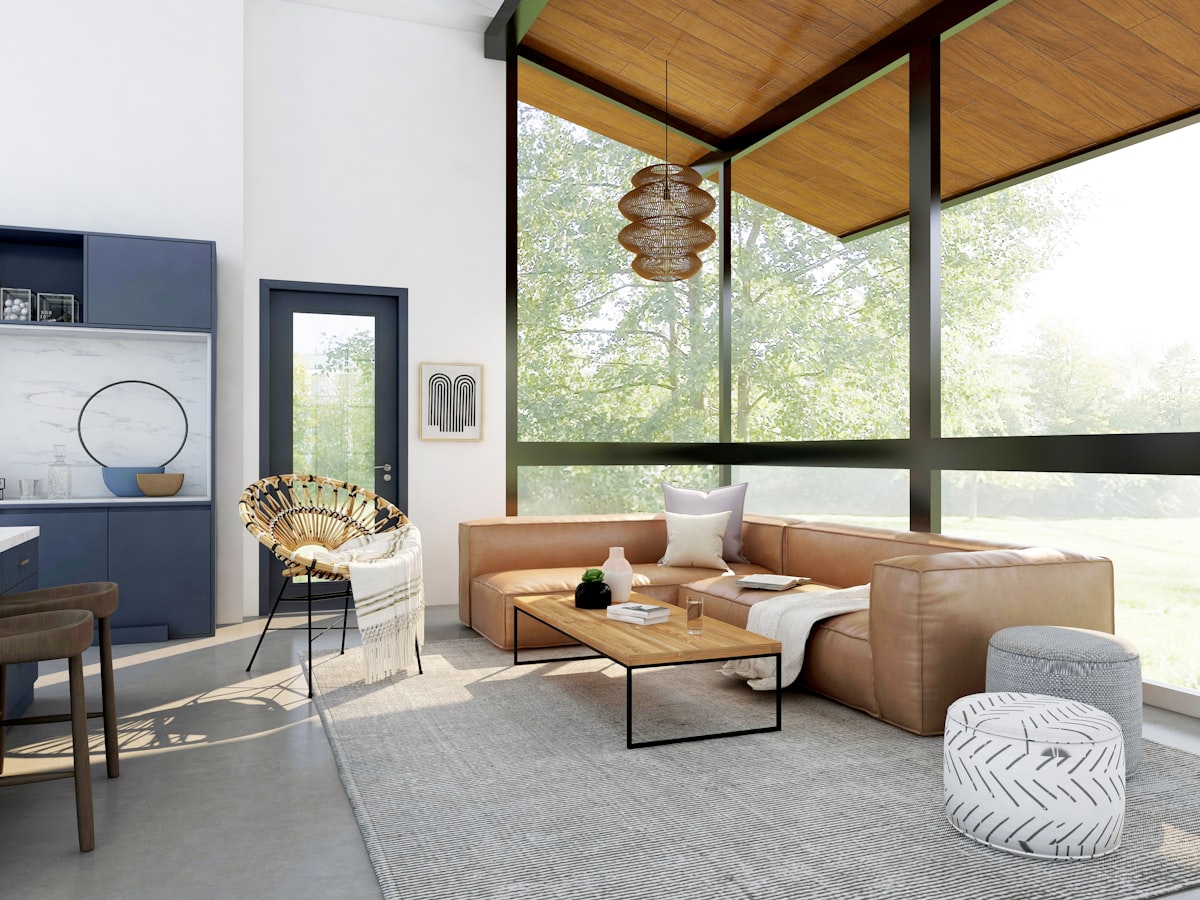
Recent coverage across interiors and home publications points in the same direction: warmer neutrals, wood tones, natural texture, smaller-space functionality, and renovation choices that preserve personality rather than replacing everything with generic finishes. For furniture buyers, this is good news. The trend rewards pieces that do more than fill a blank wall. A cabinet can become the visual anchor that calms an open-plan room. A wood-toned table can soften a newly painted space. A comfortable chair, bench, or bedroom piece can keep a minimal room from feeling like a showroom.
Below is a practical guide to the trend, what is driving it, how to apply it room by room, and which furniture pieces are worth prioritizing if you want a home that feels current without looking disposable six months from now.
1. Why Warm Minimalism Is Replacing the Cold White Box
Minimalism is not disappearing; it is maturing. The earlier version often relied on visual absence: white walls, hidden storage, thin silhouettes, and as few objects as possible. That approach can look beautiful in photography, but many people discovered that it is difficult to maintain in daily life. A room that depends on emptiness starts to feel chaotic the moment a backpack, delivery box, or laundry basket appears.
Warm minimalism solves that problem by keeping the clarity of minimal design while adding elements that are more forgiving. Instead of stark white, it uses cream, oatmeal, clay, mushroom, taupe, caramel, and soft greige. Instead of glossy surfaces everywhere, it leans on wood grain, woven texture, matte finishes, stone-like surfaces, and tactile fabrics. Instead of eliminating decorative objects, it groups them with intention.
The renovation lesson is simple: if the bones of a room are already quiet, add warmth through materials. If the bones are busy, simplify the palette while keeping the best character features. A good warm minimalist room does not feel empty. It feels edited, breathable, and comfortable enough to use.
Furniture plays a central role because it sets the tone faster than paint or accessories. A low cabinet in a warm finish can make a plain wall look finished. A soft upholstered seat can make a renovated room feel less newly constructed. A bedside table, console, or storage piece with clean lines can support the minimalist idea while making the room easier to live in.
2. Character-Rich Renovation: Preserve the Best, Simplify the Rest
The second half of the trend is the return of character. Many homeowners are tired of renovations that remove every quirk and replace it with the same flat-pack visual language. Original moldings, arched openings, older floorboards, brick, imperfect plaster, built-ins, and vintage-inspired hardware are being treated as assets again. Even in newer homes, designers are adding character through texture, proportion, and furniture rather than relying only on decorative accessories.
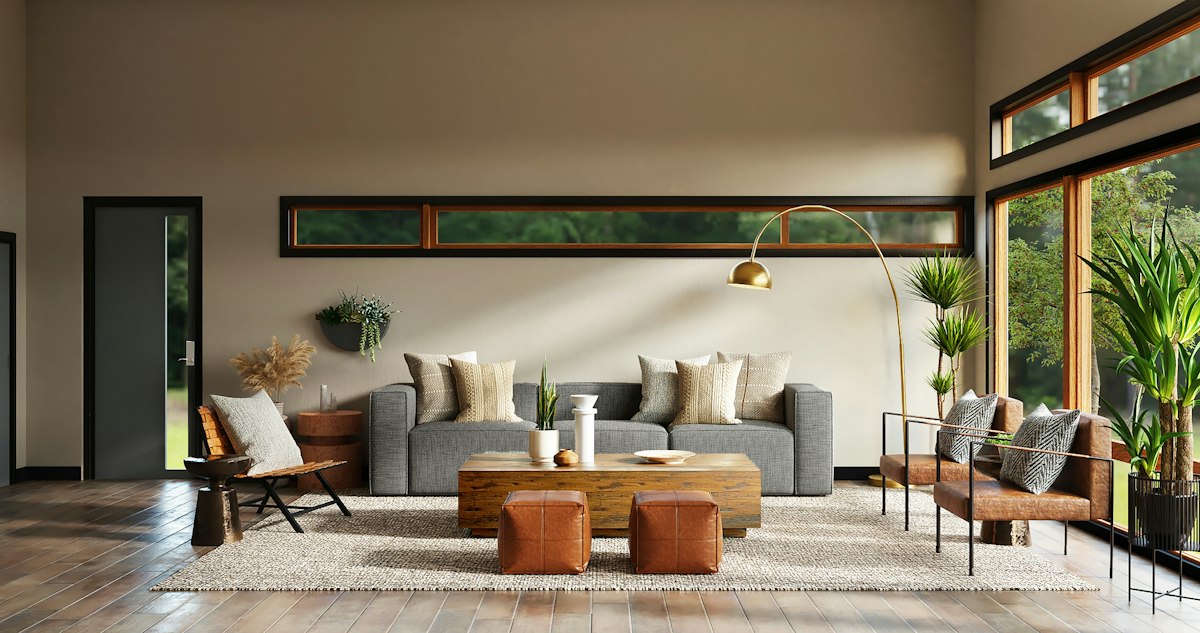
The trick is not to keep everything. Character-rich renovation works best when the homeowner chooses a hierarchy. Keep the feature that gives the space identity, then reduce the noise around it. For example, if a room has beautiful wood floors, let them lead by choosing quieter rugs and furniture. If the fireplace is the focal point, avoid surrounding it with competing storage pieces. If the kitchen has strong cabinet grain, keep nearby dining furniture simple and proportionate.
This is where many renovations go wrong: they preserve a feature but then add too many loud supporting elements. The room becomes nostalgic rather than layered. Warm minimalism provides the discipline. Character gives the room soul; minimalism gives it clarity.
For furniture selection, look for pieces that can sit comfortably beside older or textured architecture without imitating it too literally. Clean-lined storage, softly rounded seating, simple wood tables, and calm bedroom furniture usually work better than overly ornate pieces. The goal is conversation, not costume.
3. Storage Is the Hidden Design Trend Behind Better Rooms
One of the least glamorous but most important interior trends is storage that looks intentional. As homes work harder—part office, part gym, part guest room, part family hub—people need furniture that can absorb more functions without making every room look utilitarian. This is especially true for apartments, open-plan living spaces, and renovated older homes where closet space may be limited.
Storage is also what makes warm minimalism possible. A minimal room cannot stay minimal if there is nowhere to put the objects of life. The solution is not to buy more baskets for every corner. It is to choose a few serious storage anchors: cabinets, sideboards, consoles, dressers, nightstands, or shelving units that match the tone of the room and reduce visual interruption.
When choosing storage, consider three things. First, scale: the piece should be large enough to solve the problem, not merely decorate the wall. Second, finish: warmer woods and softened neutrals tend to blend better with current palettes than high-gloss black or bright white. Third, rhythm: doors, drawers, and open shelves should support how the room is actually used. A beautiful cabinet that cannot hold the awkward items you own is not a solution; it is a future frustration.
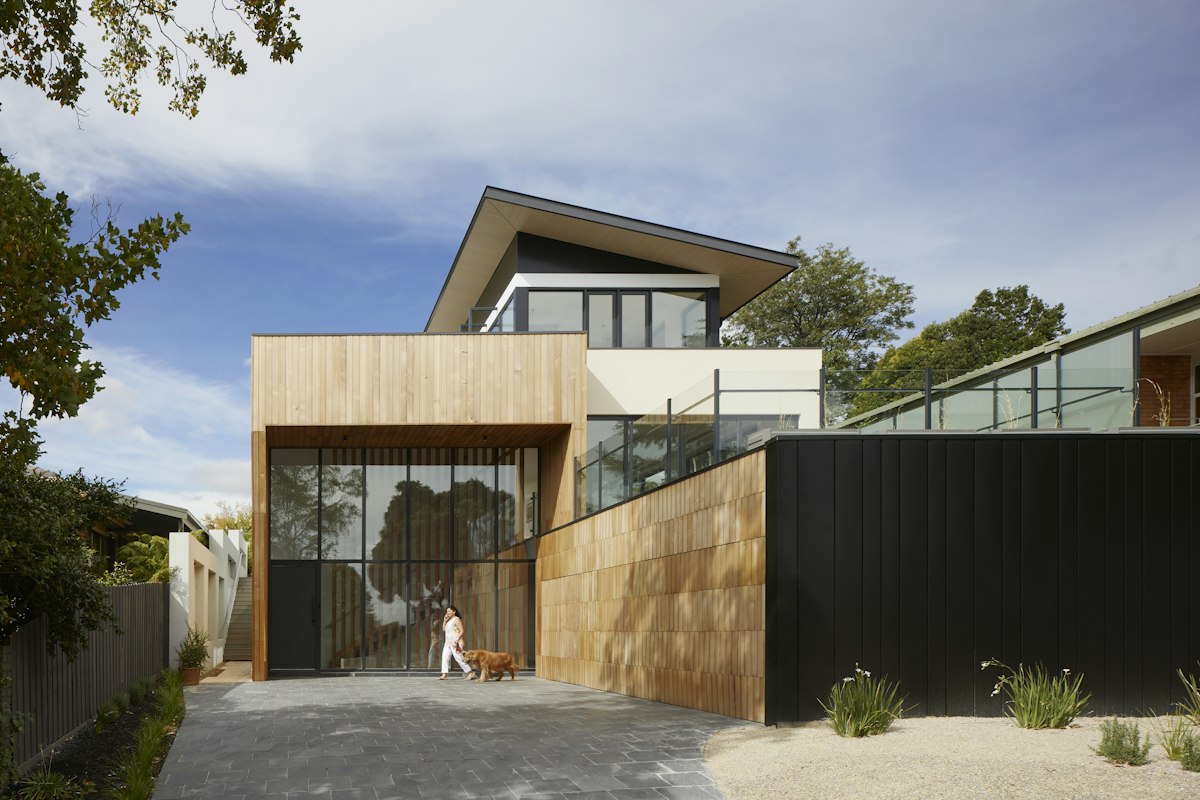
In renovation planning, storage should be discussed early rather than patched in later. Before choosing paint colors, list the categories the room must hold: media equipment, shoes, linens, toys, office supplies, dinnerware, hobby materials, or seasonal decor. Then assign them a home. This single step can make a finished room look more expensive because the design is not fighting clutter from day one.
4. Natural Materials Make Neutral Rooms Feel Alive
Neutral rooms fail when every surface has the same temperature and texture. A beige sofa beside a beige wall on a beige rug can look calm in theory but flat in practice. Natural materials prevent that. Wood, rattan, linen, cotton, wool, leather, stone, ceramic, and woven fibers all create small variations in shadow and tone. Those variations are what make a restrained palette feel alive.
This is why wood furniture remains so powerful in interiors. It brings pattern without requiring a printed motif. It adds warmth without forcing a bright color. It can make new construction feel grounded and older homes feel cared for. Even a single wood-toned piece can shift the mood of a room from sterile to settled.
The most current approach is not rustic overload. It is contrast in moderation. Pair smooth walls with visible grain. Pair tailored upholstery with a woven basket or textured cabinet. Pair a clean-lined bed with a warmer nightstand. Pair modern lighting with a table that has a tactile finish. The room should feel layered, not themed.
Color can still appear, but it is often quieter: olive, rust, muted blue, chocolate, deep cream, terracotta, and dusty rose. These shades work because they behave like natural materials rather than synthetic accents. If you prefer a calm home, keep color in flexible layers such as pillows, throws, art, and small decor while investing in furniture with durable shapes and finishes.
5. How to Apply the Trend Without Starting Over
The best part of warm minimalism and character-rich renovation is that you do not need to gut your home to use it. Start by removing what makes the room feel visually noisy: duplicate small tables, mismatched storage bins, tired temporary shelves, or decor that no longer fits your life. Then identify what the room already has going for it. Maybe it has good light, a comfortable layout, a nice floor tone, or one piece of furniture worth keeping. Build from there.
Next, choose one anchor upgrade. In a living room, that might be a storage cabinet or console. In a dining space, it might be a warmer table or sideboard. In a bedroom, it might be a nightstand, dresser, bench, or bed frame that makes the room feel calmer. One strong furniture decision often does more than five small accessories.
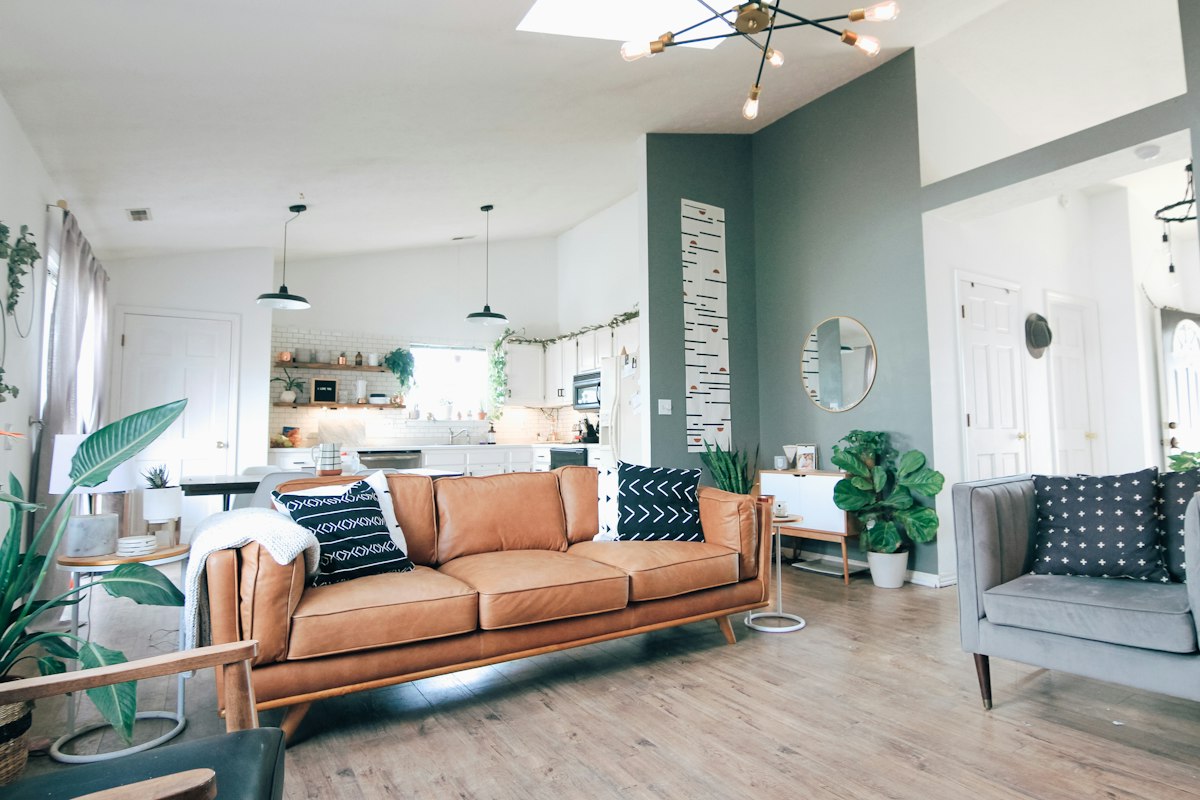
Finally, layer the sensory details. Add a lamp with a softer shade, a rug with texture rather than loud pattern, bedding that looks relaxed but not messy, and art that gives the room a point of view. The goal is to make the home feel designed, not staged. A staged room is finished for the camera. A designed room is ready for living.
Practical Takeaways
- Keep the edit, add warmth. Use minimal layouts, but replace cold whites and glossy finishes with warmer neutrals, wood, and tactile materials.
- Preserve one strong character feature. Let original floors, molding, brick, arches, or built-ins lead, then simplify surrounding furniture.
- Buy storage before accessories. A calm room needs a place for real-life objects. Choose storage pieces that are large enough to solve the problem.
- Mix textures within a tight palette. Wood, woven fibers, linen, wool, and matte ceramics keep neutral rooms from feeling flat.
- Choose furniture with longevity. Prioritize proportion, function, and material warmth over novelty shapes that may date quickly.
Featured Products from Vektaya
To translate the trend into a real home, focus on pieces that add function, warmth, and visual calm. These active Vektaya products were selected because they support the warm minimalist, character-friendly direction without overwhelming a room.
1. 71" Pantry Cabinet with Charging Station, 3 Drawers & 6 Barn Door-Vektaya

Price: $229.99
Use it as the quiet organizational backbone of a room: the piece that hides visual clutter while giving the surrounding architecture room to breathe.
2. 61.5" Rattan TV Stand for TVs up to 65", 4-Door, Walnut - Vektaya

Price: $239.99
This is the kind of tactile piece that keeps a neutral palette from feeling flat, especially when paired with linen, wool, stone, or plaster-like finishes.
3. Fluted LED Nightstand with Charging Station, Drawer Side Tables, Oak - Vektaya

Price: $139.99
Choose it when the renovation goal is not only a cleaner look, but a room that people actually want to settle into at the end of the day.
Research Notes
This article is based on current trend signals from interiors, furniture, and home publications reviewed today, including recent coverage from design and home sources. The recurring themes were warmer palettes, natural materials, storage-conscious layouts, and renovation choices that retain character.
- Jasmine Fisher transforms rented London office with moody material palette
- LMTLS creates wooden "gorge" inside New York skincare store
- "Experience of Brasília" evoked at interior installation in Niemeyer's São Paulo pavilion
- Eight-room Tokyo hotel designed to feel like staying "at the home of a tasteful friend"
- Nikolaj Mentze fits out Cobe's Copenhagen studio with architecture bookshop
Conclusion: Design for the Life You Actually Live
Warm minimalism and character-rich renovation are popular because they answer a practical need. People want homes that feel calmer, but they do not want rooms that punish them for living normally. They want renovations that feel fresh, but not anonymous. They want furniture that looks good, but also earns its floor space.
If you are refreshing a room this season, begin with the simplest question: what would make this space easier and more pleasant to use every day? From there, choose materials that feel warm, preserve the details that give your home identity, and invest in furniture that supports both order and comfort.
Ready to bring the look home? Explore Vektaya furniture pieces that add storage, warmth, and everyday function to modern interiors.
0 comments