The most interesting home trend today is not a single color, a viral sofa shape, or another promise that every room should be stripped back to almost nothing. The stronger signal running through current furniture, interior design, and renovation coverage is warm minimalism: calmer rooms that still feel human, tactile materials that make streamlined spaces less cold, and furniture that earns its footprint by solving everyday storage, lounging, or work-from-home needs.
This direction matters because homeowners are more selective than they were during the fast renovation boom. Instead of replacing everything at once, people are asking which changes will make a home feel better every day: better light, better storage, better textures under the hand, better seating for real life, and fewer objects that only look good for a photo. Recent design coverage from interiors and renovation publishers points to the same shift: natural surfaces, softer neutrals, wood tones, fluting, closed storage, and flexible furniture are being used to create rooms that are edited but not empty.
Why Warm Minimalism Is Replacing Cold Minimalism
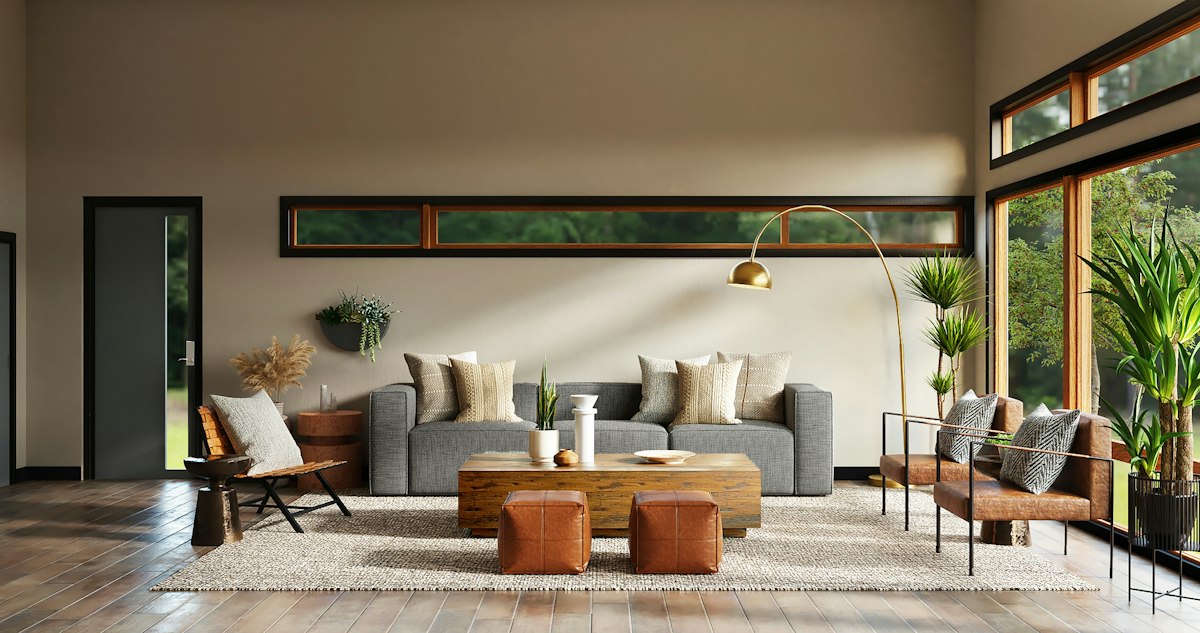
Minimalism has never really disappeared, but the version gaining momentum now looks different from the glossy white boxes that dominated earlier renovation cycles. The new version is softer, more practical, and more forgiving. Walls may still be quiet, but they are no longer the whole story. Designers are adding character through oak, walnut, rattan, woven panels, honed stone, brushed metal, linen, boucle, wool, and subtle surface rhythm. The goal is not to make a room look sparse; it is to make the room feel organized, rested, and useful.
The reason this trend has legs is simple: it works in both new renovations and partial updates. A homeowner does not need to gut a kitchen to participate. Swapping a flat media console for a rattan or fluted cabinet, changing a cold gray nightstand to a warm wood tone, or choosing a sectional with a softer silhouette can shift the entire mood of a space. The palette stays restrained, which makes the home easier to live with, but texture prevents the room from feeling unfinished.
There is also a sustainability-adjacent logic behind the look. Even when a product is newly purchased, shoppers increasingly want pieces that feel less disposable. Natural textures and classic silhouettes tend to age better than trend-heavy shapes. A warm minimalist room can absorb seasonal decor, family objects, books, plants, and changing needs without collapsing into visual chaos. That makes it a sensible design language for households that want a calmer home but still have real storage needs, pets, guests, children, hobbies, and devices.
The Renovation Focus Has Shifted from Showpiece to Sensory Comfort
For years, many home renovation conversations revolved around dramatic before-and-after moments: open a wall, replace every cabinet, make the kitchen photo-ready, and choose finishes that look impressive at resale. Those priorities still exist, but today's most livable interiors are paying closer attention to sensory comfort. How does the room sound when people gather? Is the lighting gentle enough at night? Can devices charge without cords taking over the surface? Does the room feel warm on a cloudy day? Are there enough drawers and doors to hide the things that make a home functional?
This is where tactile furniture does quiet but important work. A fluted drawer front adds shadow without demanding a bold color. A woven or rattan panel breaks up a wall of electronics. A modular sofa softens the geometry of a living room and creates a more relaxed way to gather. A sideboard turns visual clutter into one clean horizontal line. These changes may seem smaller than a full renovation, but they directly affect how a room is used.
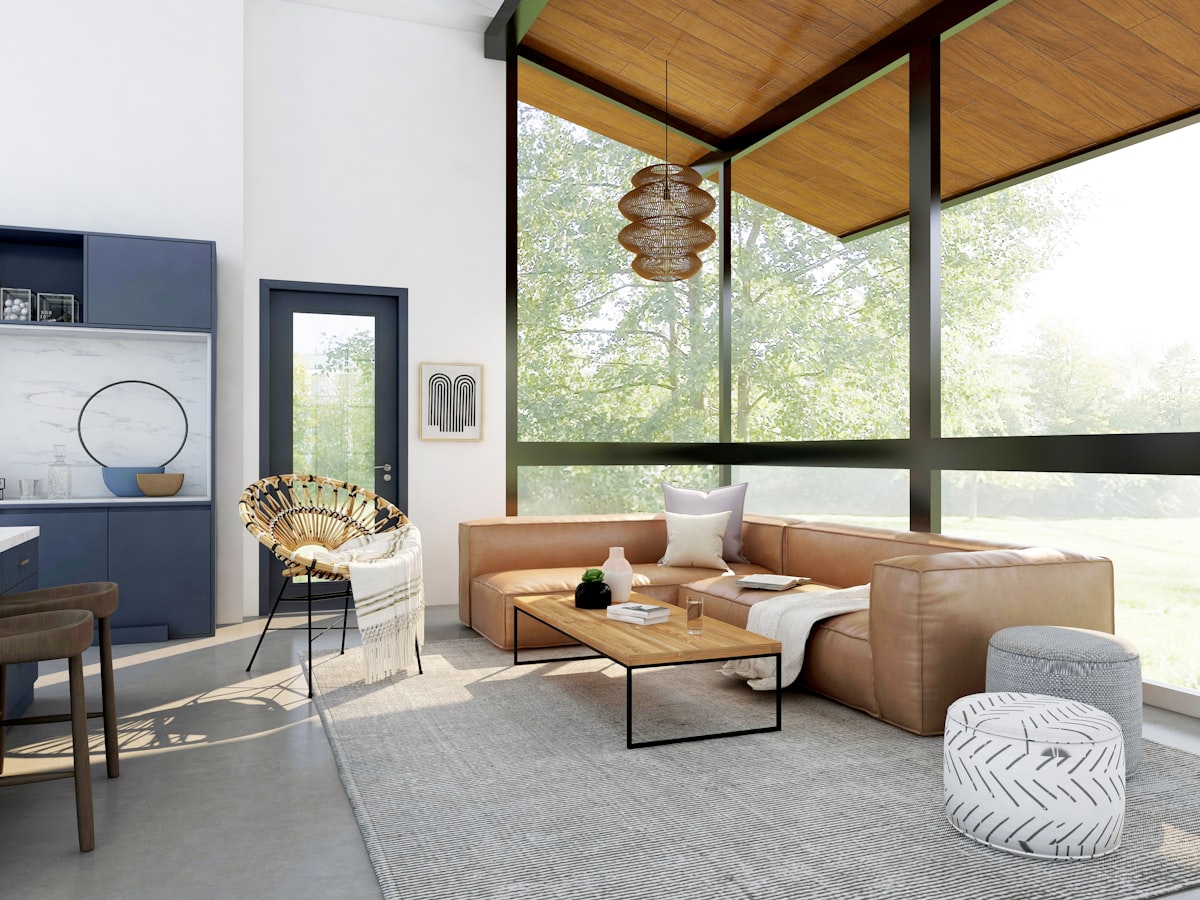
Warm minimalism also pairs well with the growing interest in wellness at home. The term wellness can be overused, but in interiors it often comes down to a few practical moves: reduce visual noise, choose comfortable seating, make lighting flexible, keep frequently used items within reach, and bring in materials that remind people of nature. These decisions help bedrooms feel more restorative, living rooms feel less like storage zones, and home offices feel less improvised.
Furniture Is Becoming the Flexible Part of the Renovation Plan
One reason this topic is trending across furniture and renovation is that furniture now carries more of the design burden. Renovation costs remain meaningful, schedules can be unpredictable, and many households are not ready to replace every built-in component. Furniture offers a faster, more reversible way to change how a home feels. The right piece can create a focal point, add concealed storage, define a zone in an open plan, or make a rental feel more custom without permanent construction.
That does not mean buying more furniture. In fact, the better strategy is usually buying fewer, more capable pieces. A sectional can replace a sofa-and-chair combination in a compact living room. A nightstand with charging can eliminate a separate cable station. A cabinet with doors can replace open shelving that always needs styling. A vanity or desk with drawers can keep daily routines contained. The warm minimalist home is not anti-storage; it simply wants storage to look intentional.
Scale is crucial. Oversized furniture can make a calming room feel cramped, while too many small pieces can make it feel busy. Measure circulation paths first, especially around sofas, beds, and dining areas. Leave enough breathing room for doors and drawers to open fully. When choosing storage, prioritize the type of mess you actually have. Media components, table linens, cosmetics, pantry overflow, children's craft supplies, and work-from-home gear all need different interior layouts. A beautiful cabinet is only calming if it can absorb the clutter you need it to absorb.
How to Apply the Trend Without Making the Room Boring
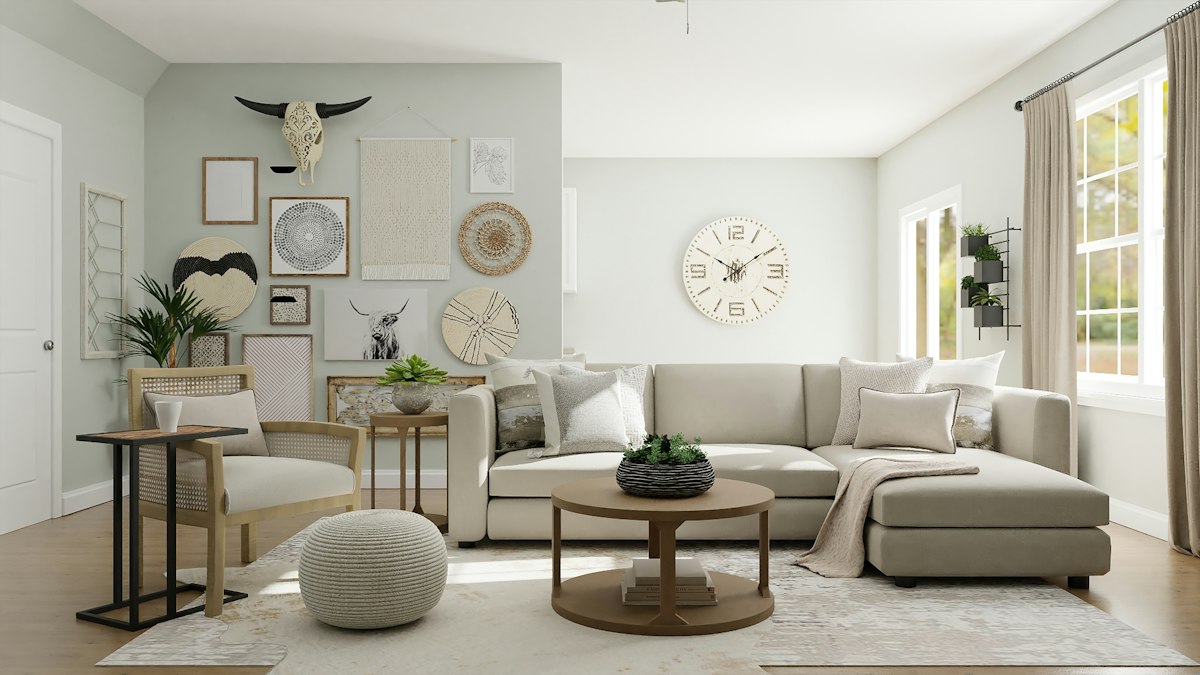
The risk with any minimalist trend is sameness. A room with beige walls, beige upholstery, beige curtains, and beige decor can look peaceful in a cropped image but flat in real life. The fix is contrast, not clutter. Use a narrow palette, then vary the materials inside it. Pair matte painted walls with wood grain. Put a smooth lamp on a ribbed cabinet. Mix a soft sofa with a structured table. Add one deeper tone, such as walnut, charcoal, olive, clay, or chocolate brown, so the room has visual weight.
Lighting is another difference-maker. Warm minimalism depends on layered lighting: ambient light for the whole room, task light for reading or grooming, and accent light to make textures visible. If a renovation is planned, dimmers and well-placed outlets are worth prioritizing. If construction is not planned, choose furniture that helps manage electricity gracefully, such as nightstands, desks, or cabinets with charging features. The goal is not to hide modern life; it is to make modern life look less chaotic.
Decor should be edited, but it should not disappear. One large artwork, a sculptural vase, a stack of books, a plant with real scale, or a textured rug can do more than a dozen tiny accessories. Personal objects are welcome when they have room to breathe. The most successful warm minimalist rooms often look as if someone removed the unnecessary items and then kept the objects that carry memory, function, or honest beauty.
Practical Takeaways for Your Next Room Update
- Start with the clutter pattern, not the color palette. Decide what needs to be hidden, displayed, charged, folded, or accessed every day before buying furniture.
- Use texture as the main design move. Fluting, rattan, oak grain, linen, boucle, and woven surfaces add depth while keeping the room quiet.
- Choose warmer neutrals. Cream, sand, oat, taupe, clay, mushroom, and light walnut tend to feel more current than stark white and cool gray.
- Buy furniture that does more than one job. Look for seating with generous scale, cabinets with closed storage, bedside pieces with drawers, and desks or vanities that organize daily routines.
- Leave negative space on purpose. A calm home needs empty surfaces, but those empty surfaces only last when storage is close by.
- Layer lighting. Use table lamps, floor lamps, sconces, and dimmers to make texture visible and reduce the harshness of overhead light.
- Avoid copying a trend too literally. The room should still reflect how you live, not just what is currently circulating online.
Featured Products for a Warmer, Calmer Home
The following Vektaya pieces fit the warm minimalist direction because they combine practical function with texture, storage, or softer room planning. Each one can help update a room without requiring a full renovation.

1. 107" L-Shaped Modular Sectional Sofa with Chaise, Beige — $299.99
Use it as the room's soft anchor: a modular sectional makes warm minimalism feel generous rather than empty, while the chaise supports reading, lounging, and hosting without adding extra chairs.

2. Fluted LED Nightstand with Charging Station, Drawer Side Tables, Oak — $139.99
This is the small-space version of the trend: fluting, oak tone, closed drawers, and built-in charging keep the bedside calm instead of cluttered.

3. 61.5" Rattan TV Stand for TVs up to 65", 4-Door, Walnut — $239.99
Closed storage is one of the easiest ways to make a renovated room feel quieter. A textured cabinet or media unit hides everyday visual noise while adding the natural-material layer designers keep using.
Research Notes Behind the Trend
For this article, we reviewed current furniture, interior design, and home renovation coverage and looked for repeated signals rather than one-off style claims. The recurring pattern was clear: homeowners and designers are gravitating toward natural materials, warmer neutrals, better storage, flexible room layouts, and tactile surfaces that make simple spaces feel lived-in.
- A Basically All-Wood Paneled '70s Bathroom Got an Americana Folk Makeover (Apartment Therapy)
- I’ve Thought About This Family of 5’s 1-Bedroom Apartment Weekly for 3 Years (Apartment Therapy)
- The $0 Storage-Doubling Trick to Try on Your Bookshelf (Apartment Therapy)
- ALDI’s $10 Scalloped Woven Baskets Are Perfect for Decluttering and Organizing – And Actually Look Designer (Homes and Gardens)
- This Fragrant, Easy-to-Grow Herb Repels Destructive Garden Squirrels (But Smells Amazing to Humans) (Homes and Gardens)
Conclusion: Make the Home Calmer, Not Emptier
Warm minimalism is trending because it solves a real design problem. People want homes that feel peaceful, but they do not want rooms that feel sterile or impractical. The best version of the trend is not about owning less for the sake of a photograph. It is about choosing furniture, finishes, and storage that make daily life feel smoother. If you are planning a renovation, build the material palette around warmth, texture, and lighting. If you are updating one room at a time, start with the furniture pieces that will remove clutter and add comfort immediately.
Ready to bring the look home? Explore Vektaya's furniture collection for storage-rich cabinets, soft seating, vanities, desks, nightstands, and room anchors that make warm minimalism practical for everyday living.
0 comments