Homes in 2026 are being designed less like showrooms and more like recovery spaces. Across furniture, interior design, and renovation media, one theme keeps surfacing: wellness. That does not just mean buying a diffuser or painting a wall sage green. It means designing rooms that reduce friction, soften sensory overload, improve daily routines, and make people feel physically and mentally better at home.
The trend is gaining momentum for a reason. Recent remodeling coverage has highlighted continued strength in the renovation market, with bathrooms and kitchens remaining the most common upgrade priorities and with smart fixtures, sustainable products, and personalized design choices influencing decisions. At the same time, spring 2026 design commentary has emphasized warmer palettes, expressive stone, richer pattern, and a more layered form of comfort. Put together, these signals point to a clear direction: people want homes that feel grounded, restorative, and highly livable.
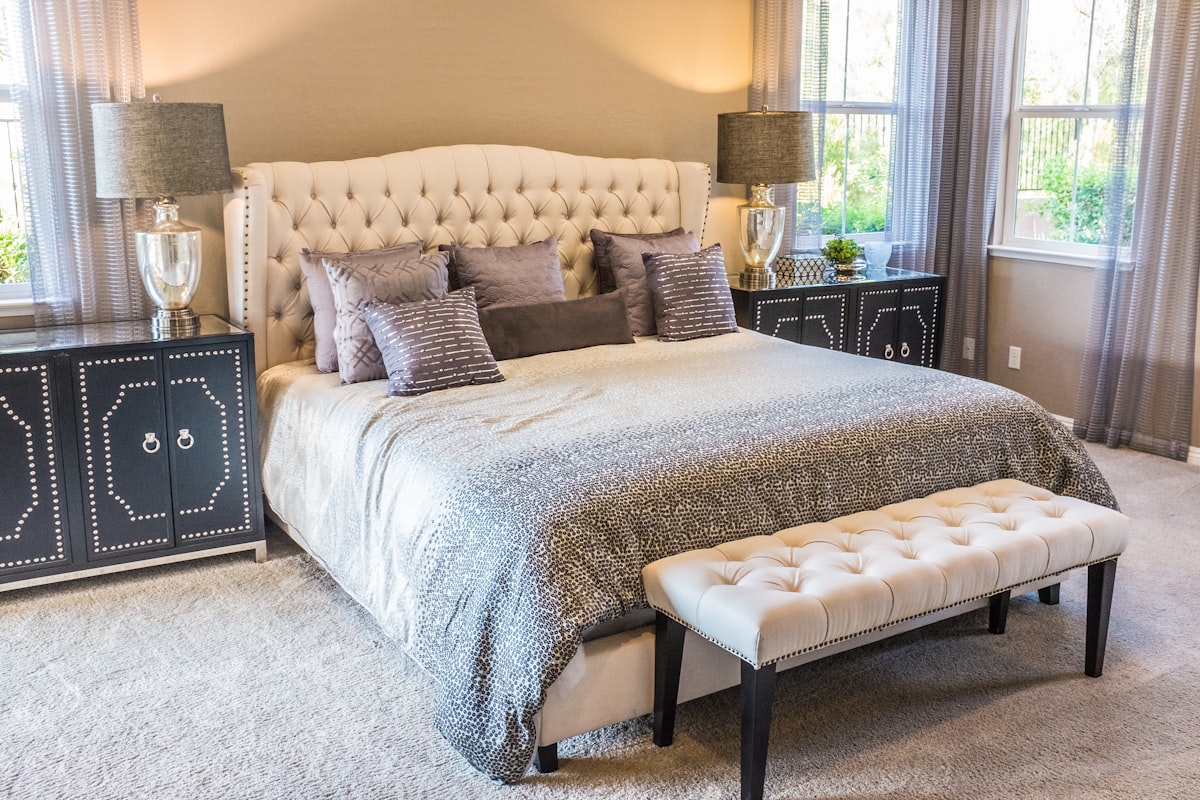
For furniture shoppers, that changes what matters. Buyers are looking for supportive seating, softer silhouettes, integrated storage, natural textures, and pieces that help rooms function without feeling cold or overdesigned. For homeowners planning updates, it means prioritizing light, air flow, tactile materials, clutter control, and a balance between beauty and ease. Wellness-driven interiors are not a niche aesthetic anymore. They are becoming the operating system for how people evaluate a room.
1. Why Wellness Has Become the Most Influential Design Story of 2026
The popularity of wellness-led design reflects a broad lifestyle shift. The home is now expected to do more than ever: support work, rest, hosting, focus, exercise, beauty routines, and recovery. That increased pressure is pushing consumers away from trend-for-trend’s-sake decorating and toward choices that make everyday life smoother. Designers are responding with rooms that feel quieter, warmer, and more intentional.
Industry reporting this March reinforces the point. Coverage of bath and kitchen remodeling trends has noted that the residential remodeling market remains resilient, that aging housing stock continues to drive updates, and that buyers are especially interested in features combining convenience with comfort. In practical terms, that means touch-friendly layouts, better storage planning, improved lighting, sustainable materials, and fixtures that support a more spa-like experience. Wellness is not replacing renovation; it is becoming the lens through which renovation decisions are made.
Even trend forecasts that focus on style details are arriving at the same destination. Warmer tones, bold stonework, layered pattern, and soft luxury are all part of a move away from stark minimalism. The goal is no longer to make a space look untouched. The goal is to make it feel good to live in.
2. The Look of a Wellness Interior: Warm, Layered, and Calm
Visually, wellness interiors are moving toward a more human-centered kind of richness. Instead of cool all-white rooms and hard-edged contrast, 2026 is favoring earthy neutrals, mushroom tones, oat and sand fabrics, walnut finishes, and muted greens or clay-inspired accents. Designers are also leaning into natural grain, subtle curves, fluting, cane and rattan textures, and stone with noticeable movement. These details add visual depth without making a room feel noisy.
This matters for furniture because silhouettes now carry emotional weight. A deep sectional that invites lounging, a fluted nightstand that softens a bedroom corner, or a rattan-front media unit that lightens a living room visually all contribute to a calmer environment. The best wellness-oriented rooms do not rely on a single dramatic hero piece. They build comfort through many smaller decisions: softer edges, lower visual clutter, warmer finishes, and enough texture to make a room feel tactile instead of flat.
Importantly, layered does not mean crowded. The trend is about sensory balance. A room can include pattern, stone, wood, and upholstery as long as the palette remains coherent and circulation stays easy. That balance is one reason wellness interiors appeal to both minimalists and more decorative homeowners. The aesthetic is flexible, but the feeling is consistent: calm, grounded, and restorative.
3. Renovation Priorities Are Shifting Toward Everyday Recovery

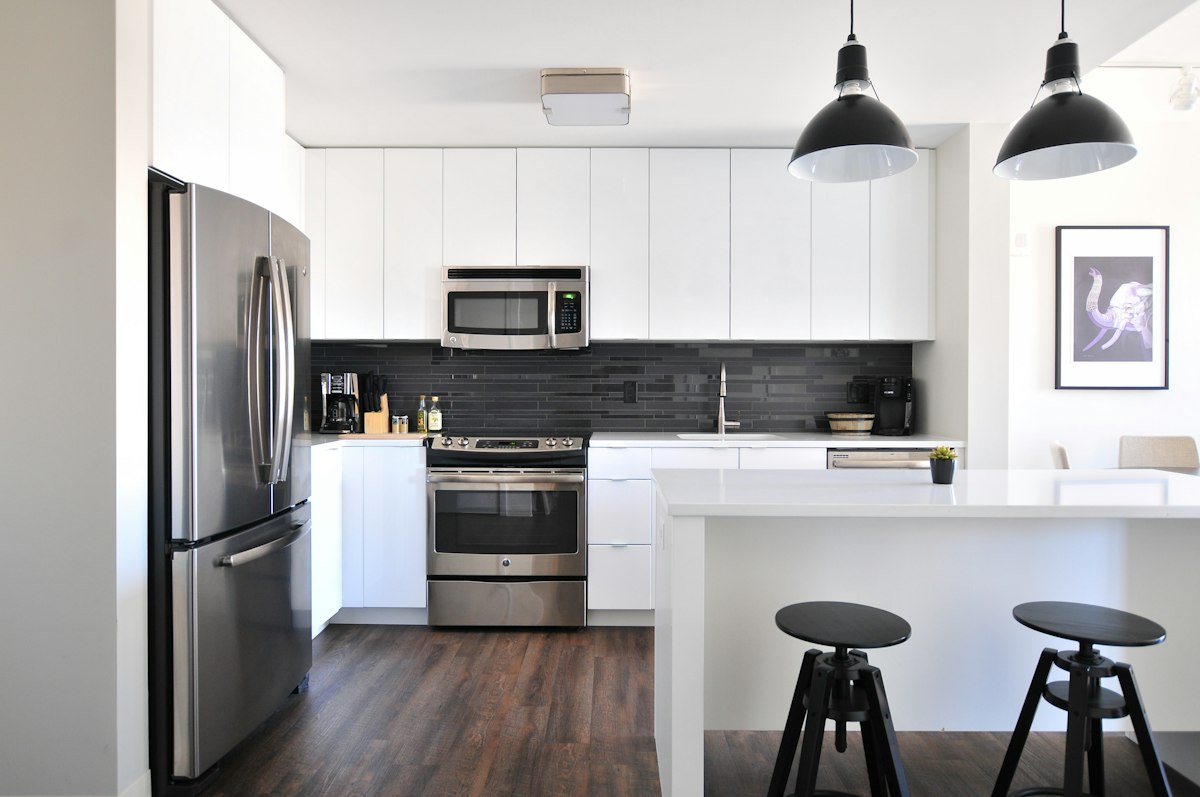
If wellness is the leading design story, bathrooms and kitchens are where it becomes tangible. In bathrooms, homeowners are leaning into hotel and spa references: better lighting, less visual clutter, warmer finishes, upgraded vanities, and fixtures that feel more intuitive to use. In kitchens, the shift shows up through practical luxury: thoughtful storage, charging zones, easy-clean surfaces, filtered water, and layouts that reduce friction during busy routines.
These upgrades are not always huge gut renovations. Many are mid-scale interventions with outsized impact. Better task lighting can reduce stress in both grooming and cooking zones. Smart fixtures can improve convenience and water efficiency. More organized cabinetry can make a room feel instantly calmer. And because much of the housing stock is older, homeowners are often refreshing tired rooms with new surfaces, more ergonomic layouts, and materials that feel healthier and easier to maintain.
That same logic extends into bedrooms and living spaces. People want bedrooms that support better evening routines, and living rooms that encourage decompression instead of screen-heavy sprawl. Furniture with charging, concealed storage, or multiuse functionality fits naturally into that demand because it keeps daily essentials close without making the room look chaotic.
4. Smart Comfort and Sustainable Materials Are No Longer Optional Extras
Another reason wellness interiors are trending now is that buyers increasingly connect comfort with both technology and material quality. Smart lighting, charging integration, touch-friendly controls, and better space planning all improve the lived experience of a room. At the same time, consumers are paying closer attention to what surrounds them physically: wood tones over stark plastics, fabrics that feel inviting, and finishes that age gracefully rather than looking disposable.
Sustainability overlaps with this trend in an important way. A wellness room is not just about softness; it is also about longevity. People want pieces they will keep, not replace in a year. They want furniture that functions hard, stores well, and visually outlasts short-lived internet aesthetics. That is one reason natural textures, classic silhouettes, and adaptable neutral palettes are performing so well. They deliver emotional durability alongside practical durability.
For retailers and product curators, the message is clear: features once treated as bonuses now help close the sale. Integrated charging, generous storage, versatile scale, and materials that read as warm and substantial are central value points. Wellness is shaping not only how homes look, but also how product benefits should be communicated.
5. What This Trend Means for Furniture Buyers Right Now
The wellness trend is especially relevant because it translates into concrete buying criteria. Shoppers are asking whether a piece makes a room easier to use, visually lighter, and more comfortable to inhabit. That benefits products with strong utility and a calm visual language.
In the living room, that means plush sectionals, warm wood storage, and media units that conceal clutter. In the bedroom, it means nightstands and vanities that support routines with organized storage and integrated lighting. In dining or multipurpose zones, it means sideboards and cabinets that reduce mess while adding texture. The best-performing pieces are often not the loudest ones. They are the ones that quietly remove friction from daily life.
For anyone following furniture and renovation trends, that is why wellness-driven interiors feel bigger than a seasonal headline. They unite aesthetics, function, and emotion in a way consumers immediately understand. And because they align with how people actually want to live, the trend has real staying power beyond 2026.
Practical Takeaways
- Start with comfort zones first: upgrade the sofa, bedside storage, vanity, or bathroom lighting before chasing decorative extras.
- Choose a warm, restrained palette with tactile contrast: wood, fluting, rattan, stone, soft upholstery, and layered textiles work well together.
- Reduce visual stress by favoring concealed storage and furniture that handles cables, chargers, and routine clutter.
- Look for renovation improvements that support recovery: better task lighting, intuitive layouts, and spa-like bathroom details deliver daily value.
- Buy for longevity. Pieces that combine useful features with calm, timeless styling are more aligned with the wellness trend than novelty items.
Featured Products
Here are three store picks that fit the wellness-driven interior direction particularly well:
107" L-Shaped Modular Sectional Sofa with Chaise, Beige - Vektaya

A deep sectional supports the core idea of wellness-focused living: the living room should feel like a place to land, not just a place to display. Its generous seating and soft profile suit layered, comfort-led spaces.
Price: $579.99
23" Fluted LED Nightstand with Charging Station, Drawers, Oak - Vektaya

This nightstand aligns with the trend toward better bedroom routines. Charging integration, drawers, and a textured fluted look help keep the bedside calm, functional, and visually warm.
Price: $199.99
61.5" Rattan TV Stand for TVs up to 65", 4-Door, Walnut - Vektaya

Natural texture and concealed storage make this piece a strong fit for wellness interiors. It helps reduce visible clutter while adding warmth and tactile character to a living area.
Price: $239.99
Conclusion
If one interior design movement defines 2026, it is the shift toward homes that actively support well-being. From spa-inspired remodels and warmer material palettes to smarter storage and more restorative furniture, wellness-driven design is changing how people furnish and renovate their spaces. It is not about perfection. It is about creating rooms that help you reset, focus, and feel better every day.
If you are refreshing a living room, bedroom, or multipurpose space this season, start with pieces that deliver real comfort, warm texture, and practical function. Explore our latest furniture collection to build a home that looks better because it lives better.
0 comments