The Biedermeier Revival: A Softer, Smarter Way to Furnish Now
For years, the safest shorthand for a stylish room was mid-century modern: tapered legs, walnut veneer, and a familiar low silhouette. That language still has a place, but the conversation is widening. A current design signal comes from the renewed interest in Biedermeier, the early nineteenth-century Central European style that favors pale or medium-toned wood, gentle curves, clear proportion, and an almost disarming sense of calm. Apartment Therapy recently identified Biedermeier as the furniture style designers are watching for 2026. The appeal makes sense: after a long run of hard-edged minimalism and endless visual noise, people want rooms that feel composed, personal, and genuinely usable.
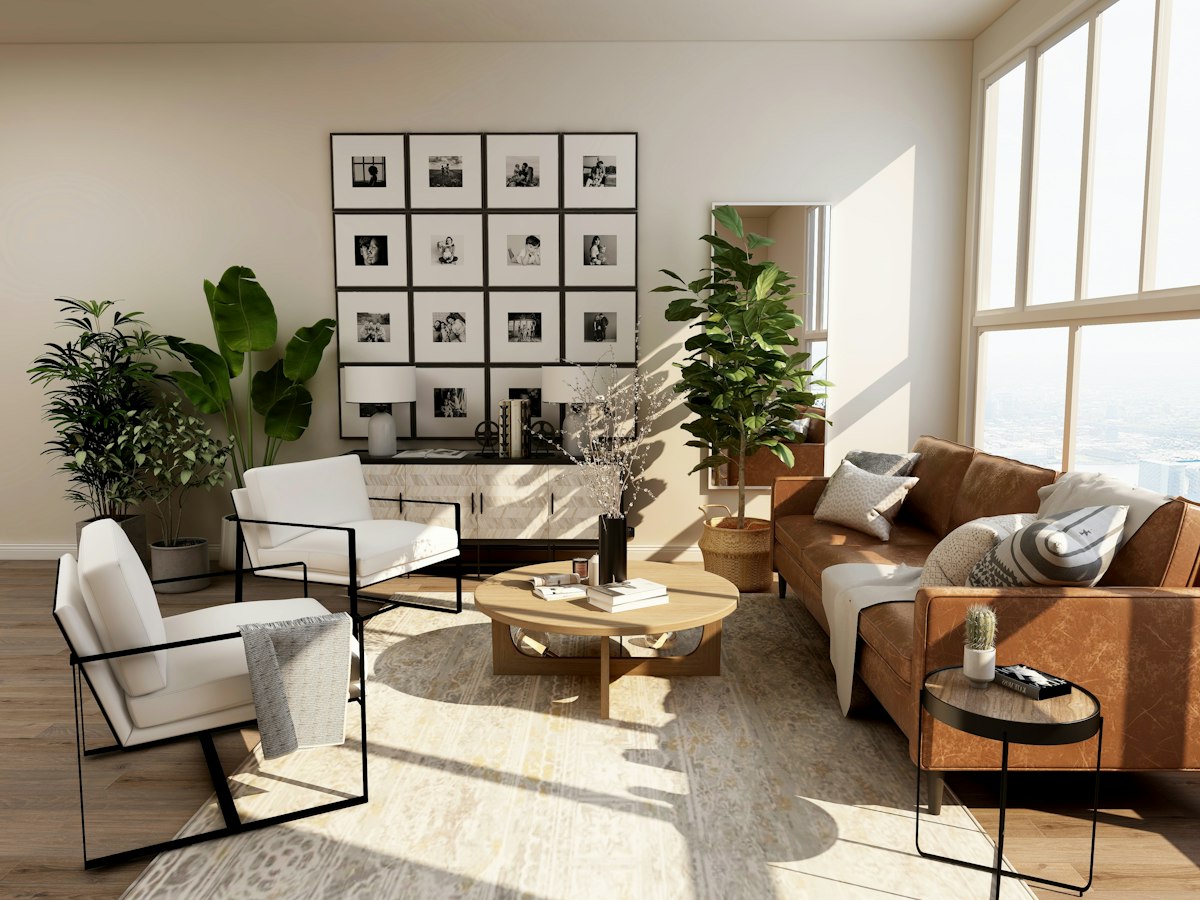
This is not a call to turn a home into a period set. The most useful version of the Biedermeier revival is selective. It borrows the movement’s disciplined silhouettes, its respect for beautiful grain, and its preference for furniture that works hard without shouting. In a renovation, that approach can make new finishes feel less generic. In a furnished room, it can help combine inherited pieces, contemporary lighting, technology, and storage into a whole that looks intentional rather than themed.
Why Biedermeier Feels Right for 2026
Historically, Biedermeier emerged in the German-speaking world between 1815 and 1848, when domestic life became a more important arena for comfort and self-expression. Its furniture traded aristocratic excess for proportion, craftsmanship, and materials that felt approachable. You often see broad, unfussy planes of wood; curved backs and arms; restrained inlay; and practical forms such as cabinets, writing tables, and compact seating. That balance is remarkably compatible with the way many households live now.
First, it answers the fatigue with rooms designed only for photographs. A Biedermeier-informed space can be elegant, yet it still welcomes a lamp, a stack of books, a charging cable, and the everyday objects that prove a home is lived in. Second, it fits the continued move toward warmer neutrals. Honey oak, caramel, tobacco, mushroom, cream, muted green, and deep oxblood all give a room more depth than a single all-white scheme. Finally, its small-scale origins make it useful beyond large homes. A carefully shaped cabinet or a fluted bedside piece can supply character without consuming the visual field.
The trend also rewards longevity. Instead of buying a complete matching set, choose a few pieces with enough material presence to survive the next paint color and the next rearrangement. That is a more durable strategy for budgets and for renovation waste alike.
The Design Vocabulary: Warm Wood, Gentle Geometry, Quiet Detail
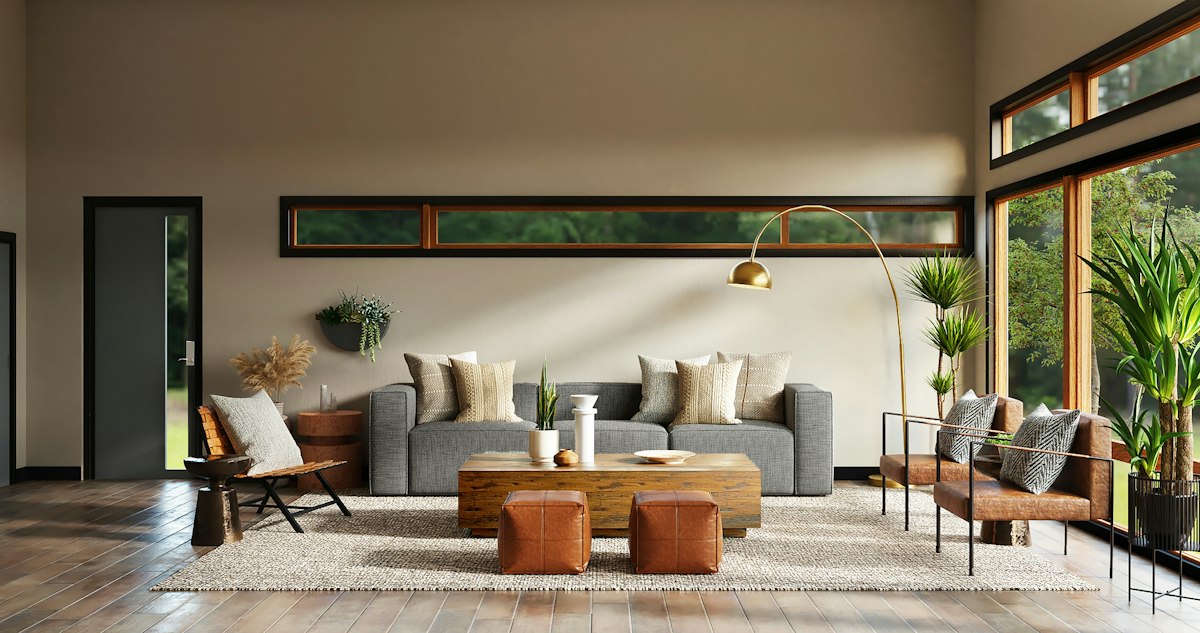
Start with wood, but avoid treating it as a single-note finish. Biedermeier references often use figured grain as decoration rather than relying on heavy carving. In a modern room, that translates to one or two wood tones with visible texture: warm oak beside walnut, or caramel rattan beside a cleaner painted cabinet. The point is contrast with restraint. If floors are already a strong orange oak, choose furniture that leans nutty, neutral, or softly painted rather than adding more of the same saturation.
Then look at geometry. The trend is softer than strict rectilinear minimalism, but it is not shapeless. A rounded corner, a bowed front, a cylindrical lamp, or a lightly curved chair back introduces ease. These gestures work best when anchored by straight verticals: a tall cabinet, a framed mirror, or simple curtain panels. That tension between curve and line gives a room rhythm without clutter.
Details should be tactile, not fussy. Fluting, reeding, woven cane, a slim brass pull, or a subtly arched mirror can create the sense of craft that makes a simple silhouette memorable. Repeat one detail two or three times at most. For example, a fluted nightstand can echo a ribbed ceramic lamp, while the rest of the bedroom remains plain. Repeating every motif everywhere is how a reference becomes a costume.
How to Use the Trend in a Real Renovation
In renovation work, the Biedermeier revival is less about replacing every object than about establishing an order of operations. Begin with fixed elements. For a kitchen or dining zone, warm off-white cabinetry, a wood-toned island, and simple hardware make a flexible backdrop. In a living room, treat the floor, window treatment, and main storage piece as the architecture of the scheme. Once those elements are settled, add the more expressive layer: upholstery, a vintage-style occasional table, art, and lighting.
Storage deserves special attention because it is where the trend’s historical practicality can earn its keep. Closed storage lets the wood, proportion, and decorative objects read clearly; open shelving alone often becomes a visual to-do list. A low media cabinet, sideboard, or tall pantry piece can hide daily disorder while contributing a strong horizontal or vertical line. If you are renovating a small room, choose furniture with legs or a recessed base so that it feels lighter, then reserve one solid, grounded item to prevent the space from floating away.
Lighting is the fastest way to keep the scheme contemporary. Pair warm timber with dimmable lamps, linen or parchment shades, and practical task lighting. The goal is not sepia nostalgia. It is a layered evening atmosphere in which a sculptural form, a wood grain, and a favorite object can all be seen. If integrated LED furniture is part of your routine, select a warm setting for winding down and a brighter neutral setting for dressing, reading, or organization.
Room-by-Room: An Easy Translation
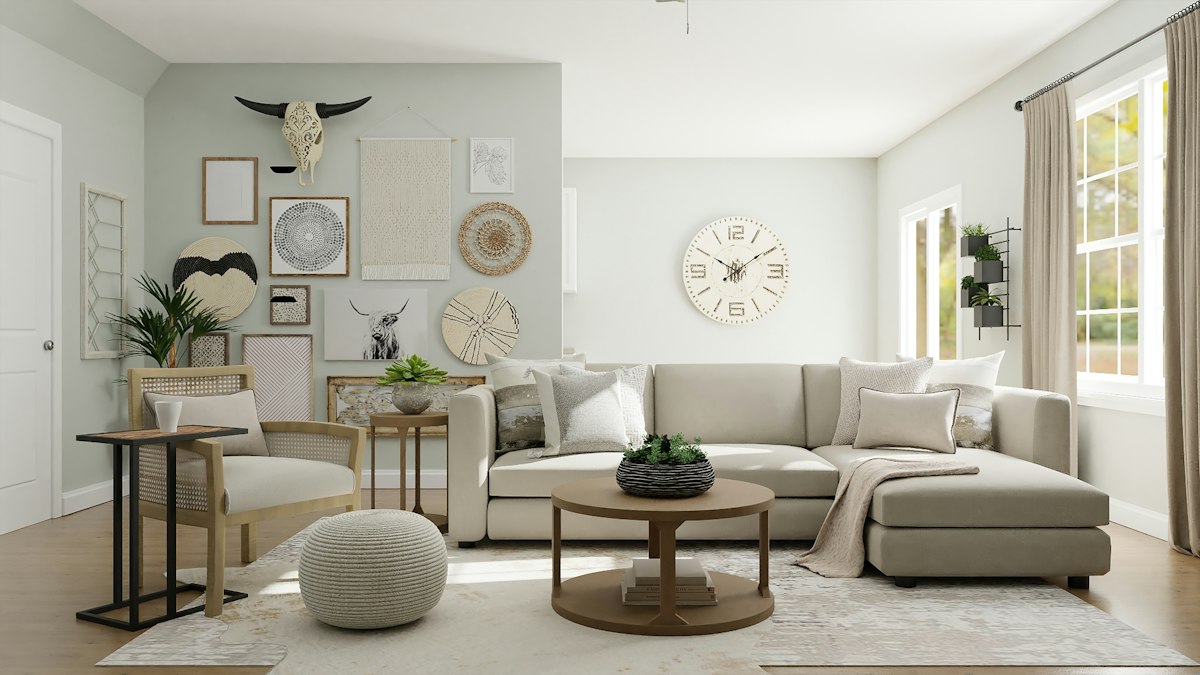
Living room: Let one storage piece establish the palette, then add seating with a rounded arm or a loose, tailored cushion. Keep the coffee table visually lighter than the media unit. A wool rug with a quiet border, a smoked-glass accent, and one curved lamp are enough to make the room feel collected. Avoid buying five small decorative objects in the same finish; a few larger, useful pieces will look more assured.
Bedroom: This is a natural place for Biedermeier’s domestic calm. Choose a bed in a simple profile, then make the bedside zone work harder with drawers, a charging point, and a softly textured wood finish. A mirror should feel architectural rather than overly ornate. Keep bedding matte and tactile—cotton, linen, washed velvet, or a wool throw—and use color in a controlled way: a tobacco pillow, olive coverlet, or burgundy accent can be more persuasive than a full themed palette.
Dining or entry: A compact sideboard or expandable cabinet gives the style an immediate practical purpose. Use the top for a lamp, a bowl, or two framed pieces, and leave breathing room around them. In a narrow entry, a closed cabinet can contain the daily overflow that otherwise fights the serene, considered effect you are trying to create.
What to Avoid: The Difference Between Inspired and Imitative
The Biedermeier revival succeeds because it is edited. Do not pair every warm wood surface with a dark antique frame, a fringe shade, and elaborate wallpaper. Start with a modern envelope, then add a few references. A useful ratio is roughly eighty percent contemporary utility and twenty percent historical mood. That might mean a clean-lined sofa, efficient charging furniture, and simple curtains, with the warmth arriving through a fluted drawer front, a rattan panel, a vintage brass object, and a softly curved silhouette.
Also avoid false symmetry. The original style often valued balanced arrangements, but a contemporary room does not need matching everything. A single strong cabinet can balance an asymmetric composition of art, lamp, and chair. Give yourself permission to mix finishes if they share a temperature: pale oak, walnut, cane, aged brass, and cream upholstery are easier companions than their different eras suggest.
Practical Takeaways
- Choose a warm anchor: Start with one wood, rattan, or fluted storage piece before changing an entire room.
- Use curves sparingly: One rounded silhouette per sightline creates softness without making a room feel busy.
- Prioritize closed storage: It protects the calm, composed look that makes this trend work in daily life.
- Layer lighting: Combine ambient, task, and accent light so warm materials read well at every hour.
- Mix eras by proportion: A contemporary piece and a vintage-influenced piece belong together when their scale and visual weight agree.
- Buy for the next room too: Favor adaptable finishes and functional features over a fully themed set.
Featured Products
Fluted LED Nightstand with Charging Station, 5-Drawer, Oak - Vektaya

At $199.99, this fluted oak nightstand brings the trend’s quiet texture into a bedside zone while adding drawers and a charging station. Its vertical detail is a simple way to introduce craft without over-decorating the room.
61.5" Rattan TV Stand for TVs up to 65", 4-Door, Walnut - Vektaya

At $239.99, this walnut rattan TV stand pairs warm wood color with woven texture and concealed storage. It makes a strong living-room anchor for a scheme that needs material character as well as a place to put away media accessories.
15"–30" Expandable Sideboard with 3 Drawers, White - Vektaya

At $349.99, this expandable sideboard is the practical side of the revival: calm lines, adaptable width, drawers, and a clean surface for a lamp or a curated display. Use it in an entry, dining area, or compact living room where flexibility matters.
Bring Home the Calm, Not the Costume
The Biedermeier revival is compelling because it offers a better question than “What is the next look?” It asks how a room can be beautiful, calm, and capable at the same time. Begin with a warm, useful anchor; introduce one or two softened forms; and let materials do more of the talking than decoration. Browse Vektaya’s storage, bedside, and living-room furniture to build a home that feels collected today and adaptable tomorrow.
Trend note: This article was informed by current July 2026 furniture coverage, including Apartment Therapy’s report on the growing designer interest in Biedermeier-inspired furniture, and by the historical characteristics of the Biedermeier period.
0 comments