Small-space design is having a very different moment in 2026. The old advice was often about making rooms disappear: paint everything white, choose furniture so slim it barely supports real life, and remove any object that might show personality. Today's conversation is more useful. Designers and homeowners are asking how compact homes can work harder while still feeling warm, layered, and personal.
Recent design coverage points in the same direction from several angles. Architectural Digest has been discussing the small-space rules designers now want people to break. Apartment Therapy is full of practical storage hacks, renter-friendly transformations, compact bedroom ideas, and furniture testing. House Beautiful has been tracking budget-friendly renovation upgrades, the return of fluted glass, and everyday antiques with renewed appeal. Homes & Gardens is leaning into forgiving neutrals, outdoor styling, and small-space vertical tricks. Dezeen's current interiors and furniture reporting continues to show flexible products, softer seating, and wood-rich environments that feel more human than showroom-perfect.
Put together, the trend is clear: the most desirable homes are becoming flexible, storage-smart, tactile, and relaxed. That matters whether you live in a city apartment, a first home, a renovated rental, or a suburban house where one room has to serve three functions before dinner.
1. The New Small-Space Rule: Do More, Not Less
The strongest small-space interiors today are not empty; they are edited. That distinction matters. Empty rooms can photograph well, but they often fail in daily life. Edited rooms acknowledge that people need storage, charging, work surfaces, comfortable seating, pet supplies, hobby equipment, extra linens, mail zones, toys, beauty products, and the inevitable object that has no official category but still needs a home.
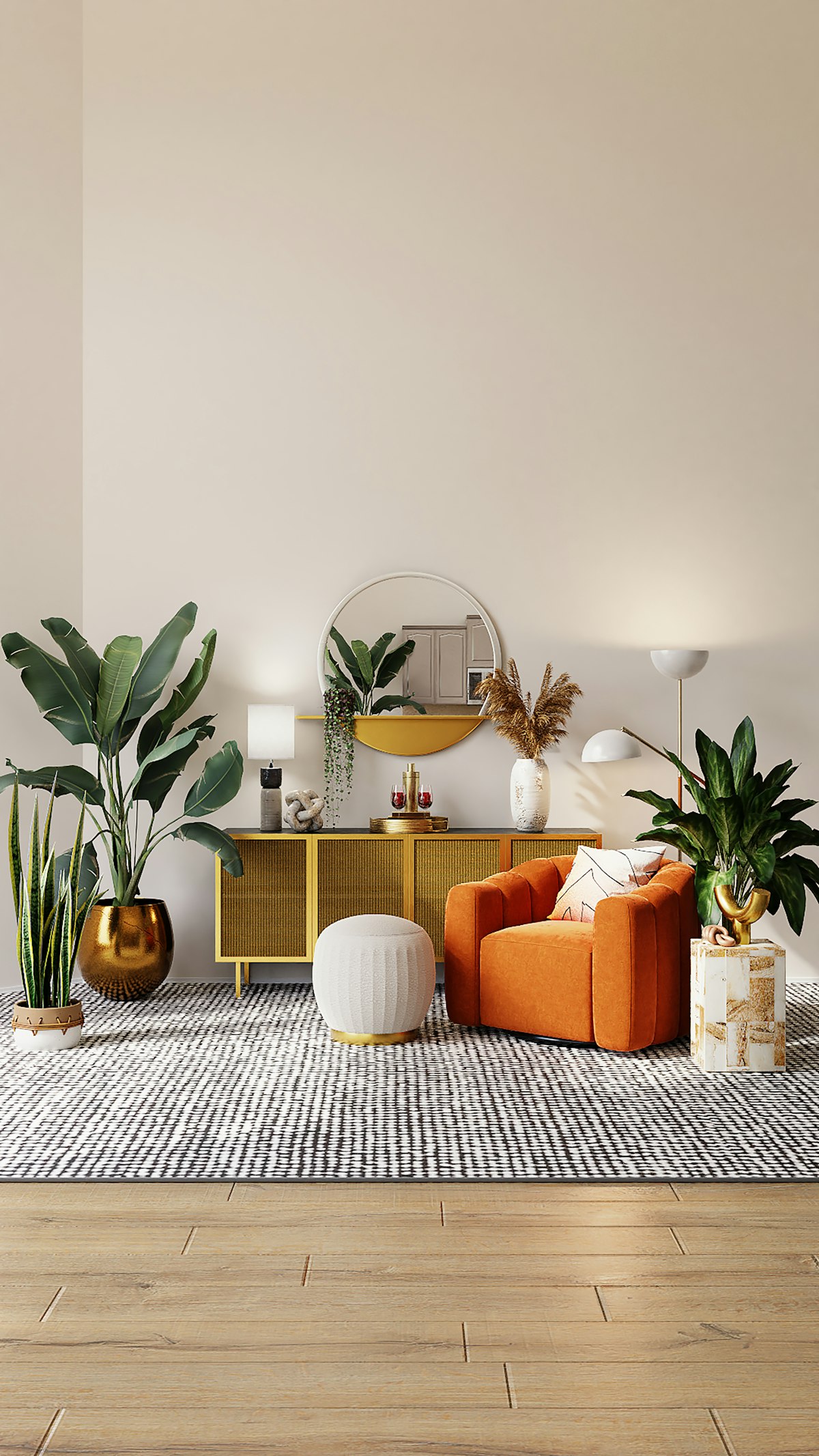
The practical shift is away from visual tricks alone and toward furniture that solves problems. A coffee table with no storage may look airy, but a compact living room often benefits more from a table with a shelf, drawer, or nesting function. A nightstand is no longer just a decorative box beside the bed; it can hold charging cables, books, skincare, glasses, remotes, and the items that otherwise create visual clutter. A sideboard can act as dining storage, entry console, media unit, bar cabinet, craft station, or overflow kitchen support.
This is why flexible furniture is central to the current mood. Small homes are not asking every piece to be tiny. They are asking every piece to justify its footprint. In some cases, a larger sectional can be smarter than two chairs and a loveseat because it creates a clear zone, adds comfort, and reduces the number of separate legs and silhouettes in the room. In other cases, a narrow cabinet or expandable sideboard is the better investment because it gives loose objects a proper destination.
The design lesson is simple: start with pressure points, not with style labels. Where does clutter gather? Which room changes function during the day? Where are devices charged? Which items are used daily but hidden badly? Answering those questions creates a better shopping list than searching for a generic trend like modern, farmhouse, or minimalist.
2. Soft Minimalism Is Replacing Sterile Minimalism
Minimalism is not gone, but the version that feels current is warmer, softer, and more forgiving. The all-white room with sharp edges and no visible storage is giving way to beige, oak, walnut, stone, cream, muted green, warm gray, woven textures, ribbed glass, fluted fronts, and tactile surfaces that catch light without overwhelming a room.
This change makes sense after years of homes working as offices, gyms, classrooms, guest rooms, and recovery spaces. People still want calm interiors, but they do not want cold interiors. A calm room can include wood grain, boucle-like softness, a ceramic lamp, an old framed print, a textured cabinet front, or a nightstand that quietly glows in the evening. The difference is that these details add depth without creating chaos.
Warm neutrals are especially useful in compact rooms because they carry more personality than flat white while staying easy to layer. A beige sofa, oak nightstand, or white sideboard with shape and texture can support seasonal changes without forcing a full redesign. Add terracotta pillows in fall, pale blue linen in summer, deeper green in winter, or antique brass accents whenever the room needs more character. The foundational furniture stays relevant.
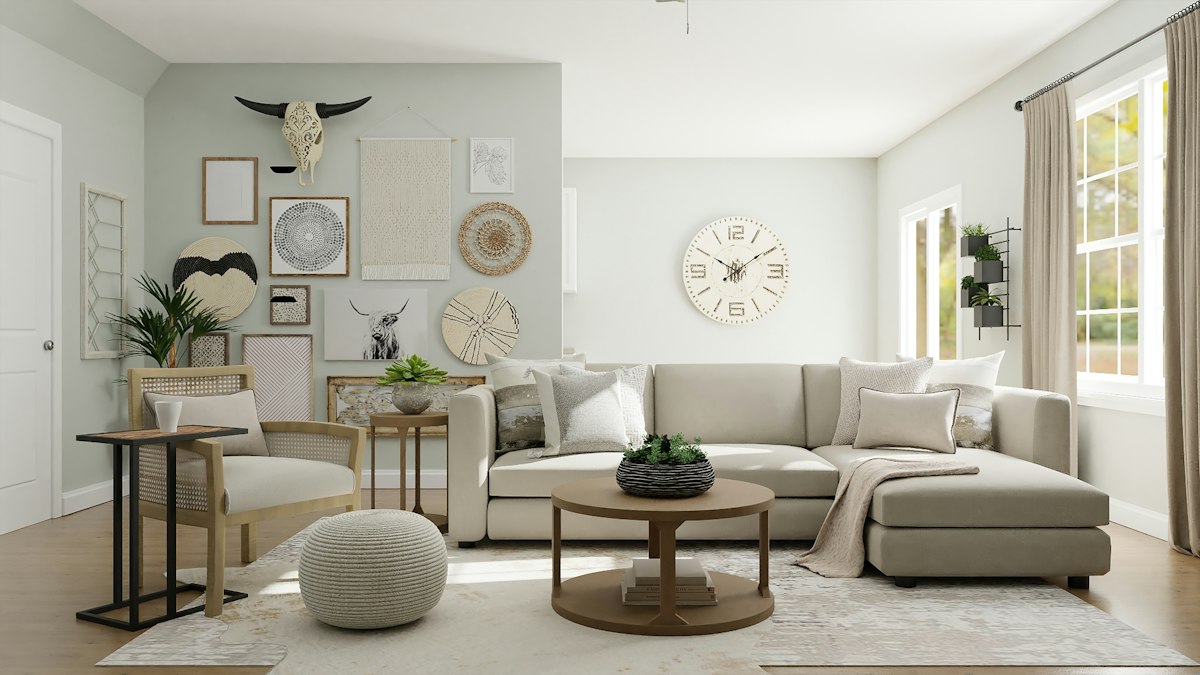
Fluted and ribbed details are part of this same movement. They add shadow, rhythm, and a craft-like feeling while remaining clean enough for contemporary homes. That is why fluted glass, ribbed wood, and grooved cabinet fronts keep appearing in trend coverage. They are visually interesting, but not loud. For renters and renovators on a budget, a fluted nightstand, textured storage cabinet, or ribbed-front sideboard can introduce the look without replacing walls, flooring, or built-ins.
3. Renovation Energy Is Moving Toward High-Impact, Low-Disruption Upgrades
Home renovation is still a major interest, but the mood is more strategic. Instead of assuming every improvement requires demolition, homeowners are looking for targeted upgrades that change how a space functions. Budget kitchen updates, better storage, lighting improvements, hardware swaps, glass-front details, and furniture that fills awkward gaps are all part of this approach.
This is partly economic. Full renovations are expensive, timelines are unpredictable, and many households would rather improve a room now than wait for a perfect future remodel. It is also practical. The most annoying problems in a home are often small: nowhere to drop keys, no drawer for chargers, no cabinet for serving pieces, no bedside storage, no landing zone for mail, no comfortable way to host friends in an open-plan living area.
High-impact, low-disruption design starts by identifying where friction happens. A dining area that doubles as a laptop zone may need concealed storage more than new paint. A bedroom that feels messy may need two real nightstands instead of decorative stools. A living room that feels unfinished may need a sectional or sideboard to define the zone. A hallway may need a slim cabinet, mirror, and lighting instead of a complete architectural change.
Another smart renovation idea is to borrow the logic of built-ins without the cost of built-ins. Freestanding furniture can create many of the same benefits when scaled correctly. A sideboard under art can make a dining wall feel intentional. A tall pantry cabinet can make a kitchen feel more organized. A vanity desk with drawers can make a bedroom corner function like a dressing room. A sectional can give an open room the same sense of structure that a half wall might have provided.
4. Rooms Are Becoming Zones, Not Single-Purpose Boxes
The biggest planning mistake in a modern home is assuming each room has only one job. For many households, the living room is also a guest room, movie room, playroom, reading corner, and casual office. The bedroom may be a sleep space, dressing area, beauty station, and charging hub. The dining area may host meals, homework, board games, and remote work. Good design now depends on zoning, not just decorating.
Zoning does not require a large floor plan. It requires clear signals. A rug can define the seating area. A sideboard can mark the dining zone. A nightstand with lighting can make the bed area feel finished. A cabinet can separate work supplies from leisure objects. A sectional can create a natural boundary in an open-plan room. Lighting can help each zone shift from active to restful at different times of day.
This is also where the recent interest in games, hosting, and at-home rituals becomes relevant. Homes are being designed for actual use, not just for scrolling. A coffee table with enough surface for puzzles or snacks, a sideboard that can hold serving pieces, a sofa that invites people to stay, and storage that resets the room quickly after guests leave all support a more social version of home.
The best zones have a reset plan. If a dining table becomes a work desk by day, there should be a drawer, cabinet, basket, or tray that clears laptops and papers before dinner. If a bedroom vanity is also a storage hub, drawers need categories. If the living room hosts games, throws, chargers, and remotes, a sideboard or media cabinet can prevent the room from looking permanently in use.
5. Practical Takeaways for a Smarter, Warmer Home
- Buy for the mess you actually have. If clutter is mostly paper, cables, beauty products, toys, or tableware, choose furniture with storage designed for that category.
- Use warm neutrals as the foundation. Beige, oak, cream, white, walnut, and stone tones create calm without feeling flat.
- Add texture before adding more color. Fluted fronts, woven baskets, ribbed glass, linen, and wood grain create depth while keeping a room easy to live with.
- Let one piece define each zone. A sectional, sideboard, nightstand, vanity, or storage cabinet can give a multifunctional room a clear purpose.
- Plan the daily reset. Every hard-working space needs a fast way to return to order at the end of the day.
- Choose flexible dimensions when possible. Expandable, modular, or multi-use pieces are especially valuable in rentals, apartments, and evolving family homes.
Featured Products for the 2026 Small-Space Look
The following Vektaya pieces were selected because they match the strongest signals in today's design conversation: practical storage, warm minimalism, flexible layouts, and furniture that earns its footprint.

15"-30" Expandable Sideboard with 3 Drawers, White - Vektaya
Price: $349.99
A flexible storage anchor for dining areas, entries, and multipurpose living rooms. The expandable width makes it useful in apartments where every inch has to earn its place.

23" Fluted LED Nightstand with Charging Station, Drawers, Oak - Vektaya
Price: $199.99
Fluted detail, warm oak color, drawers, and charging support line up neatly with the current move toward tactile, practical bedroom furniture.

107" L-Shaped Modular Sectional Sofa with Chaise, Beige - Vektaya
Price: $299.99
A soft neutral sectional can zone an open living space without adding visual noise, while the chaise creates an easy everyday lounge area.
Conclusion: Design for Real Life, Then Make It Beautiful
The most important interiors trend right now is not a single color, material, or furniture silhouette. It is a more honest way of designing. Homes have to be flexible, but they should still feel personal. They need storage, but they should not feel like utility rooms. They can be calm without being blank. They can be compact without being compromised.
If you are updating a home this year, begin with the routines that shape your day. Where do you sit, work, charge, store, host, get ready, and unwind? Once those answers are clear, the right furniture becomes easier to choose. Look for pieces that combine function with warmth: a storage-rich sideboard, a textured nightstand, a soft neutral sectional, or any well-scaled item that helps a room reset quickly.
Ready to make your home more flexible and easier to live in? Explore Vektaya's latest furniture designs and choose pieces that bring storage, comfort, and character into the rooms you use every day.
0 commentaire