Trend research basis: current interiors and furniture coverage from Dezeen, including recent stories on moody material palettes, immersive wooden retail interiors, bookmaxxed homes, and affordable plywood-led renovations.
The Cozy Wood Revival: How to Design Warmer, Smarter Rooms in 2026
For the past few years, many homes have been caught between two extremes. On one side was showroom minimalism: pale walls, thin profiles, hidden storage, and spaces so clean they sometimes felt more staged than lived in. On the other side was fast-decor maximalism, where every surface had to announce a theme. The most interesting furniture and interior design trend emerging right now sits between those poles. It is warm, tactile, wood-forward, practical, and deeply personal.
Recent design coverage points in the same direction. Dezeen has highlighted a rented London office softened with warm colors and curated art, a New York skincare store carved through with layered wooden forms, homes embracing the so-called bookmaxxing trend, and a budget Brooklyn renovation built around stained plywood storage. These are different projects, but they share a common message: people want rooms that feel grounded, useful, and emotionally comfortable. The trend is not simply “add wood.” It is about using texture, storage, lighting, and furniture scale to make everyday rooms feel richer without making them complicated.
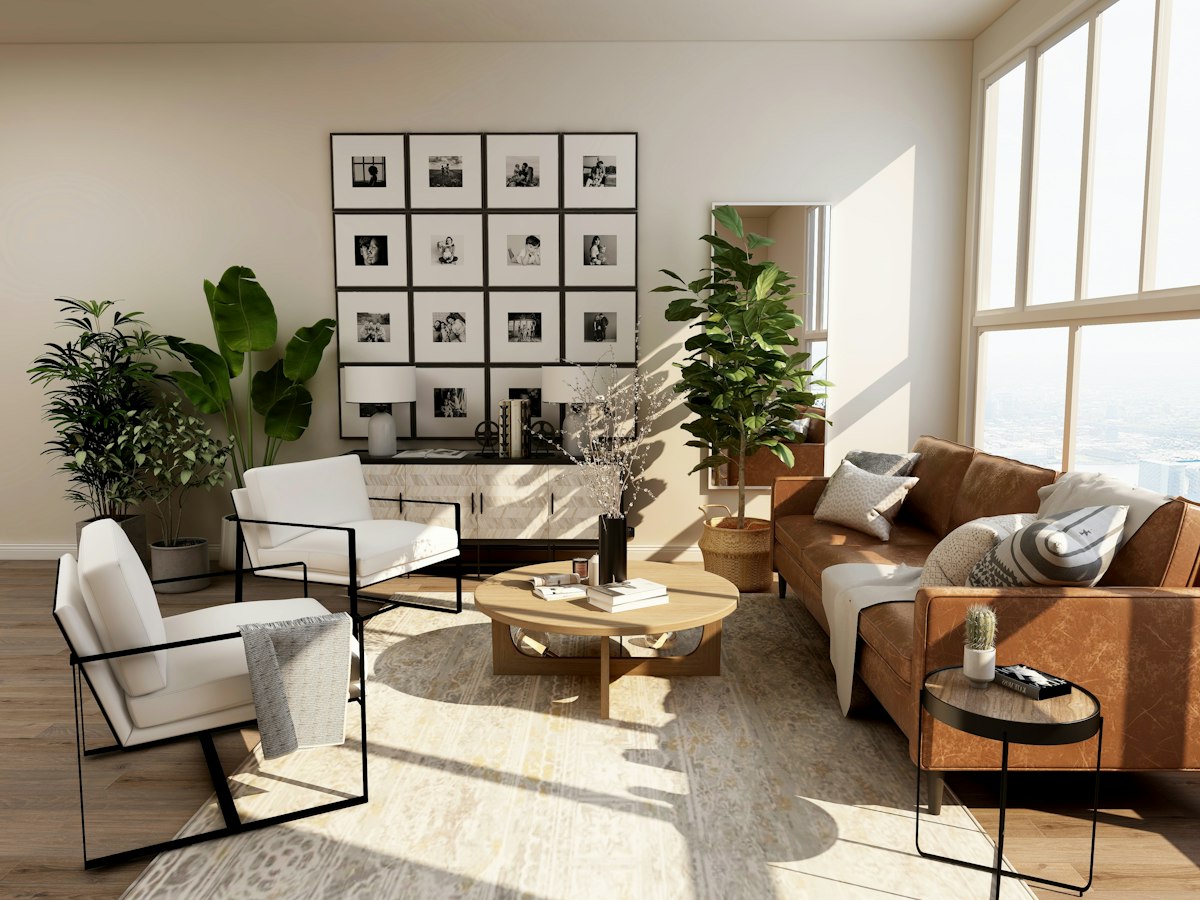
This matters for homeowners because it is achievable. You do not need to gut a kitchen, replace every floor, or buy museum-grade furniture to participate. The cozy wood revival can start with one substantial storage piece, one better seating anchor, one nightstand that reduces cord clutter, or one reading wall that turns books and objects into the soul of the room. The best version of the trend is not performative. It is practical warmth: rooms that look good because they support how people actually live.
1. Why Warm Wood and Tactile Materials Are Trending Now
Interior trends usually reflect a wider mood. When life feels fast, digital, and fragmented, homes become places where people look for visual rest and physical reassurance. Smooth white boxes can be calming, but they can also feel cold if they lack contrast. Warm wood, rattan, fluting, woven details, aged metal, soft upholstery, and layered textiles answer that problem by giving the eye something gentle to hold onto.
The current wave is more sophisticated than the rustic farmhouse look that dominated many homes in the 2010s. Instead of distressed everything, the new approach uses cleaner silhouettes with natural texture. A walnut TV stand can sit comfortably beside a modern sofa. A fluted oak nightstand can make a bedroom feel finished without turning it traditional. A plywood storage wall can look intentional when the proportions are right and the surrounding palette stays calm. This is why designers are using wood in offices, boutiques, compact apartments, and hospitality spaces: it works across categories because it makes architecture feel more human.
There is also a sustainability angle, though homeowners should treat that word carefully. A room is not sustainable just because it contains wood. The more meaningful shift is toward durable, flexible furniture that earns its footprint. Storage pieces that hide clutter, modular seating that adapts to different layouts, and bedroom furniture that integrates charging can reduce the need for extra accessories. The trend favors fewer, better-functioning pieces rather than a constant churn of small decorative buys.
Color is changing alongside material. Instead of stark black-and-white contrast, the warmer 2026 palette leans into beige, clay, oat, caramel, walnut, mushroom, olive, muted terracotta, and soft gray-brown. These colors are easy to live with because they bridge seasons. They also allow texture to do the work. A beige sectional does not have to be boring if it is paired with rattan doors, fluted drawers, matte ceramics, linen curtains, and a few dark accents for depth.
2. The Rise of Personality-Rich, Book-Filled, Lived-In Rooms
One of the clearest countertrends to sterile minimalism is the return of visible personal life. Bookmaxxing, a playful term for interiors shaped by books, is part of that movement. The idea is not just to own more books. It is to let reading, collecting, and memory become design material. Shelves, sideboards, nightstands, and coffee tables become places where the room tells a story.
This does not mean clutter wins. The strongest lived-in rooms are edited, not empty. They combine open display with closed storage. A stack of art books looks intentional when the remote controls, cables, extra blankets, and paperwork have somewhere to go. A nightstand can hold a lamp and a novel because drawers take care of chargers and small items. A media cabinet can show texture on the outside while hiding the visual noise of devices and accessories. The result is a room that feels personal without becoming chaotic.
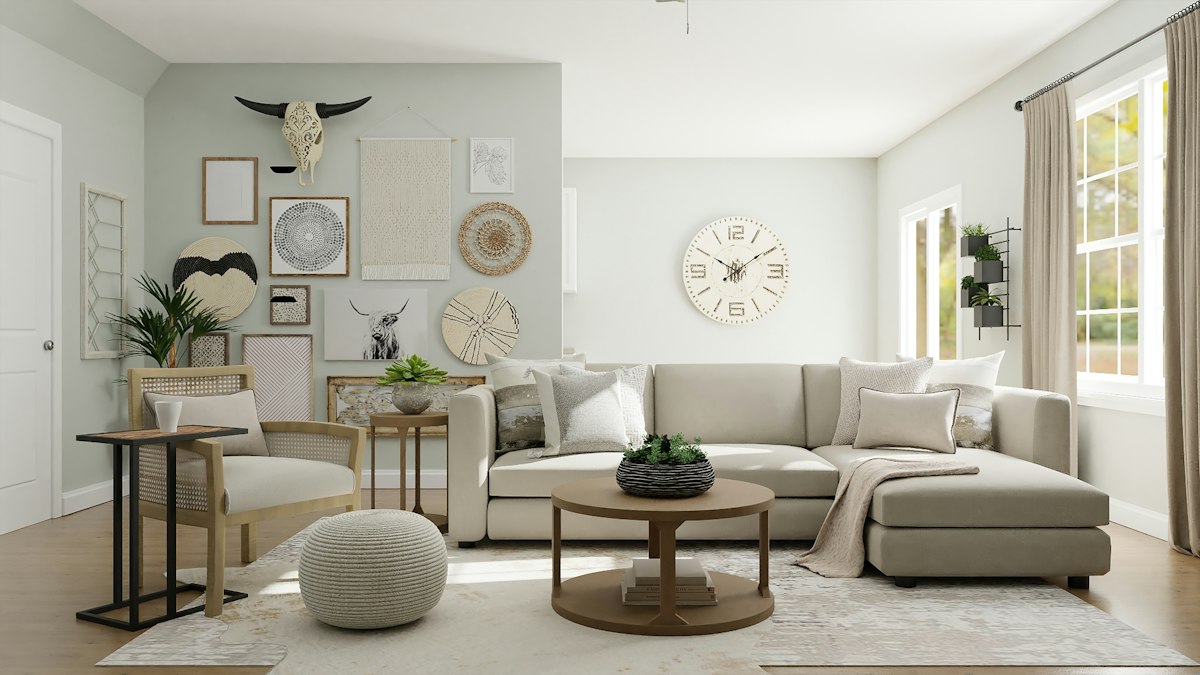
The design lesson is simple: personality needs infrastructure. People often try to decorate before they solve storage, and then wonder why the room still feels unfinished. Start by choosing the anchor pieces that control mess: a sideboard, cabinet, TV stand, dresser, vanity, or nightstand. Once the practical base is in place, decorative layers become easier. Books, framed prints, sculptural lamps, plants, trays, candles, and textiles can sit on top of a functioning room rather than compensating for a broken layout.
For small spaces, this is especially important. A compact apartment cannot afford single-purpose furniture that only looks pretty in a photo. Every piece has to work. The warm wood revival is useful here because many textured furniture pieces are also storage pieces. Fluted fronts, rattan panels, and warm finishes add visual softness while drawers and shelves do the less glamorous job of daily organization.
3. Renovation Without the Gut Job: Small Moves With Big Impact
Home renovation content often focuses on dramatic before-and-after transformations, but most households need more realistic upgrades. The current design mood supports that. Instead of chasing a total remodel, homeowners can create a warmer interior through targeted interventions: one wall of storage, a better bed frame, a media zone that feels intentional, or a bedroom corner that finally functions.
Think of the room in layers. The first layer is architecture: walls, floors, windows, and built-ins. The second is furniture: seating, beds, cabinets, desks, and tables. The third is atmosphere: lighting, textiles, art, books, and plants. Many people jump to the third layer because it is affordable and fun, but if the second layer is weak, accessories can only do so much. A living room with no storage will still look busy. A bedroom with too many cords will still feel restless. A home office without proper drawers will still become a dumping ground.
A smarter renovation plan begins with friction. What annoys you every day? If the living room feels cluttered, start with a cabinet or TV stand. If the bedroom feels unfinished, upgrade the nightstands or bed frame before buying more pillows. If the vanity area is chaotic, choose a desk with enough drawers and lighting. If the seating layout prevents conversation, fix the sofa first. Trend-aware design is not about copying a look; it is about solving the right problem in the current visual language.
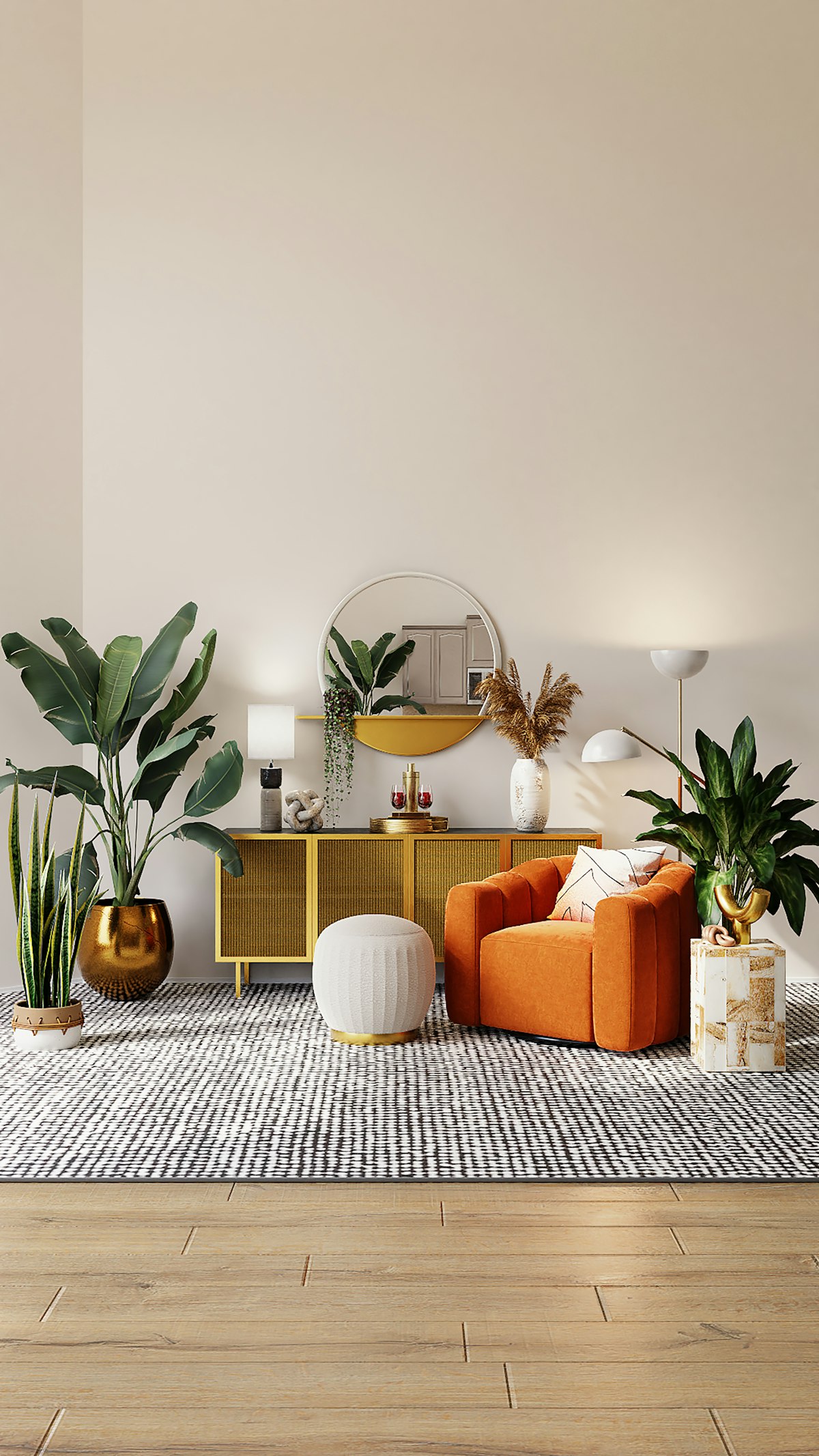
Material contrast is the fastest way to make these upgrades feel designed. Pair smooth upholstery with ribbed or fluted wood. Place rattan beside matte ceramics. Use a pale wall as a background for walnut or oak. Add a soft throw to a structured sofa. Mix closed storage with a few open, personal objects. A room becomes more expensive-looking when textures are balanced, even if the budget is controlled.
4. How to Apply the Cozy Wood Revival Room by Room
Living room: Start with the seating and media wall. A beige, cream, or warm gray sectional creates a calm base, while a rattan or walnut TV stand adds natural texture and storage. Keep the palette restrained, then layer in personality with books, ceramics, plants, and one or two darker accents. Avoid filling every corner. Warmth comes from proportion and texture as much as from objects.
Bedroom: The bedroom version of this trend should feel quiet, not busy. Fluted or oak nightstands, a storage bed, warm white lighting, and soft bedding can make the space feel finished. Built-in charging is especially useful because visible cable mess works against the calming effect. Use fewer decorative pieces on the nightstand and choose items that support routine: a lamp, a book, a tray, and perhaps a small plant.
Dining and kitchen-adjacent spaces: Storage cabinets and sideboards are the heroes here. They can hold serveware, pantry overflow, linens, board games, and seasonal pieces while giving the room a more architectural look. If your home has an open-plan layout, use a cabinet finish that connects with the living room furniture so the spaces feel related, not random.
Home office or vanity zone: The warmer trend is not limited to leisure spaces. A desk with drawers, integrated lighting, or a strong wood tone can make a practical zone feel less temporary. The goal is to reduce visual noise. If the work surface is always covered, choose more drawers before adding more decor. If the lighting is harsh, upgrade bulbs and task lighting before repainting.
Practical Takeaways
- Choose texture before pattern. Fluting, rattan, wood grain, linen, and boucle are easier to live with than loud prints and will age better.
- Make storage part of the design. Closed drawers and doors allow books, art, and objects to look intentional instead of messy.
- Use warm neutrals as the base. Beige, oak, walnut, cream, clay, and mushroom tones create a flexible palette that works across seasons.
- Upgrade the friction point first. If cords, remotes, clothes, cosmetics, or paperwork are the daily problem, buy the piece that solves that before buying decorative accessories.
- Balance softness and structure. Pair a generous sofa with a clean-lined cabinet, or a structured nightstand with soft bedding and warm light.
Featured Products
These Vektaya pieces fit the cozy wood revival because they combine warmth, texture, and everyday function. They are not trend props; they are practical anchors for rooms that need to look calmer and work harder.

61.5" Rattan TV Stand for TVs up to 65", 4-Door, Walnut
Price: $239.99
A rattan and walnut media piece that brings texture, closed storage, and a relaxed natural note to a living room without making the space feel heavy.

Fluted LED Nightstand with Charging Station, 5-Drawer, Oak
Price: $199.99
A fluted oak nightstand with built-in charging that fits the current move toward warm wood, vertical texture, and furniture that quietly handles everyday clutter.

107" L-Shaped Modular Sectional Sofa with Chaise, Beige
Price: $299.99
A soft beige modular sectional that creates the calm, generous seating anchor needed for layered rooms, book corners, movie nights, and flexible family layouts.
Research Notes Behind the Trend
This article was informed by current interiors and renovation signals rather than a single inspiration image. The strongest pattern across recent coverage is the same: designers are using warm materials, books, storage, and richer palettes to make rooms feel less sterile and more useful.
- Jasmine Fisher transforms rented London office with moody material palette (Dezeen Interiors RSS): Warm colors, artworks, and domestic cues are being used to make even rented workspaces feel more layered and home-like.
- LMTLS creates wooden 'gorge' inside New York skincare store (Dezeen Interiors RSS): Layered wood surfaces and immersive timber forms are a current design shorthand for warmth, texture, and brand storytelling.
- Eight inspiring homes with bookmaxxed interiors (Dezeen Interiors RSS): Book-filled, personality-rich rooms are a visible counterpoint to blank minimalism and support the rise of lived-in decorating.
- Plan Plan uses affordable materials for Brooklyn apartment renovation (Dezeen Interiors RSS): Budget renovations are leaning on honest materials such as stained birch plywood and built-in storage rather than expensive spectacle.
Conclusion: Warmth Is a Function, Not Just a Look
The cozy wood revival is popular because it answers a real need. People want homes that feel calm without feeling empty, organized without feeling rigid, and personal without becoming cluttered. Warm wood, rattan, fluted details, soft upholstery, and smarter storage all help because they make the home easier to live in.
If you are planning a refresh, resist the urge to change everything at once. Start with the room that causes the most daily friction, then choose one anchor piece that adds both function and warmth. A storage cabinet can reset a living room. A fluted nightstand can make a bedroom feel calmer. A generous sectional can turn an underused space into the place everyone actually gathers. Build from there, layer slowly, and let the room become more personal over time.
Ready to bring more warmth and order into your home? Explore Vektaya furniture designed for practical storage, comfortable living, and rooms that feel finished without feeling overdone.
0 commentaire