The Small-Space Illusion Trend: Fake Windows, Vertical Lines, and Furniture That Makes Rooms Feel Bigger
Today’s strongest home-design signal is refreshingly practical: people want rooms that feel larger, brighter, and more architecturally interesting without requiring a full renovation. Across current interiors coverage, the same idea keeps surfacing in different forms. Apartment Therapy is highlighting the designer-favorite vertical rule for cramped rooms and a mirror-as-fake-window trick for kitchens. House Beautiful is pointing to DIY-friendly faux fireplaces and compact swivel chairs. Homes & Gardens is covering easy-move small sofas for dorms and tight rooms. The details vary, but the trend is one: small-space visual expansion.
This is not minimalism in the old, empty-room sense. It is a smarter design language for real homes: using height, reflection, focal points, flexible seating, and storage to make a room feel intentional rather than merely small. The most successful spaces do not pretend square footage is unlimited. They use visual cues to stretch the eye, hide clutter, and give each wall or corner a clear job.
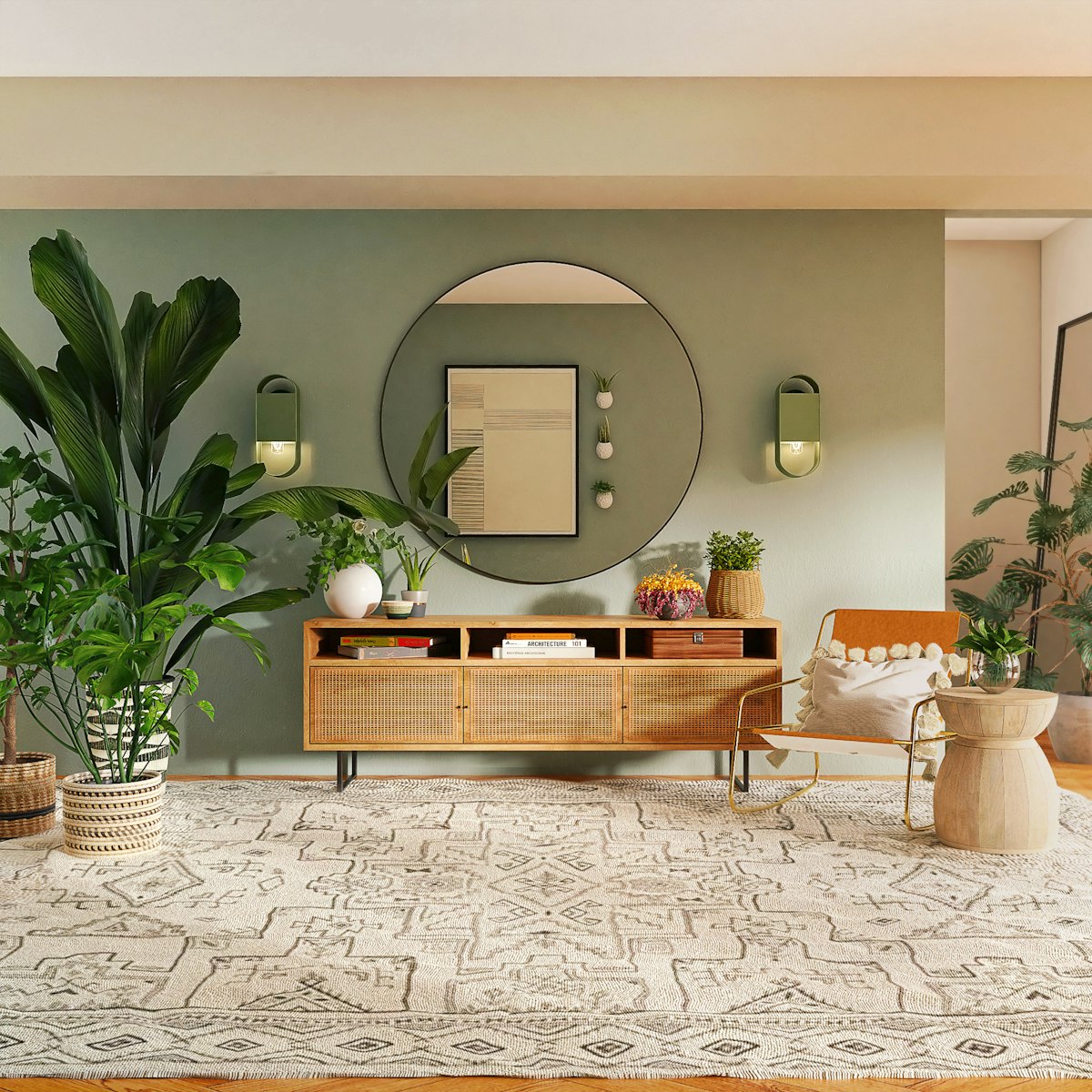
The appeal is obvious. Renovation budgets are tight, renters need reversible upgrades, and many homeowners are choosing targeted improvements instead of major construction. A fake window can borrow light. A faux fireplace can create character on a blank wall. A vertical cabinet or tall mirror can pull the eye upward. A swivel chair or compact sofa can make one room serve multiple directions. Good furniture becomes part of the illusion because it organizes the room’s function while improving the way the space reads at first glance.
1. Why the “make it feel bigger” trend is everywhere right now
Small-space design used to be treated as a compromise category: folding tables, hidden beds, and storage hacks for people waiting to move into a bigger place. The current trend is more confident. It treats compact rooms as design opportunities. Instead of asking, “How do we fit everything in?” the better question is, “How do we make the room feel clear, layered, and complete?”
That shift is showing up because people are using their homes harder. The living room may also be a work zone, guest room, play area, reading corner, and evening entertainment space. The bedroom may need a beauty station, charging area, and storage beyond the closet. A kitchen corner may be expected to become a breakfast nook. When a room has multiple jobs, visual order becomes more valuable than extra decoration.
The small-space illusion trend solves this with cues the brain reads quickly. Vertical lines suggest height. Mirrors suggest depth. A focal point suggests architecture. Closed storage suggests calm. Furniture with rounded edges or flexible orientation suggests movement. These cues do not add square footage, but they reduce the feeling of pressure. That emotional change is why the trend is spreading across both renovation stories and furniture shopping guides.
It also aligns with budget reality. A structural renovation can be expensive and disruptive, while a better storage piece, a mirror, a new lighting layer, or a reworked furniture plan can change the daily experience immediately. The best small-space upgrades are not random hacks. They are deliberate edits that help the eye understand the room faster.
2. The vertical rule: lift the eye before you fill the floor
The first lesson from the trend is simple: if the floor is limited, use the wall. Vertical design does not mean covering every inch with shelves. It means giving the room a few upward cues so the eye travels higher before it notices the room’s boundaries. Tall curtains, a vertical mirror, fluted furniture, slim lamps, stacked art, and cabinets with strong upright proportions can all create this effect.
In a living room, verticality works especially well when paired with low, calm furniture. A low sofa or sideboard keeps the main sightline open, while a mirror, plant, or wall detail gives the room height. In a bedroom, a nightstand with vertical texture or integrated lighting can make the bedside zone feel designed rather than crowded. In an entry or dining nook, a taller styling moment above a lower storage piece can turn a narrow wall into a feature.
The mistake is trying to solve a small room with only small objects. Too many tiny pieces create visual noise. A better approach is to choose fewer pieces with stronger roles: one storage anchor, one reflective element, one comfortable seat, and one vertical line that draws the eye upward. That combination feels calmer than scattering baskets and mini tables around the room.
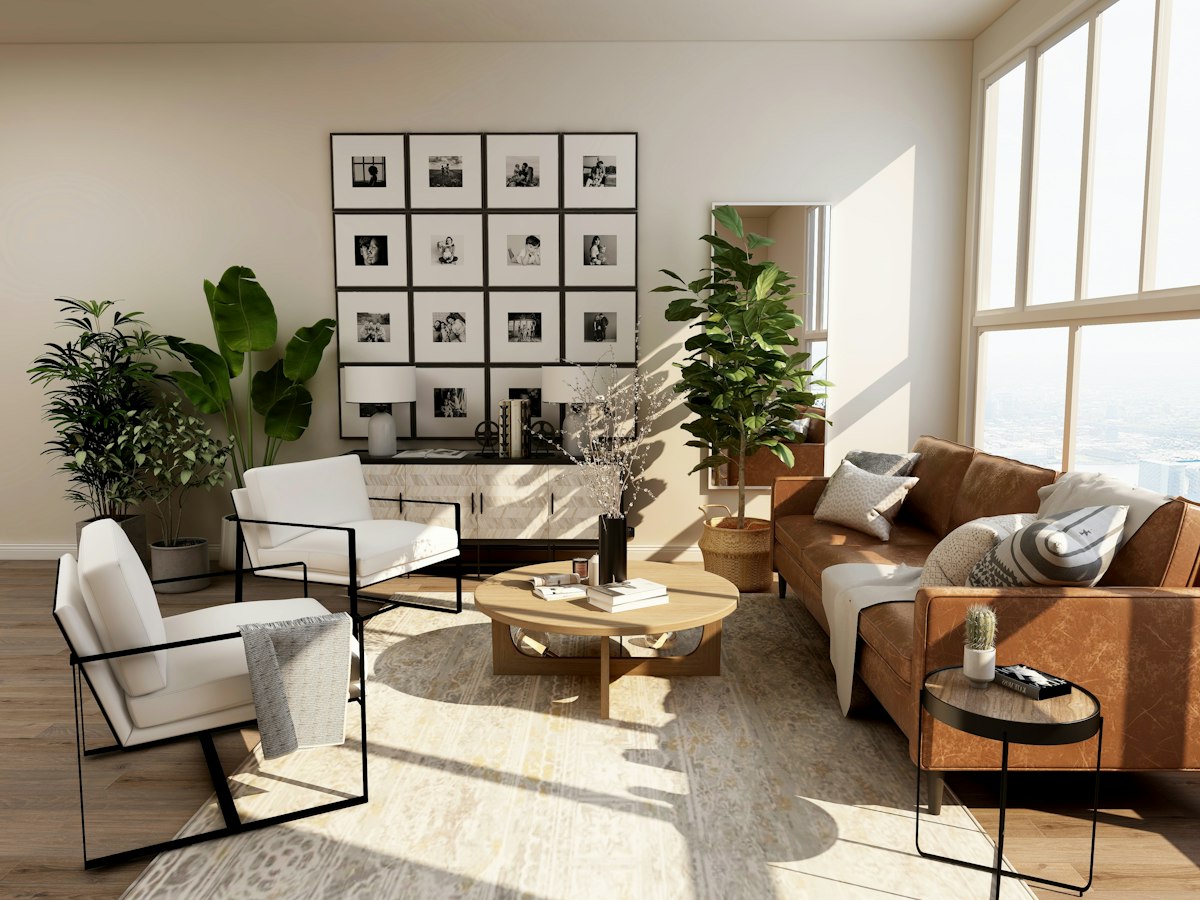
For furniture selection, look for pieces that are compact in footprint but clear in purpose. A sideboard with drawers can replace several smaller clutter zones. A nightstand with charging can remove cords from the floor. A desk or vanity with integrated storage can turn a wall into a functional station without requiring another cabinet. The room feels larger because it has fewer unresolved problems.
3. Fake windows, mirrors, and faux fireplaces are really about borrowed architecture
The current popularity of fake windows and faux fireplaces is not just about charm. It reveals a bigger desire for rooms with architectural confidence. Many apartments and builder-grade homes have blank walls, awkward corners, or rooms with limited natural light. A mirror styled like a window can create the feeling of depth and brightness. A faux fireplace can give a living room a natural center. A framed wall treatment can make a dining nook feel intentional rather than leftover.
Borrowed architecture works because humans read rooms through anchors. When there is no clear anchor, furniture tends to drift, and the space feels temporary. Add a focal point, and suddenly the furniture has a reason to face a certain direction. This is why a faux fireplace can improve a whole apartment even if it does not produce heat. It gives the room a story, a center, and a place for styling.
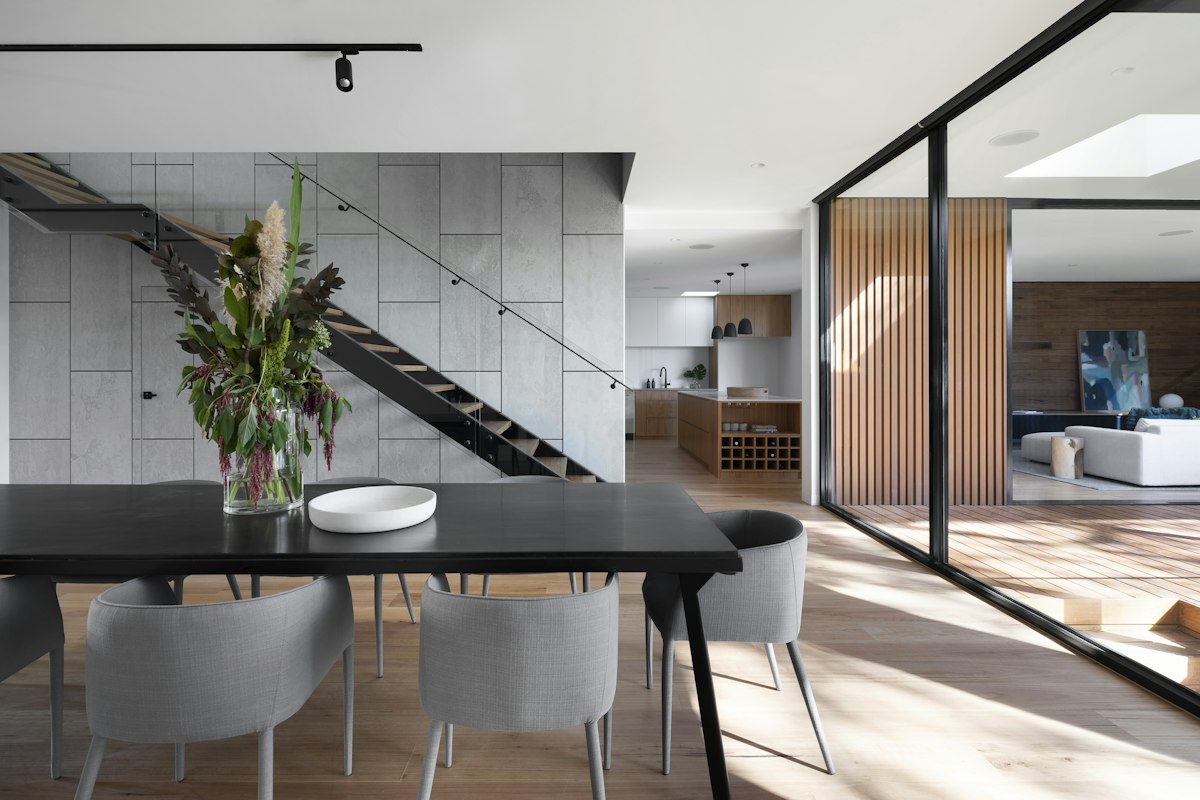
Mirrors perform a different but related job. They multiply light, reflect movement, and can make a narrow kitchen or hallway feel more open. The best mirror-as-window tricks are not random. They are placed where a real window would make sense: above a console, across from a light source, at the end of a short wall, or behind a small dining setup. When the frame has character, the effect feels architectural rather than purely decorative.
Storage furniture should support these focal points rather than compete with them. A cabinet below a mirror, a sideboard beside a faux fireplace, or a desk tucked under vertical shelving can make the feature useful. That is the difference between a trend that photographs well and a room that works every day.
4. Flexible furniture makes one room feel like several rooms
Small spaces rarely fail because they are small alone. They fail because circulation is unclear. A chair blocks a pathway. A table collects unrelated items. A sofa faces one direction even though the room is used in three ways. Flexible furniture addresses the problem by letting the room change without a full reset.
Swivel chairs are a good example. They can face the conversation area, turn toward a window, or pivot toward a TV without needing extra clearance. Compact sofas and modular seating do something similar by establishing comfort without filling the whole floor. Storage pieces with drawers and doors act as buffers between activities: work supplies disappear before dinner, charging cables disappear before guests arrive, and beauty or hobby tools stay close without staying visible.
The point is not to make every piece transform. Too much transformable furniture can feel fussy. The stronger strategy is to choose a few pieces that remove friction. If the living room is also a guest zone, choose storage that can clear surfaces quickly. If the bedroom is also a getting-ready area, choose a desk or nightstand that organizes tools and cords. If the kitchen needs a little charm, use a mirror, shelf, or compact sideboard to create a destination.
Flexible furniture is also visually lighter when it has a defined home. A small room can handle a substantial piece if the piece solves several problems. What it cannot handle is three or four half-solutions competing for the same corner.
5. Practical takeaways for using the trend at home
- Start with the wall that feels most unfinished. A mirror, faux fireplace, vertical art stack, or storage-and-styling moment can give the room a needed anchor.
- Use vertical cues deliberately. Fluted details, tall mirrors, slim lamps, and higher curtain rods can make ceilings feel taller without adding clutter.
- Replace scattered storage with one stronger piece. A sideboard, cabinet, or drawer-heavy desk often makes a room feel bigger because it removes visual noise.
- Borrow light where possible. Place mirrors across from windows or bright walls, and keep bulky furniture away from the strongest natural-light path.
- Choose flexible seating for multi-use rooms. Swivel chairs, compact sofas, and modular pieces help a room serve conversation, reading, TV, and work without constant rearranging.
- Create one destination per corner. A reading corner, vanity station, entry drop zone, or breakfast nook feels intentional when furniture, lighting, and storage support the same job.
Featured Products for the Look
These Vektaya pieces were selected from active Shopify products because they support the small-space illusion trend: they add storage, create stronger room zones, and help compact homes feel more organized without looking bare.

15"–30" Expandable Sideboard with 3 Drawers, White - Vektaya
$349.99
A compact storage anchor for small living rooms, dining nooks, entry zones, or studio apartments. The expandable format supports the core idea of the trend: use one flexible piece to create order without swallowing the room.

23" Fluted LED Nightstand with Charging Station, Drawers, Oak - Vektaya
$199.99
A small-footprint utility piece that adds vertical detail, bedside storage, and charging in one place. It is especially useful when a bedroom or guest room needs to feel calmer without adding more surfaces.

47"Corner Vanity Desk with Mirror & Lights, 8 Drawers-Vektaya
$339.99
A high-storage desk or vanity option for rooms where one corner has to do double duty. Drawers, a mirror, and integrated lighting help turn an underused wall into a functional destination.
Research notes behind the trend
This article is based on a same-day review of interiors, furniture, and home-renovation coverage. The strongest common thread was not one material or color. It was the growing demand for rooms that feel visually larger and more character-rich through reversible, furniture-led, and budget-conscious design moves.
- Apartment Therapy (2026-07-13): The One Rule for Making Cramped Rooms Look 4x Their Size, According to a Designer — Designers are emphasizing vertical lines, taller visual anchors, and eye-lifting layouts as a low-renovation way to make cramped rooms feel larger.
- Apartment Therapy (2026-07-13): This 'Fake Window' Trick Made My Kitchen Twice as Charming — Mirror-as-window ideas are trending because they borrow light, add depth, and create architectural character without structural renovation.
- House Beautiful (2026-07-13): The One Surprising DIY-Friendly Addition That Upgraded My Whole Apartment — DIY architectural focal points, including faux fireplaces, are gaining attention as renters and owners look for character-rich upgrades.
- House Beautiful (2026-07-13): 9 Underrated Swivel Chairs I Love for Reading, Napping, and Everything In Between — Compact, pivoting seating reflects a broader interest in furniture that lets one small room serve multiple directions and uses.
- Homes & Gardens (2026-07-14): This $300 'Boneless' Couch Is the Furniture Move-In Hack Every College Parent Needs to Know — Small-space sofas and easy-move seating are part of the same demand for flexible rooms that feel furnished without feeling crowded.
Conclusion: make the room read bigger before you make it hold more
The small-space illusion trend works because it respects how people actually experience rooms. A home feels bigger when the eye can travel upward, when light has somewhere to bounce, when furniture has a clear role, and when clutter has a place to disappear. Fake windows, vertical lines, faux fireplaces, compact sofas, and smart storage are all different expressions of the same design goal: make limited square footage feel more generous.
If you are refreshing a small apartment, dorm, bedroom, or multi-use living room, do not start by buying more small things. Start by choosing the wall, corner, or storage problem that most affects the room’s mood. Add one strong visual anchor, one flexible furniture piece, and one closed-storage solution. Then let the rest of the room breathe.
Explore Vektaya’s storage, bedroom, and compact living pieces to build a home that feels brighter, calmer, and more functional today—without waiting for a bigger floor plan tomorrow.
0 comments